The outlook for commodities–steel-making or coking coal as well as copper in particular–remains bleak, and this certainly doesn’t bode well for struggling coal and base metals miner Teck Resources Ltd. (TSX:TCK.B)(NYSE:TCK). Nonetheless, it–like a number of other miners, including First Quantum Minerals Ltd. (TSX:FM)–has experienced a massive rally in its share price since the start of 2016 on the back of growing optimism surrounding commodities.
However, there are signs that this optimism is unfounded. A range of factors highlight that substantially weaker commodity prices are here to stay.
Now what?
The biggest headwind commodities are facing is the slowing economic growth of the world’s largest consumer, China.
For 2015 China reported its lowest level of GDP growth in over two decades, and economic growth has continued to decline. China reported a first-quarter GDP growth rate of 6.7%, which was 0.1% lower than the previous quarter and 0.3% less than the same quarter in 2015. This, along with weak manufacturing and construction activity, has been the reason for the sharp decline in demand for steel-making coal, iron ore, copper, and nickel.
Nevertheless, this is merely one aspect of the equation.
A critical factor that continues to impact the price of commodities is global overcapacity, which means that the ability to extract key commodities far exceeds current demand. This supply glut is keeping prices depressed.
In the case of steel-making coal, which is responsible for roughly a third of Teck’s gross profit, global mining giant BHP Billiton Limited. has made no secret of its intention to corner the world market and boost earnings. It intends to do this by cutting costs further, driving greater efficiencies, and boosting output.
In fact, it expects costs to fall by 16% over the next year and coal production to grow by 8% between now and 2018.
As a result, it will have some of the lowest costs of any coking coal producer. This, along with its proximity to the core market of China, will make its coal more attractive than other producers’ coal.
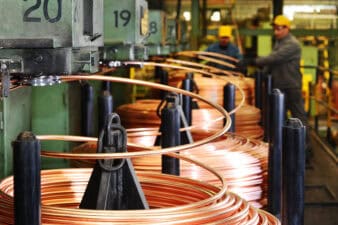
A similar phenomenon is occurring with copper, which generates around 40% of Teck’s gross profit.
As China’s insatiable appetite for the metal grew, miners and governments, especially those in emerging economies that are dependent on commodity exports, invested heavily in exploration and mine development. Global copper output grow by 2.6% between 2009 and 2015–almost double the rate of the previous eight years. This excess capacity continues to plague copper prices and, along with weaker demand, is the reason why they are at less than 50% of their 2011 peak.
Of greater concern is that industry insiders, including copper mining giant Freeport McMoran Inc., believe that the copper glut won’t end until 2017 at the earliest. This certainly doesn’t bode well for those miners, such as Teck, First Quantum and HudBay Minerals Inc., that are reliant on copper.
Then there’s China’s proclivity to take advantage of significantly weaker commodity prices in order to boost its inventories of key commodities, including steel, copper, and nickel. In recent months these inventories have grown strongly with no signs of this buildup slowing, thereby dampening demand and applying further pressure to prices.
So what?
It is difficult to understand the growing optimism surrounding commodities, especially steel-making coal and copper, with weak demand and a considerable supply overhang set to apply pressure to prices for some time to come. This doesn’t augur well for the growth prospects of coal and copper miners as the profitability of their operations is set to remain under tremendous pressure for the foreseeable future.