This article was first published by MyWallSt. MyWallSt makes it easy for you to pick winning stocks. Get a free trial today. It’s the best investment you’ll ever make.
Google parent Alphabet (NASDAQ: GOOGL) (NASDAQ: GOOG) announced in early November that it is acquiring the wearable technology company Fitbit (NYSE: FIT) in an all-cash deal worth $2.1 billion. While a lot of people are excited about where Google can take Fitbit with all of its available resources and expertise, others have major concerns.
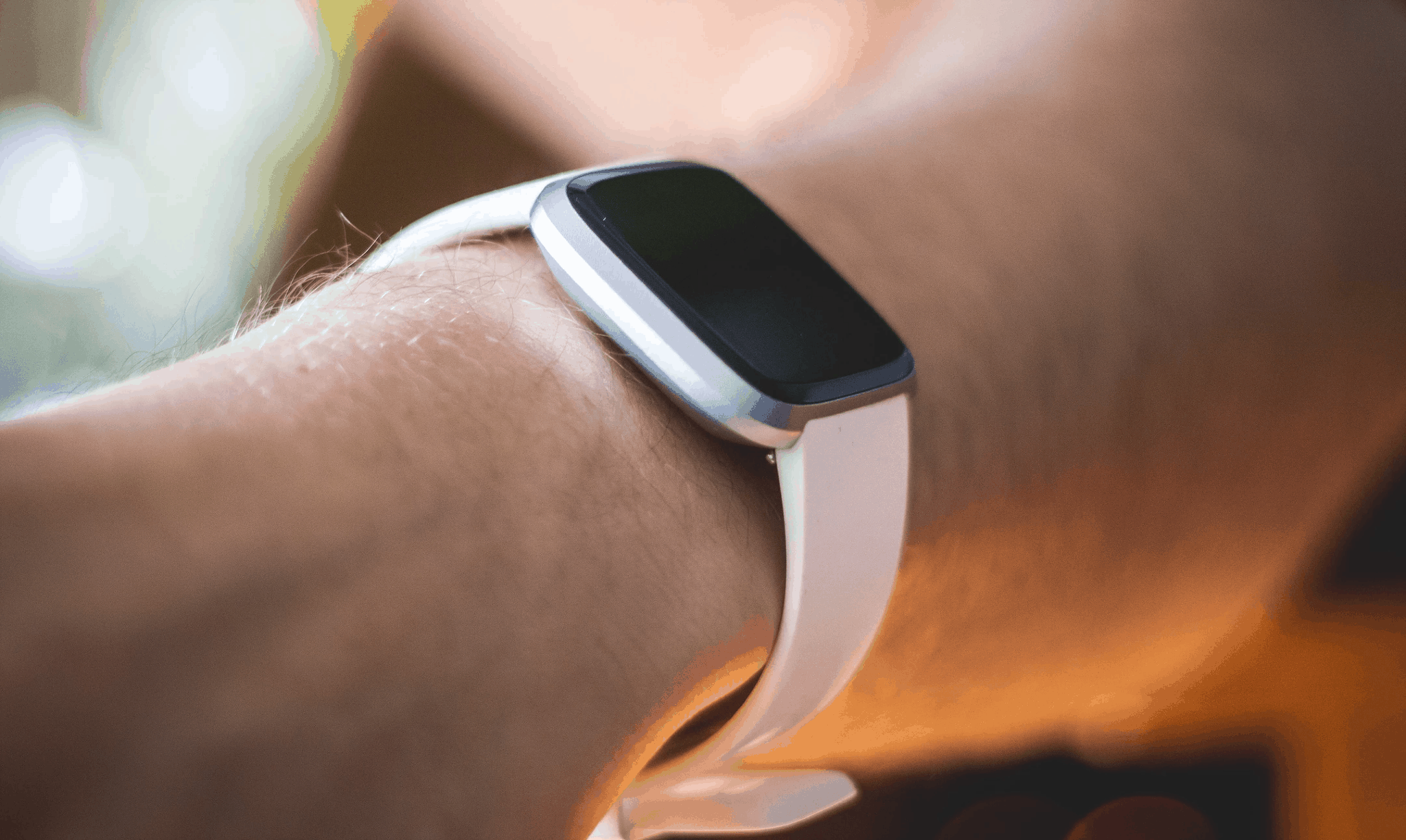
Why is this a good move for Google?
There has been a lot of talk in recent years about the potential in the wearables market. To date, smartwatches have been the only wearable technology that has really taken off. The likes of smart clothing, head-mounted displays, and implantable smart devices still have a long way to go before being a major part of most people’s lives.
The purchase of Fitbit gives Google an instant leg up in the wearables market where it has been lagging behind the likes of Apple and Samsung Electronics to date. Google will look to innovate further by working closely with the Fitbit team on enhancing the existing product line.
However, the major issue that is concerning a lot of people is the huge amount of data Google will now have access through after acquiring Fitbit.
The Fitbit devices have 28 million active users and they collate all sorts of personal data when people are going about their day and when they are asleep. Some of the standout info that Google will now have access to includes the number of steps a person takes, their heart rate, sleep stages, active minutes, each location the person goes when wearing the device, and access to all user records in the Fitbit life coaching service.
Alphabet shareholders should welcome this move if it gets clearance. The company will be gaining quick entry into the wearables market with a quality hardware product that has been tried and tested. The company can use its vast resources to make these Fitbit products a real force in the market once more.
The announcement of this acquisition was met with a 2% rise in Google’s stock price. Fitbit saw an even stronger response to the news with its stock price rising almost 41% initially, before dropping back to a 29% gain. The current buyout figure sits at $7.35 per Fitbit share.
Why are people worried?
Privacy of data is a major topic in this digital age. People are more concerned about the privacy of their data than ever before. Over the past decade, there have been numerous major data scandals that have caused people to be mistrustful of how big companies like Google and Facebook utilize the data of their users.
Google’s parent company, Alphabet, is currently being investigated by state and federal regulators in the U.S. for potential antitrust violations. The Labor Party in the U.K. is calling for this acquisition to be stopped, seeing the deal as being a “data grab” by Google.
Both Google and Fitbit have publicly stated since the announcement of this acquisition that Fitbit data will not be sold and it will not be used for Google ads. However, the companies have not publicly stated in what ways the data will be used. It was recently revealed that through its “Project Nightingale” Google gained access to millions of people’s personal health data from 21 states in the U.S.
Significant power placed in just a few hands
There is no denying that this buyout is related to getting access to valuable Fitbit data. Many people are concerned that if the likes of insurance companies get access to more in-depth data about people’s health they can use it to increase premiums or avoid paying out in the case of a claim.
People’s limitations and vulnerabilities become exposed when someone can view their health data.
The personal health tracking market is also now effectively in the hands of major tech companies: Google, Apple, Samsung, and leading companies in China. Having this important data in the hands of these parties is questionable.
This is why regulators will likely have to examine the Fitbit acquisition closely before giving it the green light. So many people already use Google goods and services that the regulators may have concerns that the company knows too much about people.
At the end of the day, those looking to buy wearable devices have to consider the trade-off of a company having a lot of data on them versus the value that the wearable technology provides.

Image source: MyWallSt.