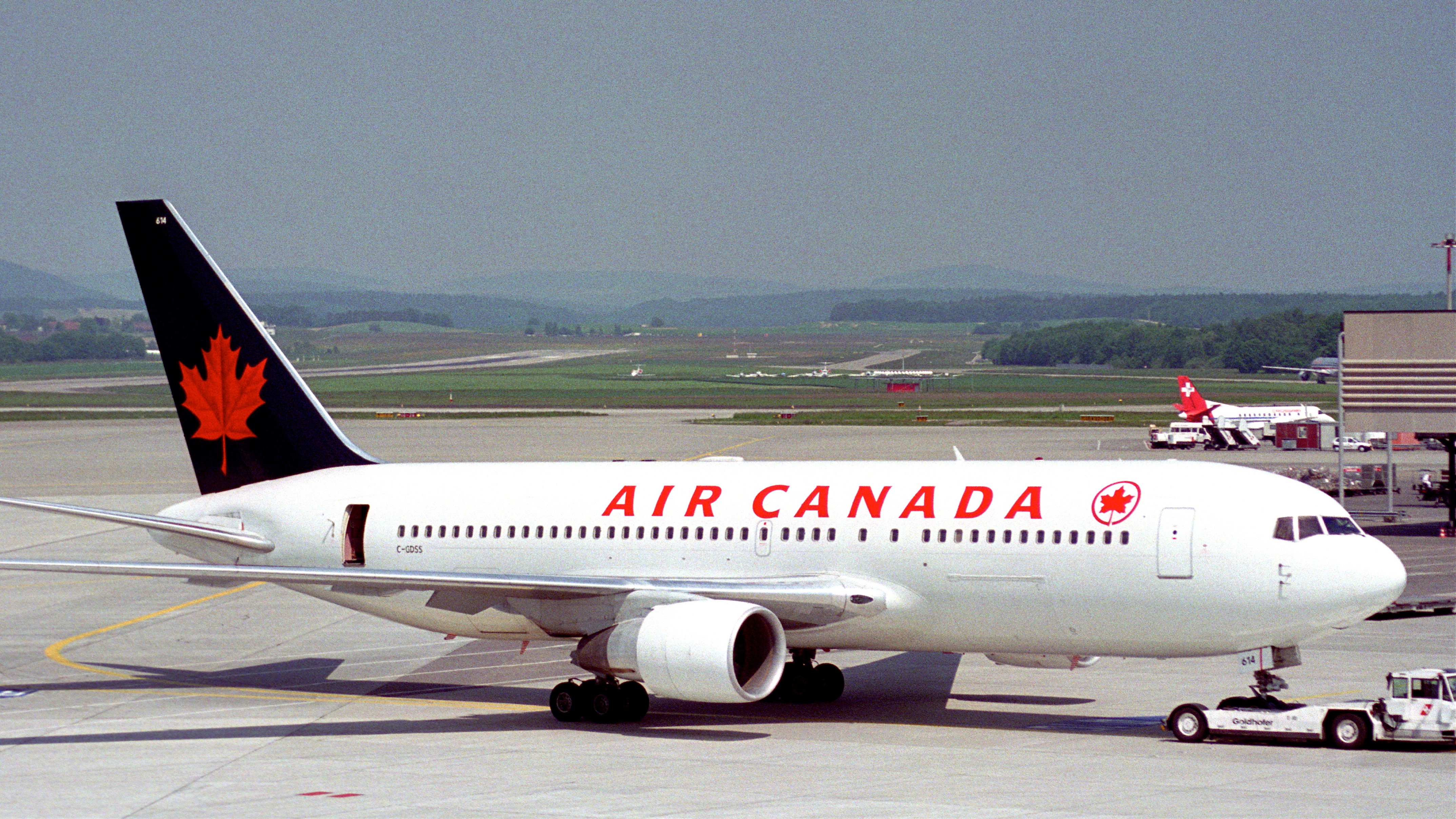
Be careful what you wish for, Air Canada (TSX:AC)(TSX:AC.B); it just might come true.
The Canadian Federal Government announced changes May 16 to the Canada Transportation Act (CTA) that address airline joint ventures, foreign ownership, and passengers’ Bill of Rights.
Transportation Minister Marc Garneau suggested the amendments to the CTA could be in place by the end of this year. Analysts welcomed the rules, suggesting they will help both Air Canada and its fiercest competitor WestJet Airlines Ltd. (TSX:WJA) expand into new markets.
“The increase of foreign ownership limits to 49% (from 25%) should provide improved access to international investors and global capital markets for Air Canada,” the company said in a statement. “The proposed amendments to the legislative provisions governing joint ventures in the airline industry should facilitate the opening up of new markets by Air Canada and its joint venture partners and accelerate projects that are currently under consideration.”
Air Canada is close to completing a joint-venture project with Air China Ltd. that would see the two airlines coordinate scheduling and pricing of flights between the two markets.
Two ways to view rules
Air Canada sees these new regulations as speeding up the approval process because if a joint venture, such as the one between itself and Air China, is beneficial to Canadian air passengers, Garneau and company will likely rubber stamp such a partnership.
I see things a little differently.
Before the rule changes, a joint-venture proposal was reviewed solely under the Competition Act. Now, the transport minister will have a say in whether these joint ventures receive the Federal Government’s blessing. To me, it seems like one more hoop to jump through.
As for the increase in foreign ownership from 25% to 49%, it cuts both ways. Sure, it means Air Canada can go out and get a deep-pocketed partner, like one of the major U.S. carriers whose market caps dwarf Air Canada’s, but it also means that smaller airlines can do the same.
Air Canada investors, however, can breathe a sigh of relief in that the rules also ensure that no individual foreign entity can own more than 25%. That means if Delta Air Lines is interested in Air Canada, it can’t take a 49% stake — only 25%.
Here come lower airfares
But for start-ups like Enerjet and Canada Jetlines, the new rules gives them a real shot in the arm.
“Canada is very fortunate to be serviced by two of the safest and most successful airlines in the world, yet remains one of but a few developed nations not to benefit from a discount airline,” said Tim Morgan, president of Indigo Partners, a Phoenix-based private equity firm involved with Enerjet.
With Enerjet and Canada Jetlines looking to deliver prices 30-40% lower, Air Canada and WestJet face another price war. Investors in both stocks had better hope oil prices don’t go much higher, or profits will go out the window.
Air Canada lost money in Q1
Fuel costs took what was a $101 million profit in Q1 2016 and turned it into a $37 million loss in the same quarter a year later thanks to a 48% increase in fuel costs.
With the changes in ownership rules, Air Canada faces increased competition at a time when its operating expenses are rising. Also, WestJet is bringing out an ultra-low cost carrier to compete with Enerjet, Canada Jetlines, and Air Canada Rouge.
Air Canada shouldn’t be so smug about its position within the Canadian marketplace. Shareholders ought to have second thoughts.