Positioning for Canada’s infrastructure boom doesn’t mean buying the most obvious mega-project headline and hoping for the best on the TSX today. It means finding companies that can benefit from more building, more maintenance, and more demand for steel, services, and support work as governments and private players spend on transport, energy, industrial sites, and public assets.
The sweet spot often sits with businesses that supply the boring but essential pieces, because those are the ones that can keep winning work even if the market mood shifts.
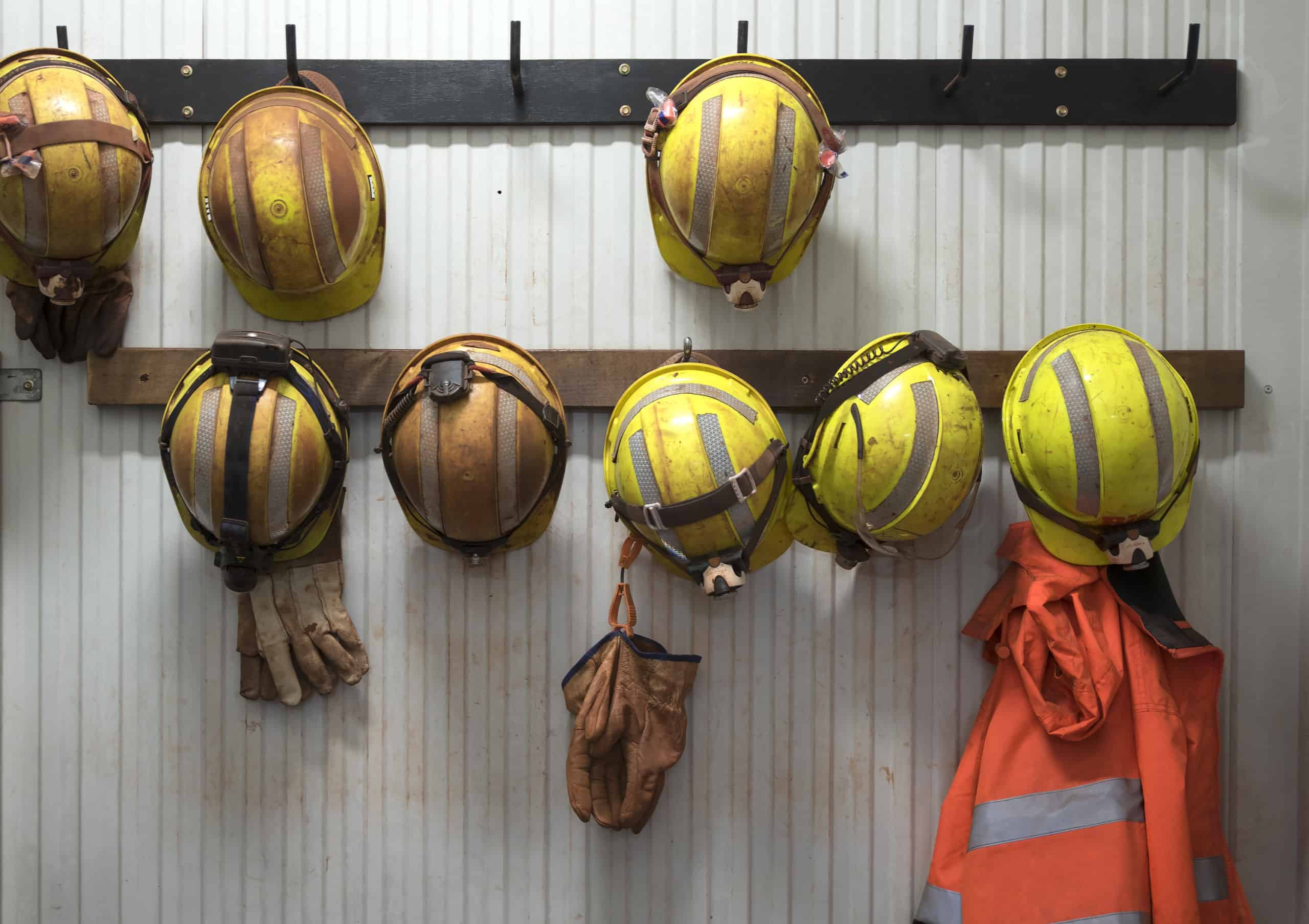
Source: Getty Images
DRX
ADF Group (TSX: DRX) fabricates and coats steel superstructures used in commercial, industrial, and infrastructure projects across Canada and the United States. Over the last year, it completed the acquisition of Groupe LAR and then announced another $157.3 million in new contracts in April, adding to a record backlog. That gives ADF a visible pipeline of work at a time when investors want proof, not just a story on the TSX today.
The latest annual results were softer, but not weak enough to kill the case. For the fiscal year ended Jan. 31, 2026, revenue came in at $258.7 million, down from $339.6 million, while adjusted earnings before interest, taxes, depreciation and amortization (EBITDA) fell to $43.5 million from $91.3 million and net income dropped to $26.3 million, or $0.93 per share.
Tariffs hurt margins, and that’s the clear risk here. Still, backlog hit a record $561.1 million, up from $293.1 million a year earlier, with 57% tied to Canadian contracts. With the stock up roughly 54% over the last year on the TSX today, investors seem to be looking past the dip and toward the workload ahead.
DXT
Dexterra (TSX: DXT) is the cleanest fit of these two on the TSX today. It provides support services, facilities management, and workforce accommodation tied to infrastructure creation, management, and operation in Canada. That makes it a practical way to invest in the buildout without betting on one single project. Over the last year, Dexterra also bought Right Choice Camps and Catering, which added to its support-services footprint, and it recently set its Q1 2026 reporting date, keeping investor attention on near-term momentum.
The financials look solid. Dexterra reported 2025 revenue of $1 billion, up 3.8%, while adjusted EBITDA rose 16.1% to $113.8 million and earnings jumped to $40.5 million. Q4 revenue increased 9.3% to $271 million. The stock traded around $11.73 on the TSX today, giving it a market cap of about $733 million, and analyst estimates show expected sales growth this year as well.
It’s not flashy, but that may be the appeal. If Canada’s infrastructure boom really is closer than many think, Dexterra looks like the kind of steady operator that could quietly win.
Bottom line
If I were positioning now, I would want one name with direct project leverage, one with support-services exposure, and one with a healthy dose of caution. ADF offers backlog and torque. Dexterra offers steadier execution. The bigger point is simple: the infrastructure boom does not need to fully arrive before the right stocks start moving.