Why Pretium Resources Shares Got Pummeled

Is this meaningful? Or just another movement?

The Motley Fool

Although we don’t believe in timing the market or panicking over market movements, we do like to keep an eye on big changes — just in case they’re material to our investing thesis.

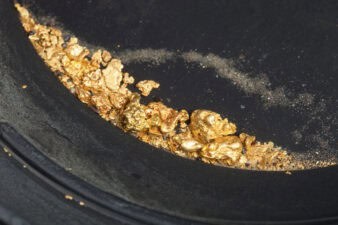
What: Shares of precious metals explorer Pretium Resources (TSX: PVG) plunged a whopping 27% today after Strathcona Mineral Services, which the company had engaged as independent consultant on its Valley of the Kings Bulk Sample Program, resigned from the project.

So what: Pretium didn’t disclose the reason for resignation, but RBC analyst Dan Rollins believes that it all stems from a disagreement between Strathcona and another industry consultant, Snowden Mining, over sampling methods. Although Pretium said that processing is proceeding as planned, Strathcona’s resignation raises plenty of uncertainty among investors over the project’s true potential.

Now what: According to Pretium, things at Valley of the Kings remain right on track. “The processing of the excavated 10,000 tonnes is proceeding as planned at a rate of approximately 1,000 tonnes per week to produce gold/silver gravity and flotation concentrates,” Pretium said in a statement. “Independent Qualified Persons from Snowden are responsible for the review and sign-off of the milling and processing component of the Program, and will issue a final report on its completion.” So while Pretium is probably far too risky for average investors, resource-savvy bargain hunters might want to look into today’s big dip as a possible opportunity.

Looking for more expert advice?

The Motley Fool Canada’s senior investment analyst just unveiled his top two stock ideas for new money now. And YOU can be one of the first to read his buy reports — just click here for all the details.

Fool contributor Brian Pacampara does not own shares of any companies mentioned.  The Motley Fool does not shares in any of the companies mentioned.

More on Investing

Concept of multiple streams of income
Dividend Stocks

Passive Income: How Much Do You Need to Invest to Make $400 Per Month?

This fund's fixed $0.10-per-share monthly payout makes passive-income math easy.

Read more »

traffic signal shows red light
Investing

The Red Flags The CRA Is Watching for Every TFSA Holder

Here are important red flags to be careful about when investing in a Tax-Free Savings Account to avoid the watchful…

Read more »

senior couple looks at investing statements
Retirement

Canadian Retirees: 2 High-Yield Dividend Stocks to Buy and Hold Forever

Add these two TSX dividend stocks to your self-directed Tax-Free Savings Account portfolio to generate tax-free income in your retirement.

Read more »

Farmer smiles near cannabis crop
Cannabis Stocks

Can Canopy Growth Stock Finally Recover in 2026, as Donald Trump Might Ease Cannabis Restrictions?

Down over 99% from all-time highs, Canopy Growth stock might recover in 2026 if the Trump administration reclassifies cannabis products.

Read more »

Retirees sip their morning coffee outside.
Retirement

Retirees: 2 High-Yielding Dividend Stocks for Solid TFSA Income

Do you want tax-free, predictable retirement income? These two high‑yield mortgage lenders can deliver monthly dividends that quietly compound inside…

Read more »

Business success of growth metaverse finance and investment profit graph concept or development analysis progress chart on financial market achievement strategy background with increase hand diagram
Dividend Stocks

2 Dividend Growth Stocks Look Like Standout Buys as the Market Keeps Surging

Enbridge (TSX:ENB) stock and another standout name to watch closely in the new year.

Read more »

voice-recognition-talking-to-a-smartphone
Dividend Stocks

How to Turn Losing TSX Telecom Stock Picks Into Tax Savings

Telecom stocks could be a good tax-loss harvesting candidate for year-end.

Read more »

Person holds banknotes of Canadian dollars
Bank Stocks

Yield vs Returns: Why You Shouldn’t Prioritize Dividends That Much

The Toronto-Dominion Bank (TSX:TD) has a high yield, but most of its return has come from capital gains.

Read more »