Even after all the technological improvements we’ve seen over the years, it’s amazing to think of how just about every industry in Canada can be usurped by a new, better way of doing things.
One sector that has remained relatively untouched for years has been Canada’s power generators. Sure, we’ve moved slowly and steadily away from generating power from burning coal–with the notable exception of Alberta, which has only recently announced a plan to rid itself of the dirty fuel–but other than that, the process hasn’t changed much.
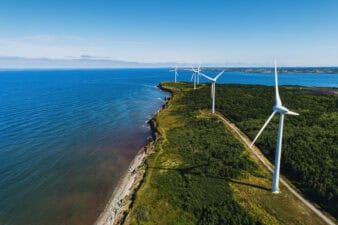
Many coal-fired plants have been replaced by ones that burn natural gas–a much cleaner fuel. And hydroelectric dams continue to use essentially the same methods as always. Solar and wind power is starting to gain momentum, but they have a long way to go before they’ll replace traditional methods of generating power.
Besides, the option exists for consumers to bypass the traditional power grid completely by using a rooftop solar system combined with batteries for all their power needs. Such systems are expensive now but will soon be more affordable as the technology continues to improve.
It’s obvious such a trend is coming. Will it hurt power operators such as Fortis Inc. (TSX: FTS) or TransAlta Corporation (TSX: TA)(NYSE: TAC)? Let’s take a closer look.
The issues for producers
Many consumers don’t mind paying for power. What they do mind is the charges they pay for the distribution of the power.
If you look at your power bill, there are several line items that add up to some $50 per month before you even pay for power. These are things like administration fees, distribution charges, local access fees, and transmission charges. Many customers absolutely hate paying these charges, feeling like they’re being ripped off.
They have a point. Sure, somebody has to pay for power lines to be maintained. But many of those charges are simply a way for the billing company to make money. The billing company buys power off the producer, reselling it to customers. If we cut the middleman out of that equation, it would equal lower costs to consumers–in theory, anyway.
If customers were able to generate their own power and avoid using the grid completely, this would give them an easy way to avoid these power distribution charges. It would also lessen demand for electricity from traditional power plants.
Will it happen?
When it comes to this potential trend, investors have to ask themselves a few questions.
Firstly, we have to figure out how likely it is to happen. While the technology does look promising, there’s little indication that rooftop solar systems are about to take off in a big way in the next few years. Sure, solar panels and batteries are constantly getting better and cheaper, but at this point I just don’t see a revolution sweeping across our country.
There are a couple more important reasons why Canadians aren’t rushing out to do this. Our cold climate is one, and the other is that many of us simply can’t afford it. Younger people have to stretch to buy houses in many cities because they’re so expensive. They can’t afford the five-figure bill for a rooftop solar system on top of that.
The bottom line is pretty simple. Power producers will be the ones that get aggressively into the solar and wind power business. They have the capital to do so, and economies of scale will let them do it profitably. This isn’t to say rooftop solar systems won’t continue to be sold, because it’s likely that trend will accelerate, too. I just don’t envision it being big enough to really affect Canada’s major power producers–at least anytime soon.
Fortis and TransAlta have their own problems, TransAlta especially. Rooftop solar systems aren’t one of them, at least for now.