



Canada’s telecoms are some of the best investments to add to your portfolio. Between our increasingly “always connected” lifestyle, highly regulated market, and higher rates (over the U.S. and countries in Europe), this creates a perfect storm for telecoms to thrive in. The connected lifestyle is a primary reason behind a fourth telecom emerging as a serious wireless contender.
But which of Canada’s two largest telecoms should you invest in? Let’s look at the case for the two largest telecoms, Rogers Communications Inc. (TSX: RCI.B)(NYSE: RCI) and BCE Inc. (TSX: BCE)(NYSE: BCE).
The case for BCE
BCE is the largest and most well known of the telecoms, offering coast-to-coast coverage for wireless, wireline, internet, and TV services. While those core subscription services encompass the bulk of BCE’s revenue, there is another often-neglected point worth noting with respect to this telecom behemoth: BCE is everywhere.
BCE has an impressive media arm that includes radio and TV stations, home security monitoring, and even professional sports teams. Chances are that over the course of the day, you have texted, emailed, streamed, or consumed some form of content that was on or sent across BCE’s network.
BCE is one of a small handful of companies that has been paying a dividend for well over a century. The current quarterly dividend provides an extremely impressive 5.69% yield. The dividend was last hiked earlier this year, and BCE has an established precedent of annual hikes of at least 55 that now spans back over a decade.
It’s worth noting that over the past three months, the stock has retreated by over 8%, which partially explains the higher-than-expected yield, but it also portrays the stock as a discounted pick worthy of consideration.
Once often-cited criticism of BCE is that as a mainly defensive stock, there are few growth options for investors. This couldn’t be further from the truth; over the past two years, BCE has completed acquisitions for Manitoba Telecom Services and home security and monitoring leader AlarmForce.
The former allowed BCE to shore up its subscribers and presence in Manitoba, while the latter introduced a new cross-selling opportunity in a growing field that leverages BCE’s internet subscription service. Both are set to fuel growth at BCE for the next several years.
The case for Rogers
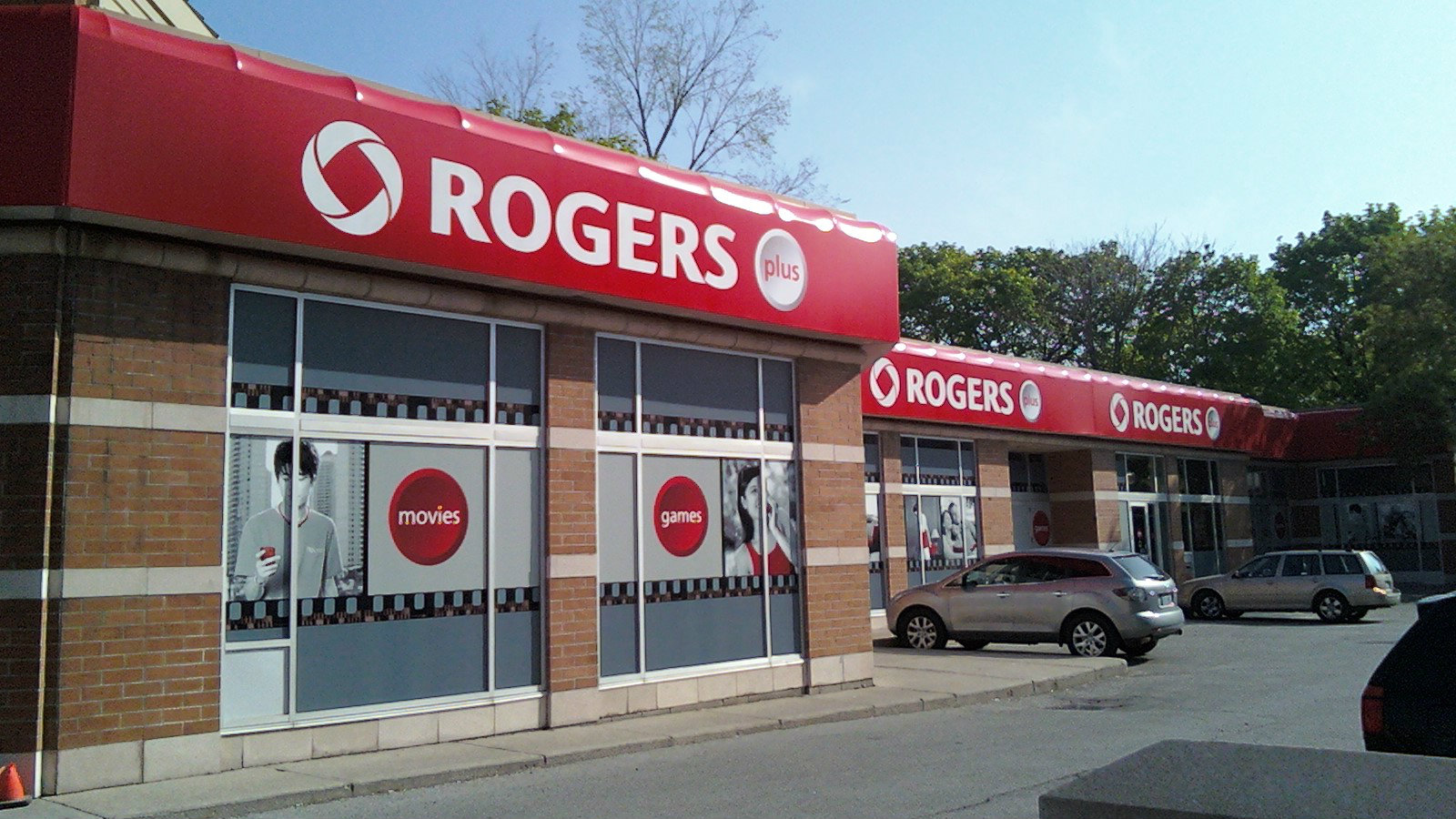
Rogers is very similar to BCE in terms of offerings, investments, and coverage area. The company has similar investments across the media sector and, ironically, owns part of the same professional sports teams as BCE. In many ways, the companies appear almost identical on paper.
So, where does Rogers differentiate itself?
Rogers has placed an emphasis in recent years on improving customer service and growing its mobile base, which the company correctly views as a primary driver of growth for the future.
We are increasingly becoming more connected, doing more of our transactions online and using more data with each passing month. Experts have shown that our data usage doubles every year, as new apps are released, and those newly released devices offer more capabilities than ever before, which is a huge opportunity for a telecom.
Rogers announced quarterly results this week that showcased the immense potential of a strong mobile segment. The mobile segment realized an impressive 95,000 new postpaid subscribers in the quarter, surpassing the 65,000 subscribers added in the same quarter last year. The wireless segment constituted more than half of the revenue that Rogers earned in the quarter, coming in 9% higher at $2.19 billion.
The other interesting development is that Rogers reduced churn in the most recent quarter, which came in at just 1.13%.
In terms of a dividend, Rogers offers a quarterly dividend that pays a yield of 3.31%, which has steadily risen over the years.
Which is the better investment?
Both companies offer compelling cases as a better investment, and the decision may ultimately rest with the objectives of each investor.
Those investors seeking long-term growth over income may be better served through Rogers’s aggressive growth, whereas investors looking primarily for an income-producing investment will be better served by BCE’s impressive yield and long payout history.






