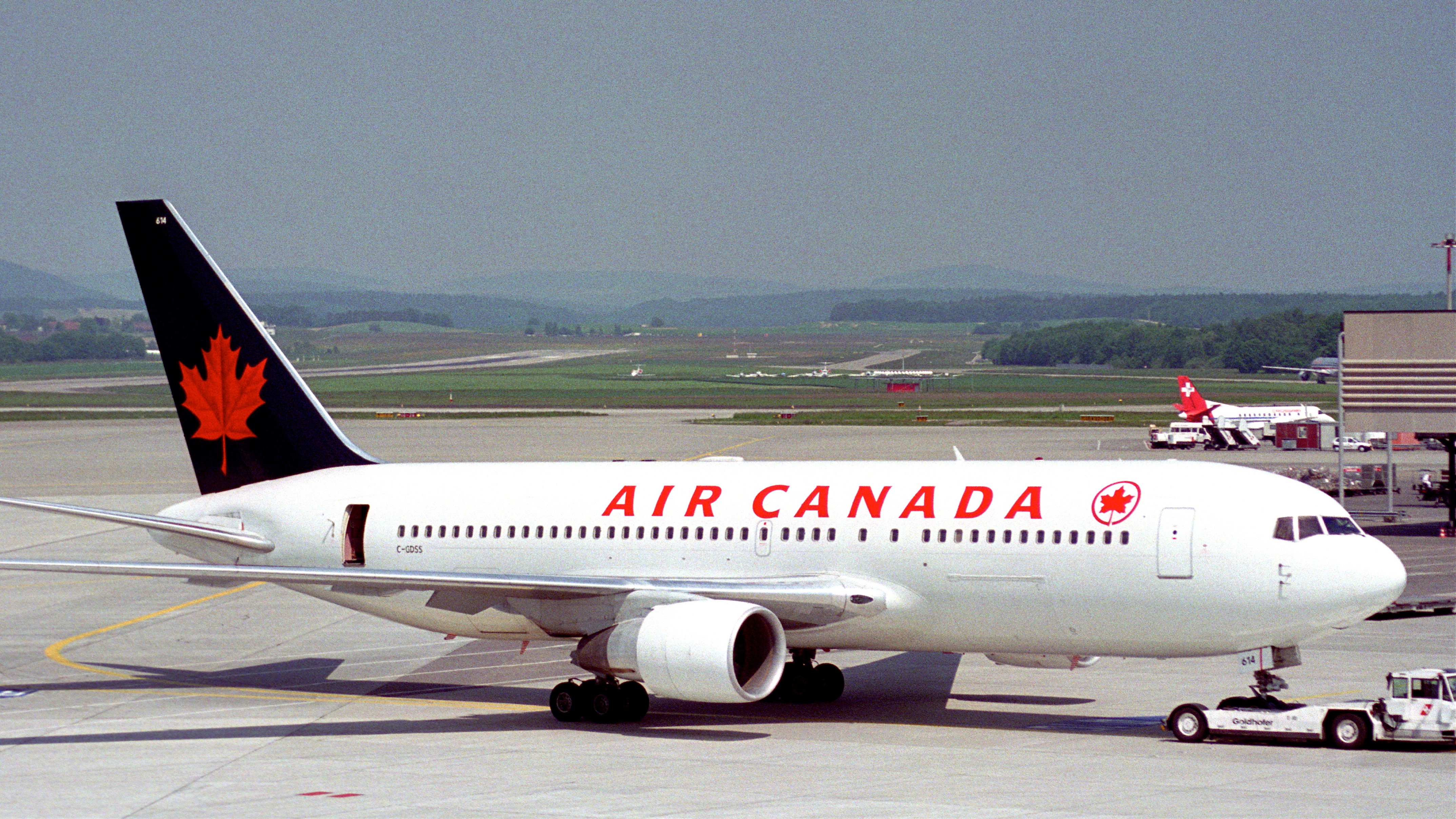
A few weeks ago, Air Canada (TSX:AC)(TSX:AC.B) announced results for the second fiscal quarter of 2018. While the results were solid, that didn’t stop some from speculating about whether Air Canada would remain the great investment that it has been for the past few years.
Year to date the stock has appreciated just under 4%, but over the longer term, Air Canada has proven to be one of the best investments on the market. Over the past two years, Air Canada’s stock has soared over 200%, and looking out over the course of the past five years shows an incredible gain of over 860%.
Taking that incredible growth into consideration, you might see why the recent anemic gains of the company have some investors questioning their long-term investment priorities.
Let’s take a look why the stock is down, and if this is a temporary lull or the new norm for Air Canada and, by extension, the airline industry as a whole.
Q2 by the numbers
In the most recent quarter, Air Canada reported EBITDAR of $646 million, which fell short of the $681 million reported in the same quarter last year. Operating income for the quarter, which amounted to $226 million, also came in short over the $292 million reported in the same quarter last year.
On a GAAP basis, the company posted a loss of $71 million in the quarter before taxes compared to the $314 million in income before taxes reported in the same period last year.
The news wasn’t all negative, though. Passenger revenues increased to a record $3.921 billion, and passenger revenue per available seat mile saw an increase of 2.7% over the prior period, while also delivering a 1% decrease in adjusted cost per available seat mile. Throughout the quarter, Air Canada jets were, on average, 83.1% full.
Much of the added costs in the quarter came as a result of fuel prices, which witnessed a 31% hike over the first two fiscal quarters of the year.
To put it another way, while the environment has grown more challenging when compared with 2017, Air Canada continued to make progress in the quarter and still expects to see out the fiscal year with a positive cash flow that falls within $350-500 million.
What about Aeroplan?
One of the big news pieces that have likely contributed to Air Canada’s stock price volatility recently was the posturing and then eventual acquisition of Aeroplan. The $450 million deal, which followed a smaller offer that was rejected last month, is expected to close later this year and includes three other companies that will all assume liability for Aeroplan Miles, which is approximately $1.9 billion.
Air Canada sold off Aeroplan as a separate entity back in 2002, before it was acquired by Aimia. Interestingly enough, while Aeroplan was conceived as the rewards program for Air Canada, the program has expanded beyond just flight benefits over the years. This latest transaction will bring the rewards program back under Air Canada, which was contemplating creating a new rewards program.
This latest deal will help add some stability for rewards-yielding consumers who were likely wondering what would happen with their accumulated miles when the current agreement expired in 2020.
The flip side of this is that with Air Canada in control, more stringent redemption criteria and rules relating to the transferring of points will likely be put in place
Should you buy Air Canada?
There are a lot of reasons to consider Air Canada, such as its stellar growth prospects, but at the same time, investors should take into consideration that the airline sector is historically very much tied to the health of the market, with travel typically being one of the first things cut when the economy begins to slow.
Ultimately, it may come down to your tolerance for risk. The opportunity for growth is there, but it may not be as strong as it was last year and will likely be even weaker in a few quarters as prices continue to climb, the market begins to cool, and fuel prices soar.