The fact that Warren Buffett has been largely quiet with his stock purchases has been troubling. Even during the market crash over a month ago, the Oracle didn’t do much in the way of purchasing. In fact, he seems to be content letting his cash pile grow. Could this mean he thinks that another pullback is imminent? If so, where does that leave investors like us who have slightly less money to put into the markets? Should we buy stocks today?
I think that whether or not we should buy stocks at this time depends on two major factors. The first is our time horizon, and the second is our market exposure. When we consider these two separate concepts in regards to our own lives, it will give us a better idea of whether or not to invest.
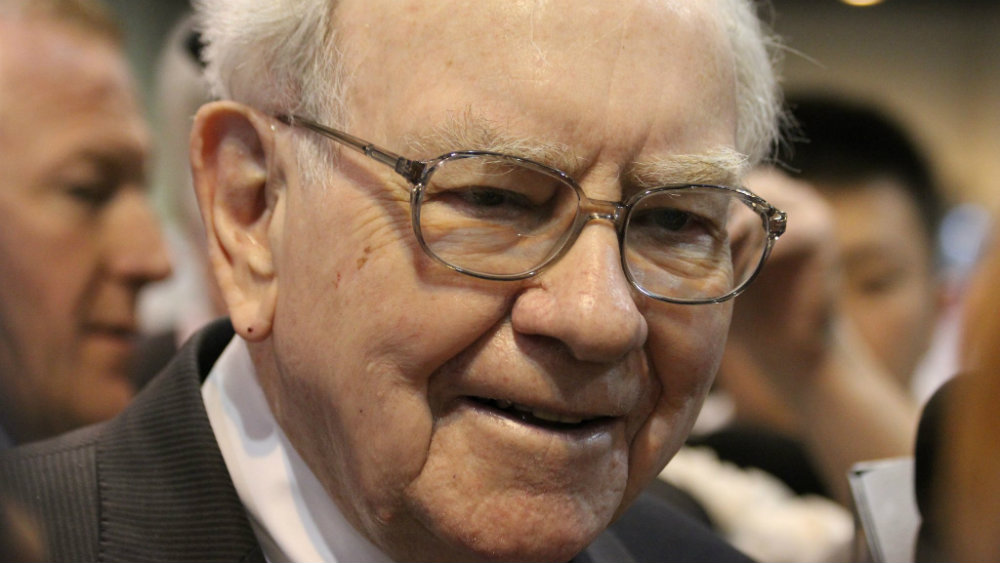
Image source: The Motley Fool
Time horizon
If you are in your 20s, 30s, or 40s, it makes sense to put money to work in the market. You are especially fortunate if you are investing in Canadian stocks since most stocks in the Canadian stock market have not had a huge run this year and are still trading at reasonable valuations. Even if you decide to choose a pricier stock, over the long term, you are likely to do quite well. Should you pick one with a good balance sheet and the potential for growth?
Take a technology stock like Enghouse Systems (TSX: ENGH) for example. This company has been growing at a pretty healthy clip for years and looks poised to continue to do so in the future. The software solutions provider serves a number of industries, such as telecommunications and gas utilities, selling them software to optimize their operations.
The most important aspect of its business in the current economic climate is its balance sheet and its operational strength. Enghouse has millions of dollars in cash and essentially no debt. It has the ability to outlast the crisis. The strong financial position will support the small 0.9% dividend, support the business, and position it for opportunistic acquisitions.
Furthermore, its operations are software based, so it is well positioned to keep its business functioning during the lockdown. Even though some of its customers may suffer, it should be able to ride out the crisis.
Invested capital
If your time horizon is long enough, you can ride out a crisis in a good company like Enghouse. Next, you should consider how much capital you have invested. A company like Enghouse is expensive, currently trading at 44 times forward earnings and a price to book of about 7.84. This means that the stock price could be in for a shock, especially as it is trading at all-time highs.
If you have a lot of cash to invest, you can take a chance on a solid company like this. If the stock falls, you can buy some more. If you already have a lot of your money in the stock market, however, it might be best to stay away.
Remember, you want to keep your personal balance sheet strong. That means having a lot of cash available on hand. If things get really tough, you might be forced to sell stocks to make ends meet. That might mean selling a company like Enghouse at the worst possible time. Be prudent, and don’t overinvest.
The bottom line
Warren Buffett may not be buying, but that doesn’t mean you can’t. We are not Buffett. It is impossible to know why he is doing what he is doing. For all we know, he might be waiting for the perfect time to buy an entire company he wants with that cash.
If you have a lot of cash to invest and have a significant timeline, you can certainly take a chance on a stock with a solid balance sheet and excellent growth prospects like Enghouse. If your time horizon is short, though, and you think you already have a lot of your cash tied up in stocks, you might want to stay away.