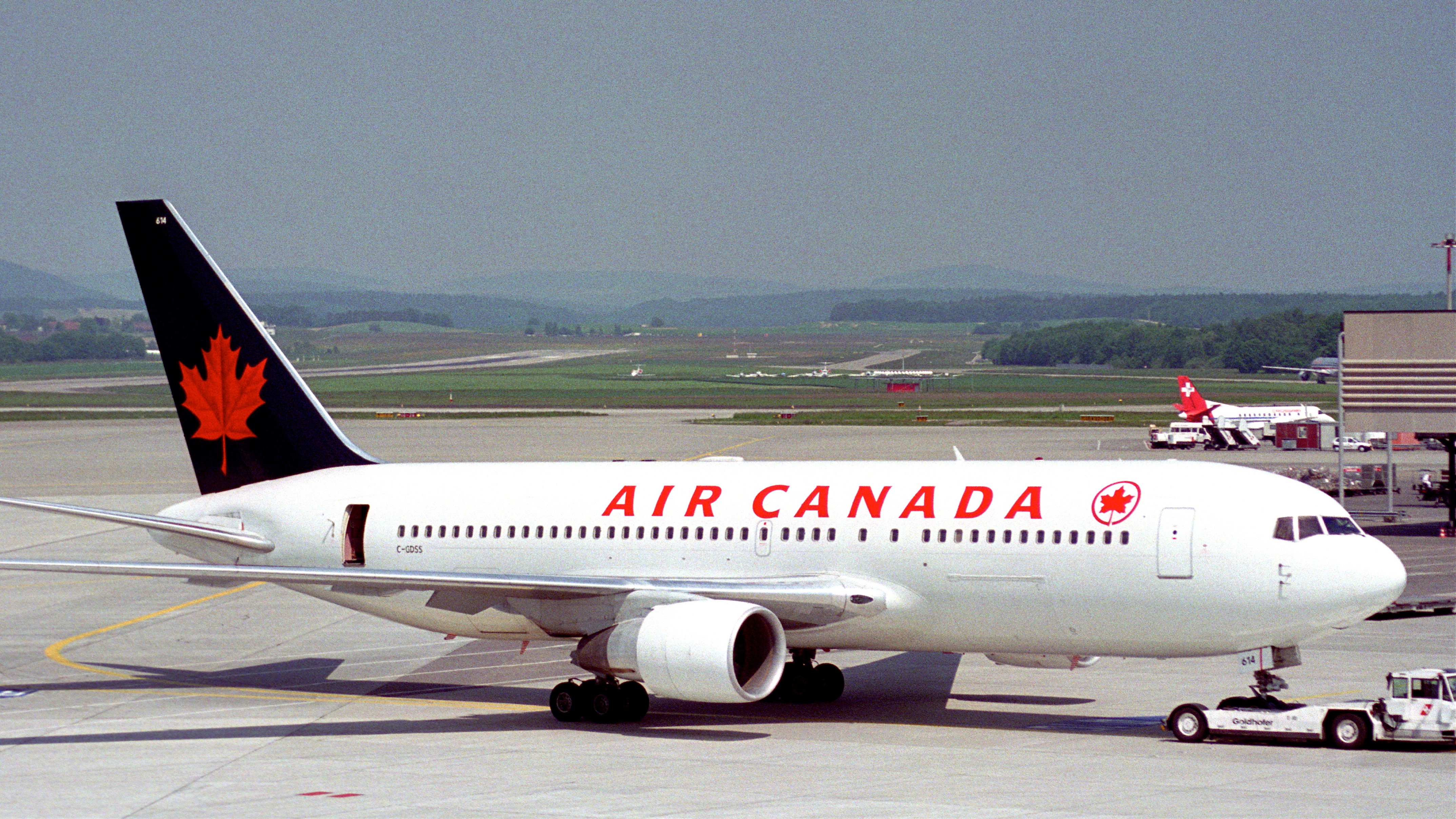
With rising interest rates, many investors are looking for opportunities to add more profitable investments to their portfolios. Although there are certain investments that will become more profitable as interest rates increase, there are other investments in which investors will make a profit by either selling today, shorting the stock, or potentially entering a long/short trade with two companies in the same industry. Case in point: Air Canada (TSX:AC)(TSX:AC.B).
Shares of the airline are currently trading at a price of almost $24, which is essentially the company’s 52-week high. Although Air Canada does not pay a dividend, investors have not been deterred from sticking with this name as consumers and businesses alike have been steadily increasing their travel plans amid lower fuel costs and low interest rates.
Although shares of Air Canada trade near an eight times price-to-earnings multiple, it is important to note that many middle-class consumers can oftentimes only afford to travel during certain periods of the economic cycle. Currently eight years removed from the past recession, many Canadians have been working hard and are collectively able to afford to travel much more today than approximately five years ago.
The lower fuel prices have not only had the effect of making flying more affordable to consumers but have also put more money into the pockets of many middle-class Canadians. Compounding the increase in disposable income from lower oil prices, lower interest rates have made it much easier for Canadians to go overboard when travelling. A little debt is no longer anything to be concerned about as the cost to borrow is really quite minimal.
Air Canada has approximately $6 billion of long-term debt, while the current market capitalization is no more than $6.5 billion. With a current capital structure which is approximately half equity and half debt, the increase in interest will act as a drag on profitability over the long run. When comparing Air Canada to competitor WestJet Airlines Ltd. (TSX:WJA), only one of the competitors has an appropriate capital structure.
Currently paying a quarterly dividend of $0.14 per share per quarter, investors in WestJet are receiving a dividend yield of 2.15% to stay patient. The company, which has made much more consistent quarterly earnings than Air Canada, has a debt load of $1.9 billion and market capitalization of $3 billion. With a split closer to 40% debt and 60% equity, the company is in a much better position to navigate higher interest rates and keep investors happy.
For investors looking to minimize risk, owning shares of WestJet while shorting shares of Air Canada will offer investors the opportunity to receive dividends from the long while not having to cover dividends (for the short sell). Aggressive investors can also consider an outright short sell of Air Canada, in which case a crash would be a good thing!