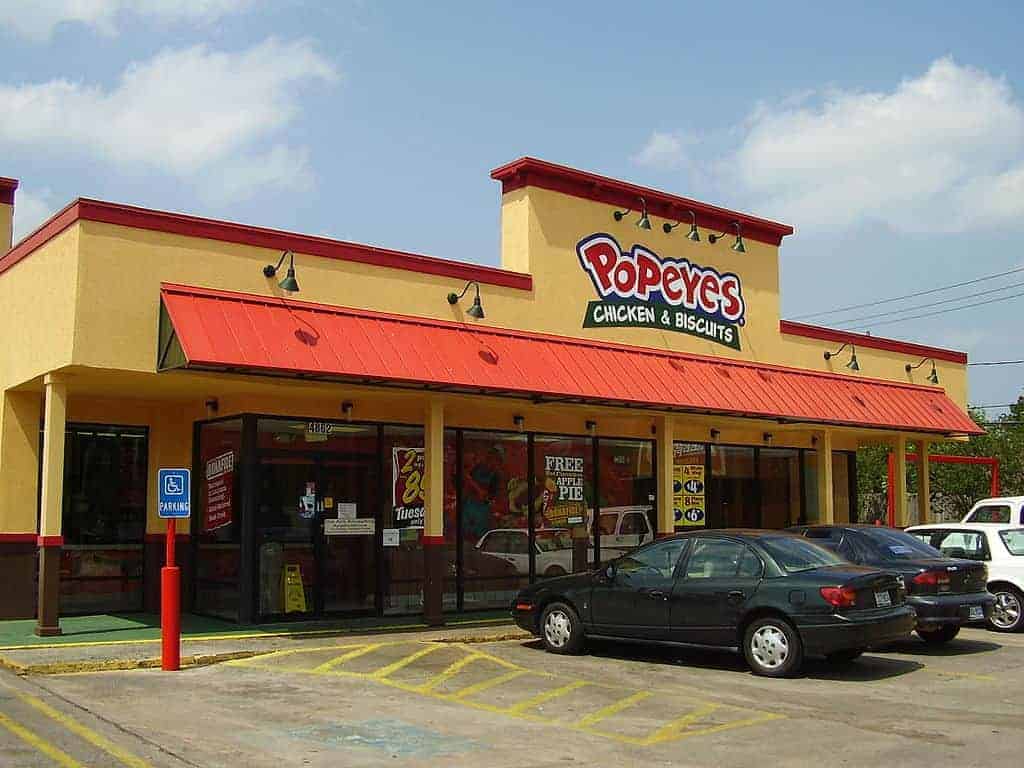
Shares of Restaurant Brands International Inc. (TSX: QSR)(NYSE: QSR) plunged 2.5% following the release of its Q3 2017 results, despite topping analyst expectations on the earnings front and meeting expectations on revenue. Restaurant Brands also announced a dividend raise following the release of solid numbers from both Tim Hortons and Burger King; however, the general public was underwhelmed with the results from the newly acquired Popeyes Louisiana Kitchen, which saw comparable sales decrease by 1.8%
A solid third quarter for QSR with BK leading the way
Restaurant Brands clocked in revenue of $1.21 billion, which is up from $1.075 billion during the same period last year. Adjusted diluted EPS was at $0.58, which is up from $0.43 on a year-over-year basis, beating the street consensus by $0.09.
Comparable sales grew at Tim Hortons and Burger King by 0.3%, and 3.6%, respectively, while Popeyes Louisiana Kitchen saw comps decline 1.8%. Burger King saw a whopping 11.2% increase in system-wide sales, with Tim Hortons and Popeyes Louisiana Kitchen experiencing modest growth of 3%, and 4.5%, respectively.
Dividend raise? Yes, please!
Management also announced dividends of $0.21 per common share, which brings the current dividend yield just north of the 1% mark. While the dividend may not seem like much, it’s important to note that Restaurant Brands is a growth stock whose dividend should be treated as a bonus. I believe the company could put the cash to better use, especially considering that the company is firing on all cylinders.
Comps at Tim Hortons were nothing to write home about, but I believe the strength at Burger King was more than enough to offset the sub-par results from Tim Hortons and Popeyes, but clearly, the Street expected more.
I believe the post-earnings sell-off was unwarranted, especially considering the company hasn’t really had a chance to bring out the best in Popeyes. It’s going to take more time for Restaurant Brands to make meaningful long-term improvements to the company’s cost structure to accelerate earnings growth.
Is the heavy debt load and slowing comps a cause for concern?
Restaurant Brands increased its debt by 34% to $11.3 billion in the third quarter, which is ringing alarm bells in the ears of some investors; however, as a shareholder, I’m not worried in the slightest, because I believe cash flow will accelerate as the company expands and increases comps gradually over time. The company owns three premier fast-food names that won’t be kept down for a long period.
Many investors are worried about the sub-par quarter-to-quarter numbers from Tim Hortons and Popeyes, but I believe the general public is jumping to conclusions based on short-term results. One or two mediocre quarters doesn’t necessarily mean that a brand is on the downtrend.
Bottom line
The general public isn’t pleased with the growth numbers from Tim Hortons or Popeyes for the quarter, but over time, I believe these two brands will eventually see stronger growth numbers experienced by Burger King, as management gradually unlocks the potential behind both promising brands.
The growth ceiling is ridiculously high and has the potential to be raised should the company pull the trigger on another acquisition. Growth at Restaurant Brands is far from saturated; in fact, the sky is the limit as the company takes over the fast-food space one chain at a time.
Should the post-earnings sell-off continue, I’d treat it as a long-term buying opportunity. Be patient with the company, and eventually, I believe we’ll see strength across all three brands, which would send shares into the stratosphere.
Stay smart. Stay hungry. Stay Foolish.