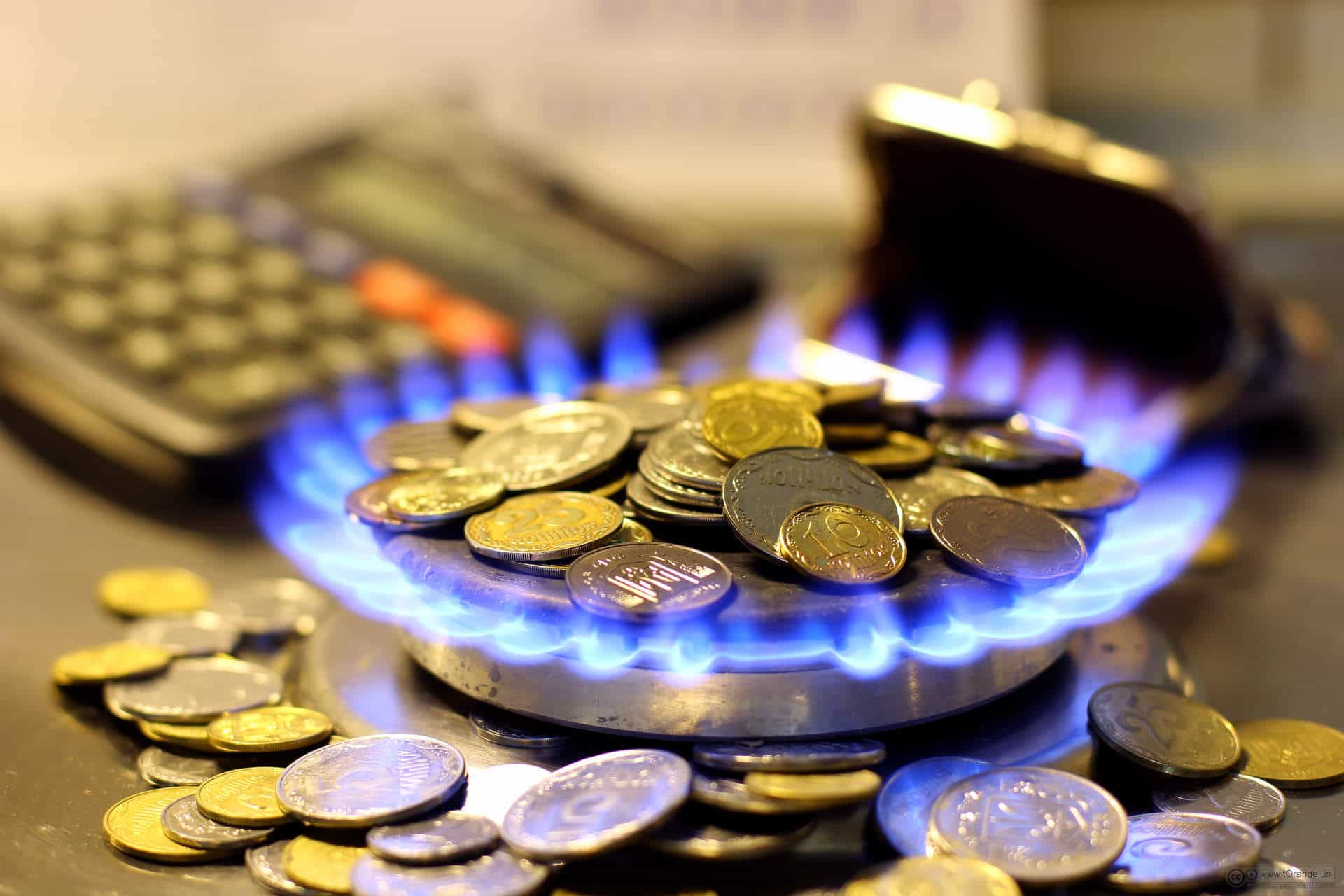
After bright spot earlier this year, when the prolonged slump in natural gas appeared to be over, the fossil fuel has plunged once again, falling below the US$3 per million British thermal units (mmBtu) mark. While some analysts are upbeat about the outlook for natural gas, many others are more pessimistic about what the future holds for the fossil fuel. This is not good news for upstream natural gas producers such as Painted Pony Energy Ltd. (TSX:PONY), which have been battered by the ongoing slump in natural gas.
Now what?
Determining what the future holds for natural gas is extremely difficult. There are a range of positive and negative signals. Consumption of the fuel is growing at a rapid clip, driven by growing industrial usage and the rising demand for gas-fired power generation.
Natural gas is used by the North American industrial sector as both a fuel and feedstock. Because of Trump’s fiscal stimulus, the tempo of activity in U.S. industry is growing at a steady pace. This will be enhanced by the tariffs the Trump administration has slapped on imported steel and aluminum from Canada, Mexico, the European Union, and China. It is hoped these will reinvigorate the U.S. steel and aluminum industries, which should lift consumption of natural gas. This is because the key industrial consumers of the fuel natural gas are the metals, glass, chemical, and petroleum refining industries.
Growing demand for gas-fired electricity is also a powerful tailwind for growing consumption of the fuel.
You see, natural gas has become the transitional fuel of choice for power generation, as many nations, including Canada, move to reduce carbon emissions by phasing out coal-fired electricity. This is because, according to the U.S. Energy Information Administration (EIA), natural gas has roughly half the carbon emissions of coal.
The intermittent nature of wind and solar power as well as the impact of poor hydrology on the generating capacity of hydro-power has cemented the place of gas-fired electricity in the global energy mix. This is because gas-fired plants provide an important source of base-load power, which many renewable sources are incapable of providing.
The EIA has forecast that natural gas will remain the primary fuel for U.S. electricity production for the next two years, and that the share of electricity provided by gas-fired plants will grow by 2% by the end of 2019. These factors certainly bode well for a marked increase in natural gas consumption.
Nonetheless, what is weighing heavily on gas prices is that the volume of new supplies coming online is tremendous. According to analysts, U.S. natural gas production alone will outpace 2018 demand, and that will likely be the case in 2019 and into 2020. The EIA has forecast that it will expand by over 15% between the end of 2017 and 2019.
That makes it unlikely that natural gas prices will rebound any time soon.
So what?
This hasn’t prevented Painted Pony from investing in its operations and expanding production at a solid rate. For the first quarter 2018, it reported record natural gas production of 60,703 barrels of oil equivalent daily, which was a massive 69% increase over the same period in 2017. Painted Pony also grew its high value natural gas liquids production by 78% year over year, which is an important step to bolstering profitability in an operating environment where natural gas prices remain depressed.
These increased production volumes boosted cash flow from operations by a remarkable 63%.
While Painted Pony reported a net loss of $8.4 million, that can be attributed to an unrealized $28 million loss on hedging contracts that the company has in place. Excluding this loss, first-quarter 2018 income before taxes was $16.8 million, or almost double the $8.6 million reported for that period in 2017.
While the outlook for natural gas remains poor, Painted Pony is one of the better performers among upstream gas producers.