Growth-stock investors who’d bought into Kinder Morgan Canada’s (TSX:KML) IPO last year are probably wishing they could turn back the hands of time. I know that’s too easy a statement to make ex post.
But in its 15-month trading history, the shares broke above the $18 mark only twice — briefly for about a week early in August 2017 and then for four more weeks starting Feb. 13. Texas-based parent Kinder Morgan Inc. sold on May 30, 2017, a 30% equity holding at $17 apiece. The stock did, however, return $0.65 in dividends over the last four quarters, yielding 3.9%. That compares with TransCanada’s 4.9% and Enbridge’s 6%.
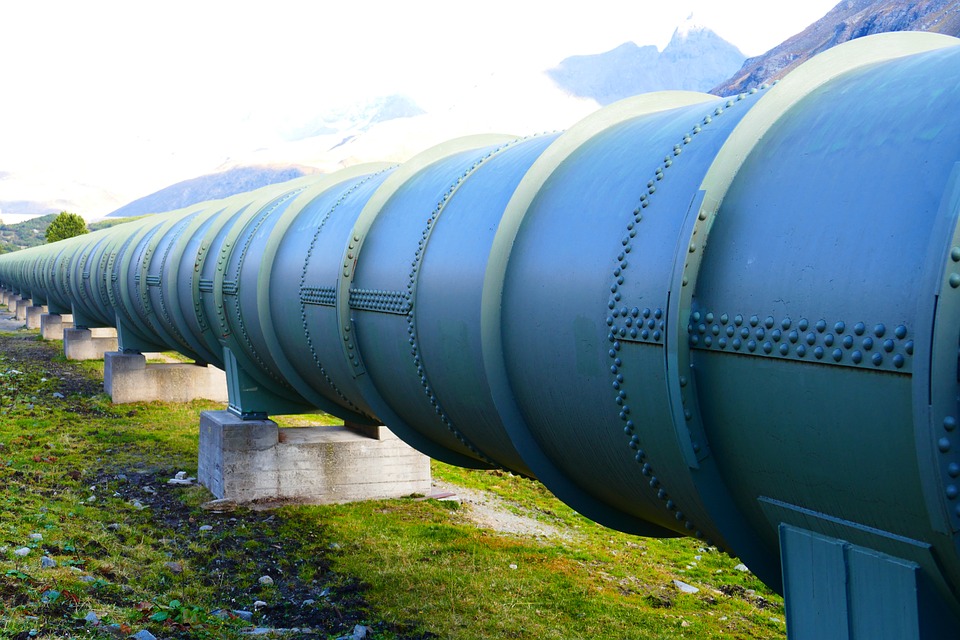
On Aug. 31, when shareholders approved the sale of the 1,150-kilometre Edmonton-to-Burnaby Trans Mountain Pipeline to the government for $4.5 billion, the shares touched a four-month high of $17.18. Sale proceeds will help Kinder reduce leverage, as the company expects to end the year with little or no debt on its books.
Kinder makes money in western Canada from two segments: energy transportation pipelines ($201 million of the aggregate $388 million in 2017 EBITDA) and storage terminals. The company now says it expects $50 million in adjusted EBITDA in Q4 2018, the first full quarter without Trans Mountain earnings.
So, why would a company want to divest its main asset?
For starters, expansion of the oil sands pipeline from 300,000 bpd to 890,000 bpd, which is supposed to allow Alberta’s crude access to markets other than the U.S., has been dogged for years by regulatory and environmental hurdles. So, the company gave up on the project to contain legal risks and reduce uncertainties.
On the same day shareholders approved the deal, a federal court quashed Ottawa’s November 2016 approval to expand the pipeline, which is expected to cost $7.4 billion.
Capital gains from the sale are expected to trickle down to shareholders. About $1.2 billion, or $11.40 per share, will be returned to investors on Jan. 3. Because stocks tend to decline by the distributed amount on the day dividends are distributed, Kinder said it will do a reverse stock-split of one-for-three to restore the stock’s trading range. Going forward, the annual dividend will remain unchanged at $0.65 per share.
To me, asset sales, capital reduction, and downsizing suggest a company that’s been caught off guard, cornered, and is seeking a way out. Actually, that wouldn’t be such a bad idea if Kinder’s remaining assets are a perfect fit for a buyer out there that’s willing to pay a premium for them.
One thing is for sure: Canada will, sooner or later, expand the pipeline, as the nation cannot carry on selling its crude to the U.S. at a discount to market prices of more than US$30 per barrel. While Kinder may seem to have lacked patience, companies set to benefit from the prospective infrastructure include not only exploration and production players like Canadian Natural Resources and Encana, but also Kinder’s competitors positioned in the midstream segment such as Enbridge and TransCanada.