Investors seeking to cash in on higher oil and access outsized returns should look no further than intermediate oil explorer and producer Gran Tierra Energy (TSX: GTE)(NYSE:GTE). The driller has failed to perform, only gaining 4% since the start of 2019 compared to the international benchmark Brent, which has soared by 42%.
Mixed first-quarter results
This decline in Gran Tierra’s value occurred despite it announcing some credible first-quarter 2019 results. The upstream oil producer reported net, after royalty, oil production had risen by 12% year over year to 31,664 barrels daily.
Nonetheless, Gran Tierra’s netback, which is a key measure of operational profitability, deteriorated sharply, falling by 16% compared to a year earlier to US$36.08 barrel. This decline was more than triple the deterioration in the average realized Brent price over the same period, which fell by 5% to US$63.90.
The marked downturn in profitability can be attributed to a sharp increase in costs. Operational expenses surged by 37% year over year to US$12.24 per barrel, while workover costs leapt by 20% to US$2.20 per barrel. As a result of weaker realized oil prices and higher expenses, Gran Tierra’s profitability deteriorated significantly to see it report first-quarter net income of just under US$2 million compared to almost US$18 million a year earlier.
This marked slump in profitability coupled with the high level of geopolitical risk associated with operating in Colombia weighed heavily on Gran Tierra’s stock.
Those higher workover and operating expenses can be blamed on increased power, equipment, and maintenance costs caused by production from Gran Tierra’s Acordionero facilities expanding at a greater rate than anticipated as well as unexpected pump failures.
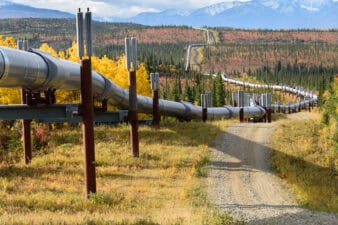
Ongoing attacks on Colombia’s oil pipeline infrastructure, including a bombing of the Transandino pipeline in late April 2019, continue to have a negative effect on Gran Tierra’s stock. This is because those pipelines are the only cost-effective means of transporting the oil produced in the mountainous Andean nation to key ports. The Transandino pipeline is key link between the Putumayo basin where Gran Tierra is a leading landholder to Colombia’s west coast port of Tumaco.
While there are clearly some operational issues impacting Gran Tierra, the degree of risk perceived by the market appears overbaked. Not only are security and other geopolitical risks now far lower because of the 2016 peace deal between Colombia’s government and the largest insurgent group the FARC, but Gran Tierra has strategies to mitigate the impact of operational outages.
Gran Tierra’s proven plus probable oil reserves of 150 million barrels have a net asset value of $8.27 per share, which is almost three times greater than its market value, underscoring that the driller is trading at a steep discount to its intrinsic value.
Gran Tierra also finished the first quarter in a solid financial condition.
It had cash of almost US$33 million and total long-term liabilities, including debt and asset retirement obligations, of US$602 million, which is a manageable 1.6 times trailing 12-month EBITDA.
Pulling it together for investors
Gran Tierra’s production will continue to expand because of its high drilling-success rate and exploration and well-development activities. The company anticipates that 2019 oil output will grow by 13-19% when compared to 2018. That bodes well for earnings growth, especially in an environment where crude is expected to remain firm and where Brent will average over US$70 per barrel during 2019 because of significant supply constraints and higher-than-expected demand. Gran Tierra’s ability to access international Brent pricing gives it a handy financial advantage over its peers solely operating in North America.
Gran Tierra is trading at a deep discount to its net asset value, and when this is considered in conjunction with the improving climate for upstream oil producers as well as its ability to grow production, now is the time to acquire the driller.