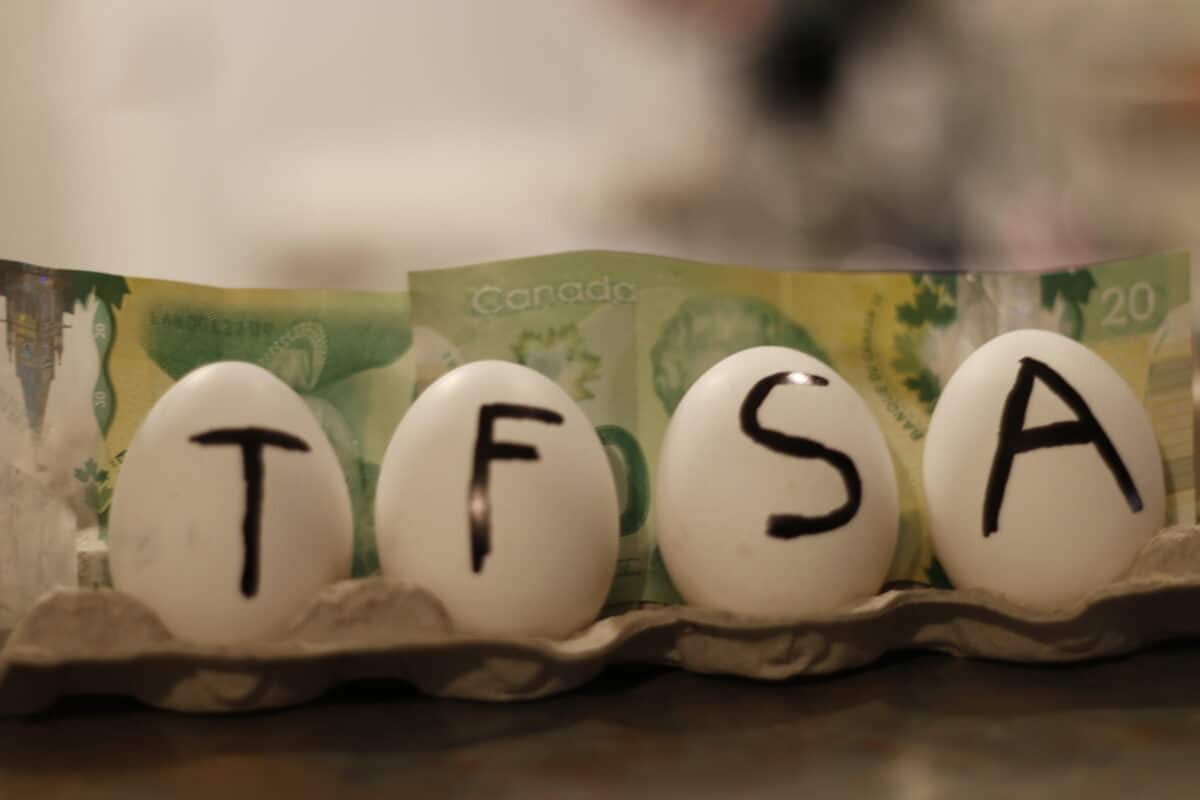
Now that 2024 is over, you have an additional $7,000 of Tax-Free Savings Account (TFSA) contribution room to work with. For those unfamiliar, a TFSA is a registered account that allows your investments to grow completely tax-free, with no taxes due when you withdraw.
That being said, it’s important to be strategic about how you use this valuable room. Holding cash in your TFSA means losing purchasing power to inflation, while risky bets like penny stocks or options could leave you with a capital loss – one that you can’t claim come tax time.
The smarter move? Focus on exchange-traded funds (ETFs). Here are the two types of ETFs I’d prioritize for a TFSA, along with some examples to consider.
Source: Getty Images
REIT ETFs
A Real Estate Investment Trust (REIT) is a company that owns, operates, or finances income-producing real estate, such as office buildings, shopping malls, or apartment complexes.
A REIT ETF allows you to invest in a broad range of these real estate businesses with just one purchase, making it an easy way to gain exposure to the entire real estate sector.
Long-term structural drivers like population growth, urbanization, data centres, and e-commerce logistics facilities are just a few of the factors supporting growth in this space.
One issue with REITs and REIT ETFs, however, is poor tax efficiency when held outside of a TFSA. Typically, the distributions you receive from REITs are considered ordinary income with some return of capital. Ordinary income is taxed at your marginal tax rate, meaning the more you earn, the more you lose to taxes.
Inside a TFSA, this tax issue disappears, making REIT ETFs an ideal choice. One strong option to consider is the Hamilton REITs YIELD MAXIMIZER™ ETF (TSX: RMAX).
This ETF holds a 50/50 mix of U.S. and Canadian REITs and employs a covered call strategy to boost income. Currently, it delivers a 9.8% yield, paid monthly, making it an attractive choice for investors looking to maximize their TFSA’s passive income potential.
Bond ETFs
If you’re looking for safety in your TFSA but still want the potential for some income, bond ETFs are an astute choice. These ETFs hold portfolios of loans to governments or companies and can vary in terms of quality and maturity, which determines their level of risk.
In a non-registered account, bonds aren’t ideal because their income is taxed similarly to REITs – as ordinary income at your marginal tax rate. However, in a TFSA, this issue disappears, making bond ETFs a smart option for conservative investors.
One standout choice is the Hamilton U.S. T-Bill YIELD MAXIMIZER™ ETF (TSX: HBIL).
This ETF invests 80% of its portfolio in ultra-safe U.S. Treasury bills, which are short-term government bonds considered virtually risk-free. With interest rates staying high, these T-bills already deliver solid yields.
The remaining 20% of the ETF is allocated to long-term Treasury bonds with covered calls. While this adds a bit more risk, it also converts volatility into high income.
As a result, HBIL strikes an attractive balance – it’s rated low risk yet delivers an impressive 7.4% distribution yield, making it an excellent candidate for income-focused investors using a TFSA.