Got $5,000 and a desire to make your money work harder? You could potentially grow this capital into a substantial amount over time. Many Canadians wonder how to invest for growth, especially with a modest starting sum. However, once you commit to an investment journey, you can build lasting wealth from modest initial capital positions. This isn’t about getting rich quick, but rather laying a solid foundation for potential growth over the next five years and beyond.
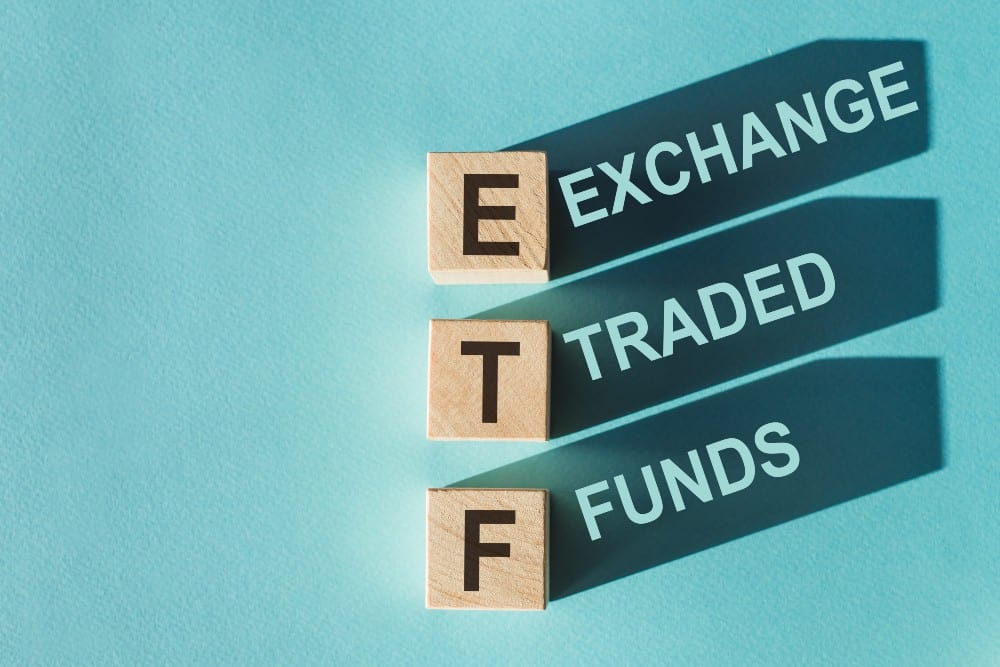
Image source: Getty Images
Why $5,000 is a great starting point
Don’t underestimate the power of $5,000. Even seemingly small amounts can grow significantly over time thanks to the magic of compounding. Starting with $5,000 allows you to begin building good investing habits, understand market dynamics, and put your capital to work. With accessible online platforms, investing this sum has never been easier for Canadians in 2025, making it a fantastic initial step on your wealth-building journey.
How to invest $5,000 for steady growth
When thinking about how to invest for growth in Canada, especially with a five-year horizon (or longer!), diversification is as absolutely crucial as choosing the best investments to stash your capital in. You want to hold the best-in-class growth investments, and you don’t want to put all your eggs in one basket.
For a starting portfolio of $5,000, achieving broad diversification can seem challenging, but there’s a powerful tool perfect for this: Exchange Traded Funds (ETFs).
Buy the iShares S&P/TSX 60 Index ETF
The iShares S&P/TSX 60 Index ETF (TSX: XIU) looks appealing for growth-oriented investors. This exchange-traded fund (ETF) allows you to acquire shares in 60 of Canada’s largest and most liquid companies in a single transaction. This provides instant diversification across major Canadian industries, with sector weights designed to mimic the S&P/TSX Composite Index, Canada’s leading measure of stock market performance. Top sectors include financials (36.4%), energy (16.6%), and materials (11.5%).
Investing in the XIU means you’re investing in companies with well-established moats, leading market shares, and substantial revenue books, often employing some of Canada’s best talent.
The ETF offers a low-cost investment strategy with a management expense ratio (MER) of just 0.18%, meaning investors may incur $1.80 annually in management expenses on every $1,000 investment.
The fund has accumulated over $16.7 billion in assets under management since its inception in 1999 and delivered a net asset value (NAV) total return of 50% over the past three years. The XIU ETF also provides quarterly dividend distributions, currently yielding 2.7% annually. This ETF is a favorite among both individual and institutional Canadian investors, who added $2 billion in net funds flow to the fund’s portfolio in the past year alone.
The investment fund is an excellent core holding for your $5,000, providing a robust and diversified base around which you can consider adding high-conviction single-stock holdings over time, amplifying your wealth’s growth potential.
Invest wisely: Maximize tax efficiency with TFSAs and RRSPs
As a Canadian investor focused on growth investing in Canada, maximizing tax efficiency is paramount. For your $5,000, your first stop should almost certainly be a Tax-Free Savings Account (TFSA). Any investment growth and withdrawals within a TFSA are completely tax-free, making it an incredibly powerful tool for medium to long-term growth. If your primary goal is retirement savings, an RRSP (Registered Retirement Savings Plan) offers immediate tax deductions on contributions and tax-deferred growth until withdrawal, though withdrawals in retirement are taxed.
Foolish bottom line
Investing $5,000 is a fantastic step towards securing your financial future. By starting with a diversified, low-cost ETF like the iShares S&P/TSX 60 Index ETF in a tax-advantaged account, you’re building a strong foundation for potential growth over the next five years. Remember, patience is key in investing. While the XIU ETF provides solid Canadian market exposure, consider continuing your research to identify high-growth single-stock ideas that could potentially supercharge your portfolio over time. Joining investing forums or premium investment groups can be a great way to stay focused, energized, and discover those high-conviction opportunities that may amplify your portfolio’s growth momentum.