Brookfield Renewable Partners (TSX: BEP.UN) is among the best Canadian dividend stocks in 2026. Over the past decade, it has returned 204% to shareholders, including dividend reinvestment.
Despite these inflation-beating returns, it trades 36% below its all-time high and offers a 5.6% yield right now.
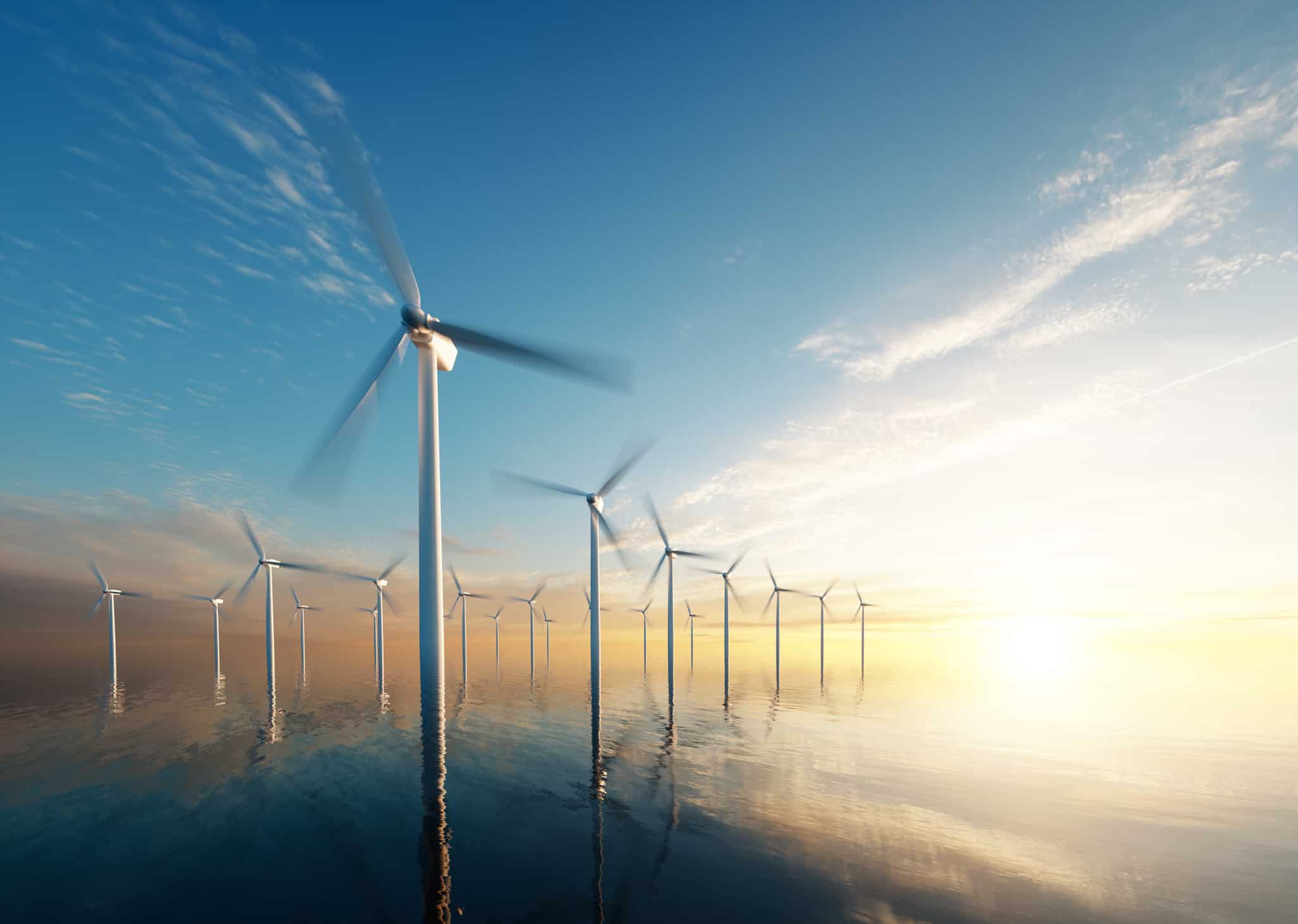
Image source: Getty Images
What Brookfield Renewable does and why income investors care
Brookfield Renewable owns power plants, which include hydro dams, wind farms, solar projects, and a fast-growing battery business. It also owns Westinghouse, which CEO Connor Teskey said services over 60% of the world’s operating nuclear reactors.
Brookfield is an electricity landlord: customers sign long contracts to buy the power, and Brookfield collects the rent.
CFO Patrick Taylor said about 90% of its cash flow is contracted for more than 12 years. Roughly 70% of the cash flow is inflation-linked, and 95% of the debt is fixed-rate with a 14-year term.
A steady, widening cash flow base has allowed the company to raise dividend distributions for 15 consecutive years.
Over the long term, Brookfield aims to grow annual distributions by 5–9%. It also aims to grow funds from operations (FFO) per unit by 10% or more.
Why surging power demand is a tailwind for the stock
Teskey emphasized that electricity demand is running well ahead of supply for three reasons.
- Cars and factories are going electric.
- Advanced economies are rebuilding their industrial base.
- And artificial intelligence (AI) data centres are power-intensive.
In just a few years, Teskey said, energy went from something everyone took for granted to the biggest bottleneck for the world’s most important companies.
Brookfield has been building for this moment. Managing Director Amanda Laszutko said it developed less than 1 GW (gigawatt) a year in 2021. In the last 12 months, it developed eight gigawatts and expects to develop 11 gigawatts a year starting in 2028.
Three years ago, the company had almost no battery storage. Today, its batteries can output up to 5 GW at once, enough to power more than three million homes.
Management also raised its deployment target to over US$11 billion across the next five years, up from US$10 billion.
Taylor said Brookfield raised US$1 billion by selling assets over the past 12 months. Over the last five years, it sold assets worth US$4 billion at an internal rate of return of 18%, above its 15% target.
The company can raise about US$2 billion at a cost near 8% and redeploy it at 15% or more, which should drive per-unit FFO growth higher.
Is BEP stock undervalued?
Teskey said Brookfield has underperformed the broader markets in recent years due to elevated interest rates. However, the company has successfully showcased an ability to pass higher financing costs on to customers through its contracts.
Teskey stated:
It does feel like we’re in an unnatural position right now with an incorrect market read on the impact of interest rates.
Analysts forecast FFO per share to grow from US$2.01 in 2025 to US$3.13 in 2030. With a 70% payout ratio, the annual dividend should rise to US$2.20 per share in 2030, up from US$1.57 per share in 2026.
If BEP stock trades at 14 times forward FFO, it could surge 54% over the next 40 months. Adjusted for dividends, cumulative returns could exceed 70%.