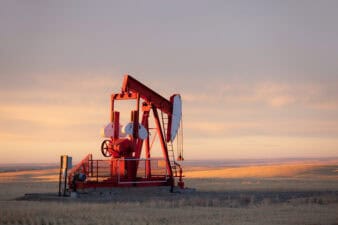
The January numbers are out for Alberta’s real estate market, and they’re not pretty.
In the first month of 2015, 2,642 properties sold in the province, a decline of nearly 30% from 2014’s numbers. The median price also declined in the province, falling 1.6%. Canada saw a decline in sales of 2%, while prices increased 3.1%. As you can see, it’s obvious that the province is dragging down an otherwise robust market.
In markets more exposed to oil, the carnage was even worse. Prices fell 7.3% in Fort McMurray, 8.5% in Grande Prairie, and more than 14% in Lloydminister, all cities that are well known as oil towns.
Listings have also surged in the province to 19,429 listings in January. That’s an increase of 20%, and it represents almost eight months worth of sales. That’s the highest that number has been since 2011.
Needless to say, the Alberta market is struggling. And with crude continuing to be weak, it doesn’t look like things are about to get much better. Layoffs in the energy sector are continuing, and many energy producers will look to cut further in the second half of the year if things remain weak.
For readers outside the province, this might seem like an entertaining sideshow. But in reality, the carnage could easily spread. Here’s how you should position your portfolio.
Avoid Alberta-centric companies
The first step is obvious. Although they may seem like a decent value, companies with a lot of Alberta exposure aren’t where you want to be.
Take Canadian Western Bank (TSX:CWB), the Edmonton-based financial institution. The company is not only heavily exposed to housing markets that are dependent on oil, but it has lent heavily to businesses as well, with 20% of its loan portfolio in commercial mortgages, and an additional 19% financing vehicles and equipment. Considering Alberta’s economy, there are likely many loans to businesses that are either directly involved in energy, or will be affected by the downturn.
Another company that has felt the decline is AutoCanada Inc. (TSX:ACQ). It owns car dealerships across Canada, but about 50% of its revenue comes from Alberta. The company has been buoyed by oil workers buying expensive pickup trucks, a trend that’s expected not only to slow, but will likely all but dry up. At least, it will likely be offset by increased revenue from service and repairs, as customers hang onto their old cars a little longer.
What about the banks?
There’s the possibility that headline numbers from Alberta’s housing market are part of what brings down Canada’s housing bubble.
Look at it this way. Housing is a sentiment-driven asset class. There’s a belief among Canadians that housing is safer than the stock market, and that high prices are just a new reality. Just look at all the people who are actively looking for houses in Toronto, a market rife with bidding wars.
If the news is dominated with stories of Alberta’s declining housing market, this could start to scare off buyers in other parts of the country. And if the banks start to cut back on lending in an effort to raise cash to help offset losses in Alberta, this will naturally slow down the rest of the country.
Investors looking for a specific bank to avoid in this situation should look at Canadian Imperial Bank of Commerce (TSX:CM)(NYSE:CM). As the smallest of the “Big 5,” it will likely be perceived as the weak link. CIBC is more heavily dependent on its Canadian mortgage business, thanks to years of actively courting both mortgage brokers (a relationship that has recently been severed) and in-branch business.
It isn’t just the housing market in Alberta that’s at risk. The average Canadian household owed more than $76,000 in 2014, a new national record. In Alberta, the average household owed more than $124,000. With the province’s economy already on shaky ground, it’s obvious some of that cash won’t be paid back.
The bottom line? Alberta needs crude oil to return to at least $80 per barrel, or else we’re just seeing the beginning of the rout in the province’s economy. Position your portfolio accordingly, it could be a bumpy ride.