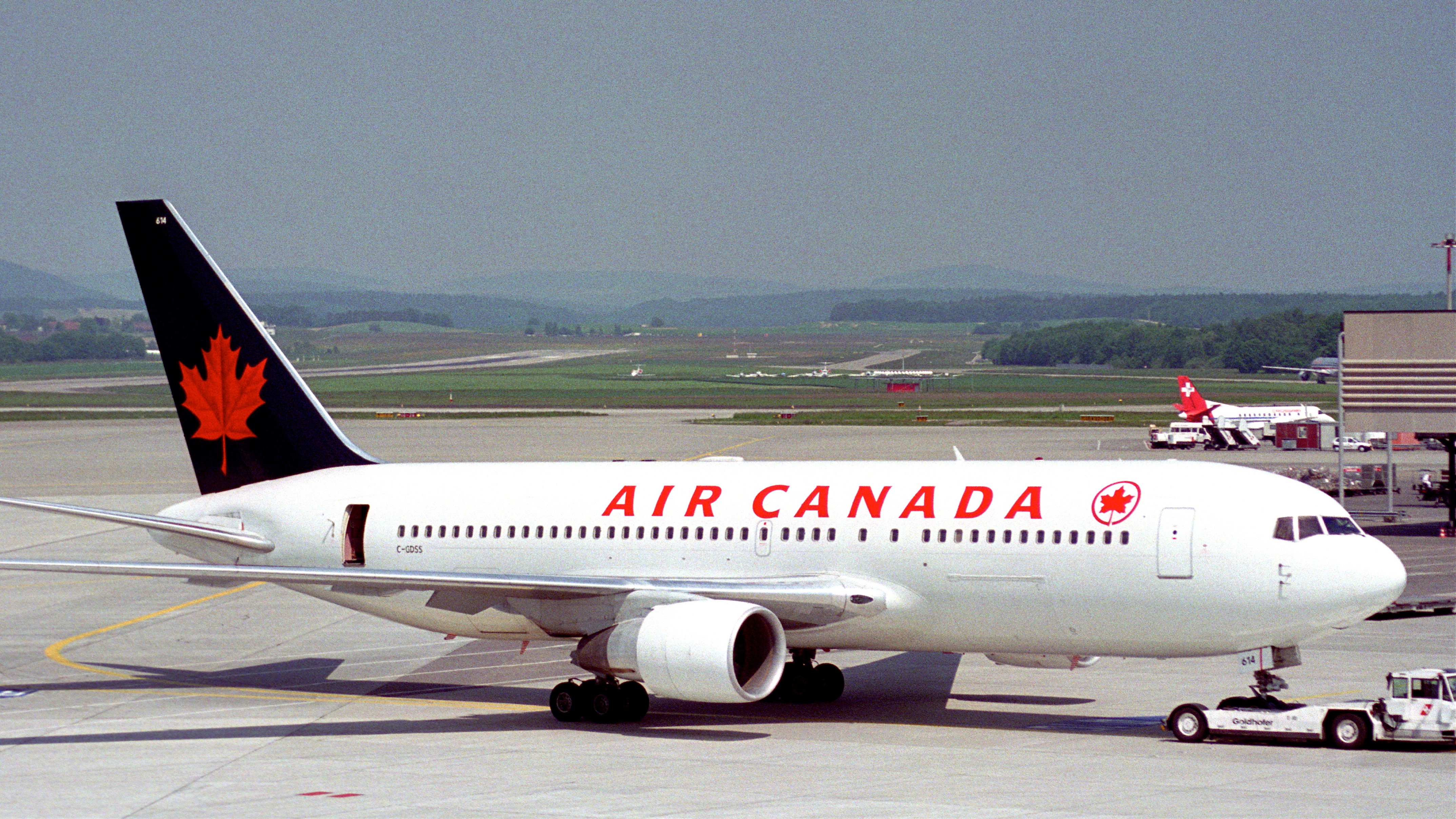
It has been close to a decade since the Great Recession of 2008. Jobs were lost and air travel slowed down significantly. Now, close to eight years after the end of the recession, stocks have recovered, housing has increased in value, and people are travelling for personal and business reasons once again.
This past Friday, shares of Air Canada (TSX:AC)(TSX:AC.B) hit a 52-week high of $18.10, indicating that things are going very well. Arguably, airline stocks are lagging indicators to the general economy. Once things are in full swing and the debts have been paid back, consumers will take a vacation and spend a little more money travelling; this usually happens at the end of a bull market. Regarding business travel, it will increase when the economy is doing well.
The comparison of lagging indicators vs. leading indicators can be better understood when thinking about the issuance of new housing permits. For those who follow the news, there is often a correlation between the performance of the stock market and the amount of housing starts when the numbers are announced. If more housing starts are announced, then more people will be employed to build homes. Housing starts are an important indicator to the overall economy.
Getting back to airlines, the increase in travel will typically happen at the end of a business cycle. In addition to Air Canada hitting a 52-week high, shares of WestJet Airlines Ltd. (TSX:WJA) are currently trading within 10% of their 52-week high. WestJet, however, actually pays investors a dividend to wait; Air Canada does not.
Although the lower fuel prices have been a curse for western Canada, the benefactors have been the consumers and, of course, the airlines themselves. Lower expenses lead to higher profits.
If we look at the revenues of the company, we can see the increase has been fairly consistent with revenues moving from $12,382 million in fiscal 2013 to $14,677 million in 2016. The compounded annual growth rate equates to 5.8%. If we go down the income statement, we see that earnings per share (EPS) increased at a much higher rate. With a profit of only $0.02 per share in fiscal 2013, EPS increase to $0.34 in 2014, $1.07 in 2015, and a fantastic $3.68 in fiscal 2016.
For the first quarter of 2017, revenues increased by close to 9% from the year earlier, while EPS turned negative. Although the reason for the loss was due to “other” expenses, the reality is that there have been one-time expenses which have reared their heads on two consecutive quarters: Q4 2016 and Q1 2017.
While investors are finding new optimism in one of the worst possible businesses out there, the worry which needs to be better considered is why revenues have increased so significantly over the past few years while earnings are now starting to turn negative. Very often, when one-time charges are recognized, these are expenses that were simply “missed” in past earnings. Maybe things are not as good as they seem.