It has been a tough few years for one-time high-flying uranium miner Cameco Corp. (TSX:CCO)(NYSE:CCJ). Over the last five years, its value has plummeted by 38% after nuclear power fell into disfavour after the 2011 Fukushima disaster in Japan, which caused the price of uranium to collapse. Since then, uranium has remained caught in a protracted slump, despite claims by industry insiders and analysts that it is poised to rebound because of a combination of growing demand and emerging supply constraints.
Nonetheless, despite these claims, there has been no sign of a sustained rally, and an upturn in the fortunes of the radioactive metal may never occur. This is because the outlook for uranium is not as bright as claimed, and there is every indication that nuclear power will remain in disfavour. That will continue to weight on Cameco’s market value.
Now what?
The greatest threat to nuclear power is the secular trend to cleaner renewable sources of energy, which forms a vital part of the battle against climate change. Key to adding additional momentum to the growth of renewable sources of energy has been the Paris Agreement, which seeks to keep the global temperature rise this century below two degrees Celsius above pre-industrial levels. While on initial appearances this should create a favourable environment for nuclear power generation, which is the single largest consumer of uranium globally, it is not necessarily the case.
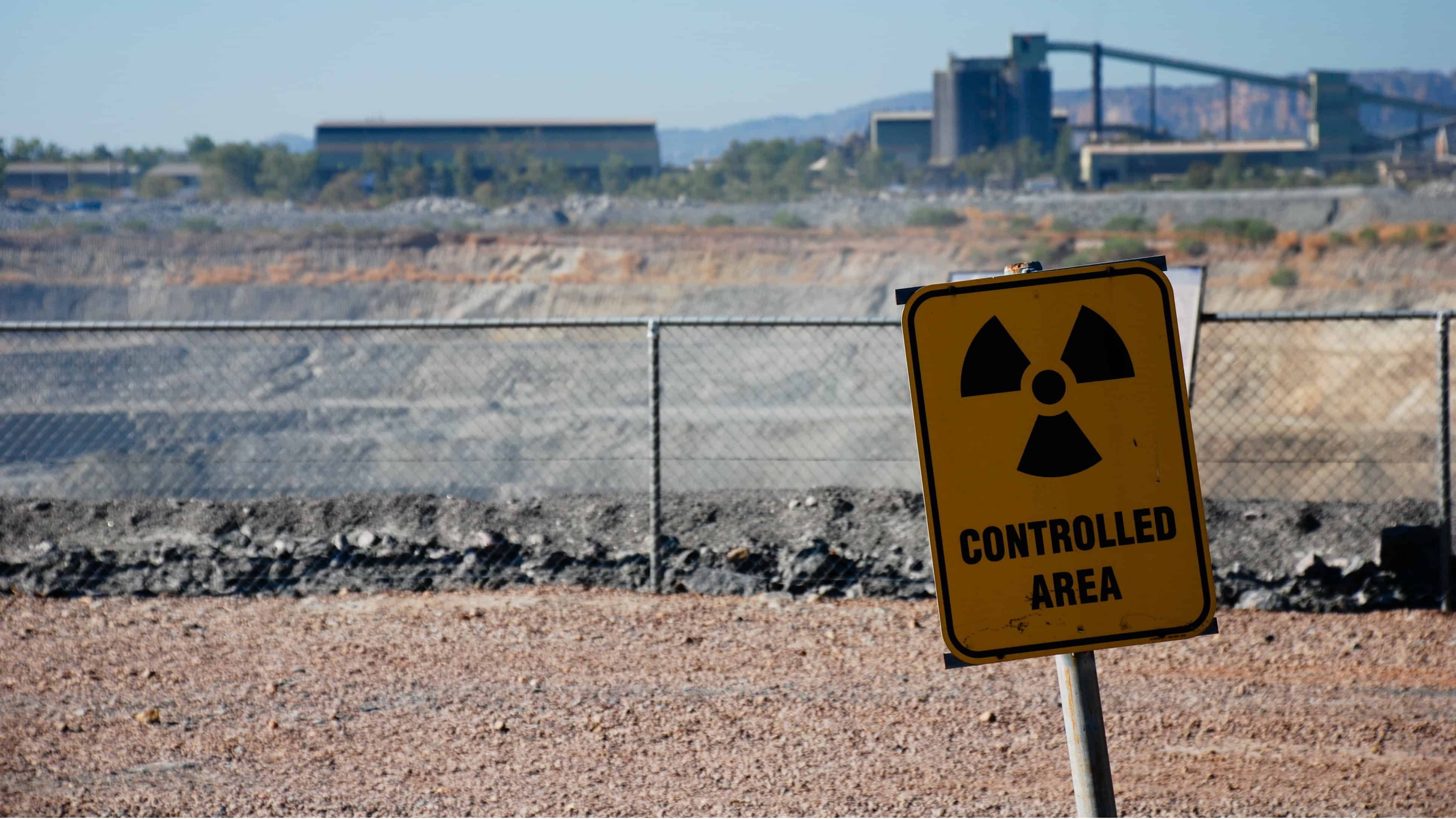
You see, while nuclear energy does not produce air pollution or greenhouse gas emissions, there are considerable concerns regarding the radioactive waste produced, and the significant threat posed by the critical failure of a reactor. The Fukushima catastrophe, which was the most significant nuclear incident since the 1986 Chernobyl disaster, magnified these fears.
This is because radioactive material from the plant was released, and while there were no fatalities directly linked to the disaster, radiation is expected to have a significant impact on the environment; for example, it could cause higher rates of cancer deaths for decades to come. The same issues relate to the safe storage of waste material from nuclear power generation.
According to the U.S. Nuclear Regulatory Commission, high-level reactor waste can deliver more radiation than what is considered a lethal full-body dose for humans for decades after its disposal.
It is these worries that have seen countries such as France, South Korea, Germany, Spain, and Switzerland focus on either phasing out or reducing their dependence on nuclear power. Even the additional demand for uranium that will arise because of the 55 reactors currently under construction globally likely won’t be sufficient to make up the decline in demand caused by these countries mothballing existing reactors. This will be exacerbated by the growing popularity of natural gas, which has become the favoured transitional fuel for electricity generation and falling costs for renewable power.
This is not good news for the long-term outlook for uranium or Cameco.
The impact of these factors on uranium can be seen from Cameco’s first-quarter 2018 results. Both the average spot and long-term price for the radioactive metal were 12% lower than they had been for the same period a year earlier.
While Cameco did report stronger financial results for the quarter compared to a year earlier, including a $55 million profit against a loss of $18 million that can be attributed to other factors — the most notable being a gain from the restructuring of JV Inkai and reorganizing a contract with a utility customer, which advanced future deliveries into the first quarter.
So what?
Much of the optimism surrounding the outlook for uranium appears overblown, and there are no catalysts on the horizon that appear capable of triggering a sustained rally in the fuel. For that reason, Cameco is an unappealing investment and appears to be a value trap.