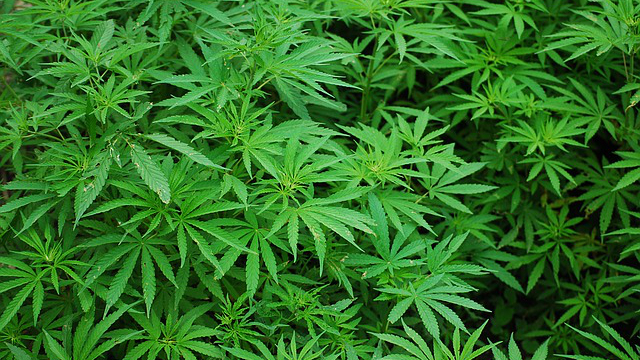
Recreational cannabis is now legalized from coast to coast, but there still exists a taboo on the drug in spite of its promising therapeutic potential.
The THC market expectations are “too high”
When most folks hear about cannabis, the first thing that comes to mind is “getting stoned.”
The intoxicating effects tetrahydrocannabinol (THC), the main psychoactive compound in cannabis, renders a user couch-locked (like a stone), giving them the munchies, temporarily impairing their cognitive abilities, and potentially leaving them with a brain fog (a marijuana hangover) for hours, even days after THC’s effect on the brain has worn off.
As you’d imagine, nationwide legalization of cannabis isn’t every Canadian’s cup of tea, although I’m sure many non-users are now more willing to try the drug for the first time now that it’s completely legal at the federal level.
The main reason THC may never take off, though, is the fact that its psychoactive effects aren’t at all desirable to a vast majority of individuals because it “kills productivity,” as Elon Musk once alluded to after smoking a joint on with Joe Rogan on his podcast.
Smoking THC-rich cannabis can be a real time sink, and if you’re a busy person with a list of things to do, there’s simply no room in your weekly schedule for marijuana. And for those with ample amounts of “down time,” not everybody is a fan of the feeling of getting high, as it can bring forth some negative feelings including anxiety or paranoia.
Cannabis has many promising therapeutic effects, but for most, the psychoactive effects of THC are a deal breaker.
The CBD market could grow much faster than we expect
Consider cannabidiol (CBD), another cannabis constituent that contains many of the same therapeutic properties (reducing inflammation, aiding in sleep, etc.) that THC has, the only difference being CBD doesn’t get you high. Thus, CBD isn’t a productivity killer like THC is, which is why I think the CBD market may have way more long-term potential than the THC market.
While most pot investors are focused on THC-dominant cannabis plant components like bud or flower, the real opportunity may lie within good, old-fashioned hemp, which has a higher concentration of CBD relative to THC.
The cannabis market isn’t just about catering to the folks who want to smoke bud or eat pot brownies. Only a small percentage of the population is interested in doing this on a consistent basis. The real opportunity, I believe, lies within the CBD scene, an overlooked market that’s projected to grow to US$2.1 billion by 2020 according to the Hemp Business Journal.
As non-intoxicating consumer packaged CBD edibles, vapeables, and smokables become more prevalent over the next three years, I suspect the growth experienced by the CBD market could exceed even the most bullish of projections.
CBD is the perfect disruptor compound, so investors should strongly consider beefing up their weed portfolios with a play that’ll give them a greater amount of exposure to hemp and the CBD market. Think Aurora Cannabis (TSX:ACB)(NYSE:ACB), which has been quietly backing up the truck on quality hemp assets over the past few years, leading me to believe the company is doubling down on CBD and other cannabinoids that go beyond THC.
Foolish takeaway
The way I see it, CBD is the answer for the pill-popping, sleep-deprived population who’s living with chronic pain and/or anxiety. The undesired side effects of CBD are far subtler than THC or any other alternative drug that’s out there, making it the most suitable substance for the general public who may not be interested in getting higher than a kite.
Stay hungry. Stay Foolish.