Ever wondered how the stock market works? The stock market pundits will give you all the financial analysis metrics. For many, it’s like they are speaking Chinese. But in layman’s terms, two emotions run the stock market: fear and greed. Even Warren Buffett said, “Be fearful when others are greedy and be greedy when others are fearful.” This advice is what helps Buffett make millions in a market crash.
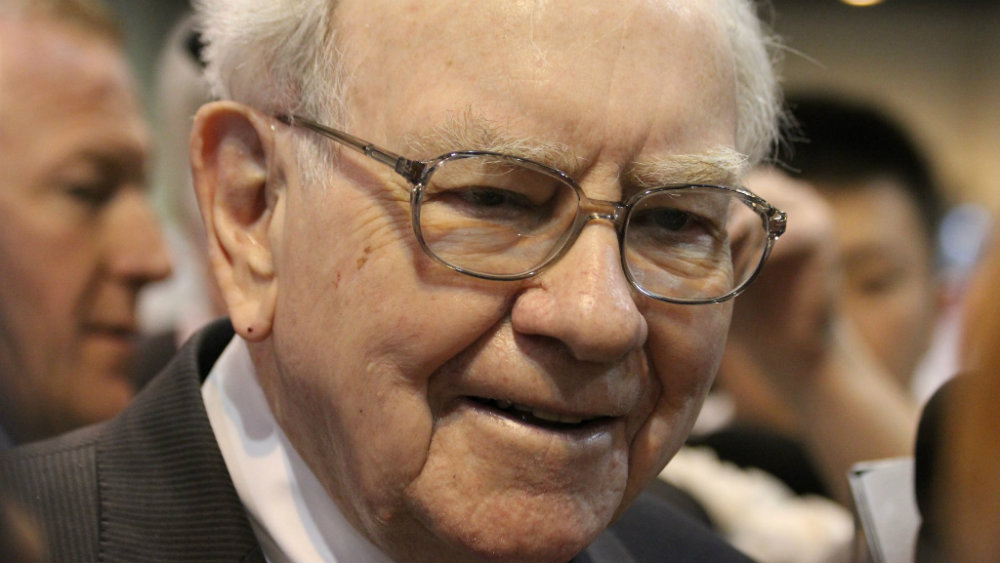
Image source: The Motley Fool
The right way to invest in the stock market
When you are looking at investing in a stock, look at it like deciding on a travel destination. You don’t close your eyes, point a place on the map, and, poof, you appear there. When you shortlist the destination, you read about the place, food, travel, stay, budget, and much more. Sometimes, all your planning will go stale for reasons beyond your control. For instance, people who planned to go to Britain for Christmas saw their flights getting canceled because of the mutated coronavirus.
Just like travel, your stock market investments might give you better-than-expected returns or negative returns. Remember, there will always be a risk of a market crash. But that should not stop you from investing. Instead, learn from the market movements and hedge your risks.
How Buffett makes money in a stock market crash
Warren Buffett uses two tricks that make him a winner in the stock market. The first is that buy when everyone sells and sell when everyone buys. Doing so will get you some lucrative deals. It’s the same as greed and fear. Now, don’t take this advice literally. It’s equally important to know what to buy and what to sell.
Buffett purchased Suncor Energy (TSX:SU)(NYSE:SU) in June when everyone was selling oil stocks. Suncor even cut its dividends by 55% to preserve cash. Now, Buffett looked at the stock as a long-term investment. The stock price has halved to $21-$22 as the pandemic disrupted travel and significantly reduced oil demand and oil price. The problem with commodities is they are cyclical and volatile. No single company can command the price.
But Suncor has the benefit of long-lived assets. Even if it stops oil production, its oil fields won’t dry up for 26 years. Moreover, renewable energy won’t significantly replace oil at least till 2040. At present, Suncor stock is down because the oil price is down. But the company will survive the crisis because of its large size and $13 billion in liquidity.
In the coming decade, people will travel more and oil prices will surge. Suncor’s management is reducing costs that will help it generate more profits when oil prices surge. More profits will give it room to increase dividends in the coming decade. The stock was hit by the financial crisis in 2009. But in 10 years, it doubled, plus it gave incremental dividends. Study the stock, look at its risks and rewards, and then make a call whether to buy or sell.
Buffett’s second lesson in a stock market crash
When investing in stock markets, Buffett says, “Spend only and exclusively what you can lose.” You create a portfolio of stocks where some are low risk, some are high risk, and some are dividend paying. One strong growth stock can recover your losses from other high-risk stocks.
For instance, Buffett invested billions of dollars in airlines in 2017 while being fearful. He was prepared to make a loss if his airlines bet backfired. Hence, he sold off $6 billion worth of airline stocks in April this year as his fears materialized. Now, his move contradicts his first advice of buy when others are fearful. But what if he was fearful? Many analysts questioned his decision when airline stocks surged temporarily in November.
Buffett was not greedy and didn’t wait for airline stocks to recover. Airlines are in a situation where no amount of planning will work unless the virus is controlled. It’s like that December trip to Britain that didn’t materialize.