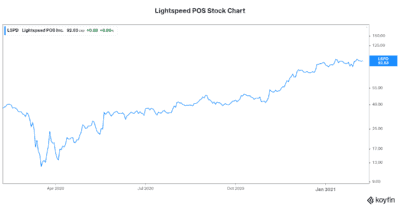
Shopify (TSX:SHOP)(NYSE:SHOP) stock and Lightspeed POS (TSX:LSPD)(NYSE:LSPD) stock both have momentum on their side. This is very fitting. These e-commerce game changers have certainly deserved this upward momentum. Their revenue is growing at an impressive clip. And so is their market capitalization. Which e-commerce platform stock is the better buy today?
Lightspeed stock: Continues to beat expectations
Lightspeed POS offers a cloud-based commerce platform powering small- and medium-sized businesses. The company serves businesses are located in over 100 countries. So, it’s similar to Shopify. But it’s currently focusing on the hospitality industry and on retailers.
This software development tech company offers omni-channel point of sale platform solutions. The demand for its solutions was impressive before the pandemic. Post-pandemic, Lightspeed’s value has become painfully clear. What do I mean by omni-channel? It simply means an integrated shopping experience. Whether you are shopping online from a mobile device, a laptop, or at a brick-and-mortar store, Lightspeed provides this.
Lightspeed POS reported its fiscal third-quarter results last week. The quarter was another success on many fronts. For example, strong revenue growth of 79% blew past expectations. Also, organic growth (excluding acquisitions) was a robust 47% compared to 42% last quarter. This is indicative of strong and accelerating growth for the industry and company. But EBITDA was a -$6.6 million. This represents a deterioration relative to last year.
Shopify stock: Tried and tested
It wasn’t long ago that many of us questioned how Shopify can be trading at such lofty valuations. It has become increasingly clear that Shopify is destined to continue growing rapidly. Earnings are blowing away expectations. They’re also growing rapidly. Shopify has first-mover advantage. It’s in the sweet spot in the e-commerce revolution. And it’s still trading at really expensive valuations.
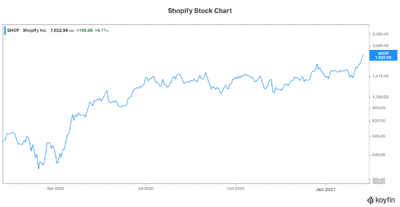
Rapid revenue growth of almost 100% at Shopify is indicative of the massive growth in e-commerce software and solutions. Shopify is a leader in the industry. The company has many partnerships. For example, it has a partnership with the government of Canada. The goal here is to bring Canadian businesses online. Also, Shopify is offering Shopify payments through Buy on Google. It even owns its own studio: Shopify Studios.
Lightspeed POS vs. Shopify stock: It’s all about valuation
A new share issue for Lightspeed POS is reflective of the high demand for e-commerce stocks. Lightspeed stock trades at 49 times sales. Shopify stock trades at 67 times sales and hundreds of times earnings. These valuations are super high for any stock, but they’re supported by massive growth rates. Given these growth rates, we may be persuaded to pay this hefty price.
Just keep in mind that if and when the hyper sales growth slows, these stocks have far to fall. Also keep in mind that the market in general is trading at all-time highs. If you believe, as I do, that the market is up for a fall, beware. High-priced stocks like Lightspeed and Shopify stocks would fall the hardest.
Foolish bottom line
Both Lightspeed POS stock and Shopify stock are riding the e-commerce momentum train. Their businesses have gotten a real boost with the pandemic. Today, we can say that both of these companies have everything going for them — except valuation and expectations. I don’t like to recommend buying when the consensus loves a stock, because this means it’s probably overvalued. So, I recommend staying on the sidelines here. We should be prepared for extreme volatility — to the upside and mostly to the downside. I think there’ll be a better time to buy.