An important goal for any investor is to identify an asset that will help them outpace inflation rates consistently. This in turn will help the investor increase purchasing power and create wealth over time. Traditionally, gold has been viewed as a top bet against inflation but it also has an inverse relationship with interest rates.
Right now, investors are worried about multiple interest rate hikes in 2022, which has resulted in a decline in gold prices recently. However, there is another asset, Bitcoin (CRYPTO:BTC), that has increased investor wealth at a significant pace in the last decade.
The price of a single BTC token has risen from just $0.03 in 2010 to US$37,000 at the time of writing, indicating annual gains of almost 300% in the last 12 years. The rising price of Bitcoin alone does not make it a better inflation hedge compared to gold. A key factor is the total number of BTC tokens in circulation, which is limited to 21 million coins. In fact, a finite supply of gold has been viewed as a major reason for its status as a store of value.
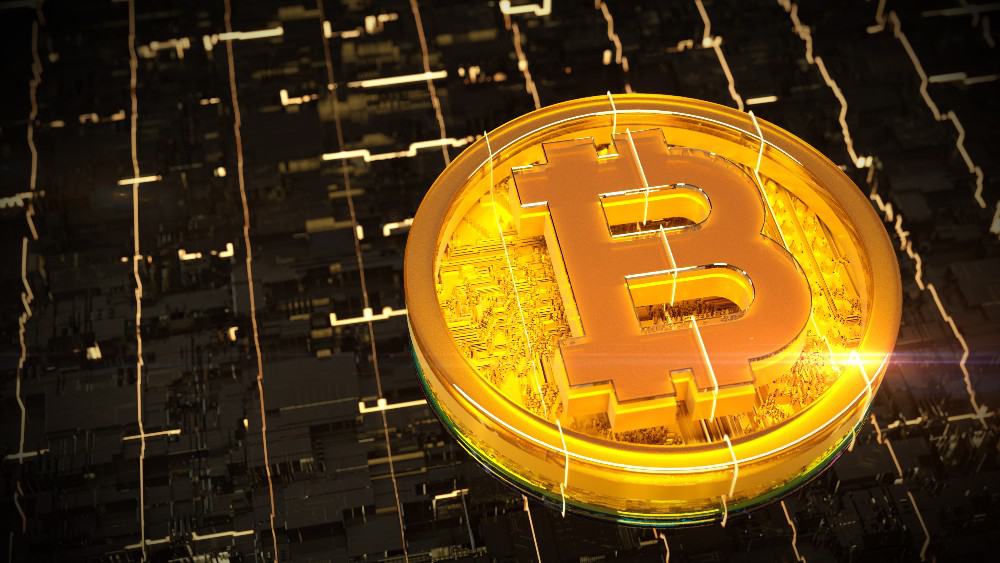
Image source: Getty Images
What is the Bitcoin supply algorithm?
Close to 19 million Bitcoins have already been mined and the last token is expected to be mined by the year 2140. The supply of the world’s largest cryptocurrency is not regulated by any authority or individual, but by an algorithm that is easy to understand.
A bitcoin block is mined every 10 minutes and the computer that mines the block is rewarded in the form of BTC tokens. Back in 2009, a miner would receive 50 tokens for each block mined. So, the number of BTC tokens in circulation rose by 50 every 10 minutes. Further, the reward is halved every four years and it fell to 25 tokens in 2012, 12.5 tokens in 2016, and 6.25 tokens in 2020.
We can see that the inflation rate of bitcoin is decelerating and will touch zero over time. The inflation rate of Bitcoin is less than 2% in 2022 and is much lower than the average inflation rate of the supply of gold that stood at 13% last year.
The risks associated with Bitcoin
Despite the staggering gains of Bitcoin, the digital asset has risen by “just” 12% in the last year. Comparatively, interest rates have quintupled since January 2021. The main issue with Bitcoin is that it’s still viewed as a speculative bet by a majority of financial market participants.
Unlike stocks or bonds, it’s quite difficult to value cryptocurrencies on a fundamental level. The lack of regulation and volatility associated with Bitcoin exacerbates the investment risk for investors. After touching record highs in November 2021, the price of the BTC token has fallen by more than 45%. In fact, the value of the cryptocurrency has declined by over 80% on multiple occasions in the past.
Yes, investing in cryptocurrencies is extremely risky. But historical gains cannot be ignored and this alternative asset class could easily gain pace on the back of widespread adoption. It might make sense for you to invest a small portion of your savings (even as low as 1%) in Bitcoin to benefit from the possibility of inflation-beating returns in the future.