Many investors first began buying Bitcoin (CRYPTO:BTC) when the money flowed back in after its monumental collapse four years ago. The world’s largest cryptocurrency lost 73% in 2018, but then went on a rampage. It rewarded investors with massive gains of 95%, 301%, and 90% in 2019, 2020, and 2021, respectively. This year, the crypto winter is very harsh not only on Bitcoin but on all digital assets.
As of this writing, BTC is down 55% year-to-date. The current price is US$20.776.92, but has been moving within the US$19,000 and US$22,000 range in the last 30 days. Red-hot inflation data is affecting both stocks and cryptos, although the losses to the former have not been as significant.
Negative sentiment
The S&P/TSX Composite Index, led by the energy sector, lost steam following a strong start to 2022. Eight of the 11 primary sectors are in the red year-to-date after the market close on July 15, 2022. It’s been a grueling month too for stocks owing to the 6.21% decline in 30 days.
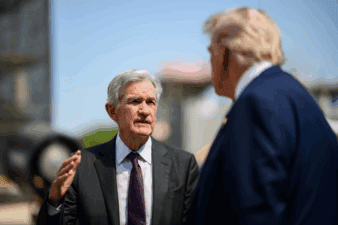
Economists expected the Bank of Canada to raise its benchmark rate by 75 basis points. However, the hike on July 13, 2022, was a full percentage point. Governor Tim Macklem admits breaking from consensus estimates, but said the front-loaded rate hike is more likely to skirt a recession.
According to the policymakers, Canada’s economy is running too hot and they need to choke off the excess demand. Macklem adds that high inflation is not here to stay, but warns of a bumpy path in the return to predictability. The Royal Bank of Canada predicts an economic contraction that would lead to a moderate” but “short-lived” recession in 2023.
Kristalina Georgieva, managing director of the International Monetary Fund (IMF), said global interest rates will likely keep rising until 2023. However, she expects heated prices to cool in response. Meanwhile, investor sentiment is souring due to runaway inflation and rising interest rates.
Extreme volatility
US$2 trillion was wiped out from the value of cryptocurrencies during the crypto crash from the crypto market’s November 2021 peak, according to the Motley Fool report Crypto Winter 2022. Although analysts report no serious negative impact to the broader stock market. Teunis Brosens, the head economist at Dutch bank ING, said, “What has happened in the crypto market has caused great losses for some investors and it’s all very painful and not something I want to downplay.”
Brosens adds that the traditional financial system is relatively well shielded because established banks are not exposed to cryptocurrencies. The cornerstones of the financial world don’t have high-risk digital assets on their balance sheets. In 2008, Canadian banks didn’t hold sub-prime mortgages and other toxic products like their U.S. counterparts.
Nevertheless, Changpeng Zhao, the owner of the Binance cryptocurrency exchange, is sure about the sector’s recovery. However, he said, “It probably will take a few months or a couple of years.” The debacle of Terra, the stablecoin that collapsed after depegging from the U.S. dollar last month, also dampened investors’ confidence in cryptocurrencies.
According to finder.com, a panel of industry specialists predict BTC will close at US$25,473 by year-end 2022 before rising to US$106,757 by 2025. But the panelists warn of tough times ahead in the short-term. The price could drop to US$13,676 at some point this year.
Tamed inflation
Ms. Georgieva said inflation should be tamed next year when the rate hikes start to work. But between stocks and cryptocurrencies, the latter’s recovery could take longer.