Warren Buffett is well-known as one of the best investors of all time. While many of the richest people in the world have started businesses or created new products, Buffett has built his wealth simply through buying stocks.
In fact, from 1965 through to the end of 2021, Buffett had grown his holding company Berkshire Hathaway’s market value by over 3,600,000%, or a compound annual growth rate of more than 20%.
In comparison, the S&P500 had grown at a compound annual growth rate of 10.5% over that time period, which equates to a total return of just 30,200%, compared to Buffett’s 3.6 million.
But while Buffett’s results make him seem like a genius, in reality, he uses a simple buy-and-hold method. One of his greatest strengths is the fact that he can be exceptionally disciplined and patient, two key traits all investors need in order to be successful.
As market volatility continues to pick up, whether you’re new to investing or have been around the block a few times, here’s a simple reminder from Warren Buffett on how to keep a long-term outlook and stay disciplined.
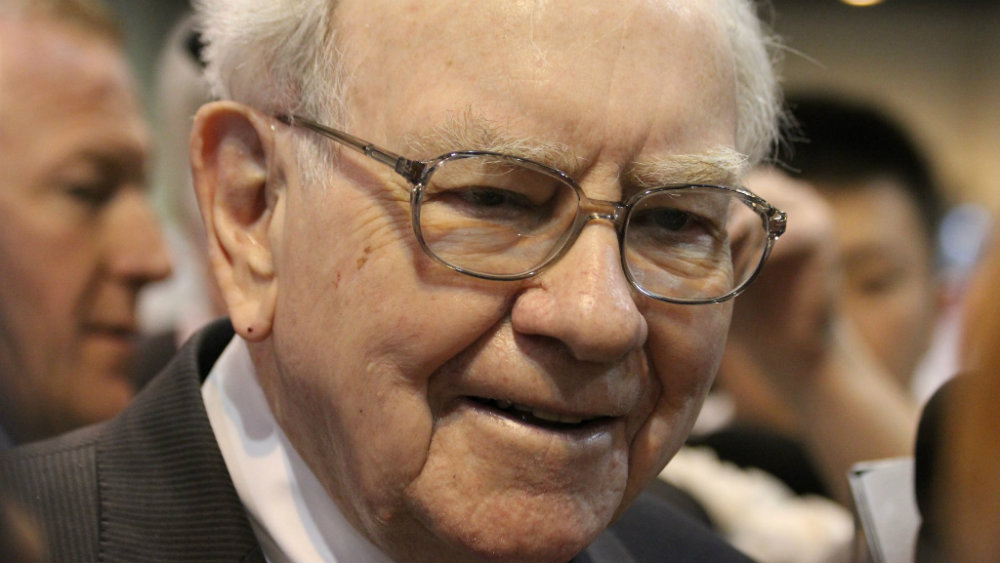
Image source: The Motley Fool
One of Warren Buffett’s most famous quotes
Buffett has several famous quotes that can really help investors gain perspective on finding high-quality stocks to buy, with a focus on looking for companies that you can own for the long haul.
Perhaps his most famous quote came from his 1986 letter to shareholders when he wrote, “We simply attempt to be fearful when others are greedy and to be greedy only when others are fearful.”
We all know that the stock market goes through inevitable cycles. Rather than becoming fearful when the market is selling off and rushing to sell your stocks at one of the worst times, it’s better to be greedy and look for the best bargains you can find.
There is no better time to buy stocks than during a stock market pullback. However, you shouldn’t just buy any stock.
It’s not easy to put your money to work and buy companies that have been consistently losing money all year. However, if you can find businesses that you have confidence in, ones that are positioned to survive a recession and continue growing for years and decades to come, then buying them at a discount today is a significant opportunity.
Here’s why buying the dip can be so crucial
For a great example of the payoff that can come from buying the dip and holding long-term, let’s look back to 2008 and consider Canadian Pacific Railway (TSX:CP)(NYSE:CP). Railway stocks have always been blue-chip investments that offer excellent long-term growth since rail is the most efficient mode of transportation.
And before the market sell-off in 2008, CP Rail traded at around $15 a share. By the time the stock hit its low in early 2009, it had sunk more than 50% to below $7 a share.
So, investors who bought right before the selloff, panicked and sold in the downturn, would have locked in a loss. Had you held the stock, you would have seen it recover in price by late 2010 and early 2012 when it began to post significant gains.
That’s why it’s crucial to find high-quality, reliable stocks and hold them for the long haul.
However, if you were to take it a step further and buy during the selloff, then become greedy when the market was fearful, you could have earned a massive return on investment.
Even if you missed the bottom and bought the stock for $8 a share and held it until today, you’d have earned a total return of more than 1,300%. Had you waited for the stock and market to recover fully and bought at around $11.50 a share later in the year, that investment would have grown 725%.
That’s still a significant return thanks to the buy-and-hold strategy that Warren Buffett has made so famous. To be successful in investing, take advantage of major market selloffs, such as what we’re seeing today, and think long-term.