Paying taxes to the U.S. Internal Revenue Service (IRS) is probably not the first thing the average Canadian worries about. We have our own tax collectors to pay, and most of us don’t spend more than a few weeks in the U.S. in any given year. Understandably, when we think about taxes, we think of the Canada Revenue Agency (CRA).
It’s a logical thought, but not always a correct one. While your income taxes are paid to the CRA (unless you move abroad), your investments are different. Dividends from stocks in countries other than Canada often come with withholding taxes, which are paid to the tax authorities in the company’s legal domicile country.
Most Canadians hold at least a few U.S. stocks – often through index funds – which come with a 15% dividend withholding tax. For the most part, these taxes aren’t optional. Usually, your broker takes them out automatically. Once paid, you never hear anything about these taxes from the IRS, which deals with these matters through financial institutions rather than individuals. Don’t let that fact deceive you: you’re paying taxes to the IRS, more than you’re probably aware of.
Source: Getty Images
Can you avoid paying dividend taxes to the IRS?
After hearing that your dividends from U.S. stocks are taxed by the IRS, you probably had one of two reactions:
- “Time to sell my U.S. stocks!” This is understandable, particularly with the current U.S. administration being what it is. However, it is not rational: the U.S. markets are home to some of the best companies in the world. You don’t want to miss out on the action.
- “How do I avoid these taxes?” This is the more rational response. The short answer is that it can be done, but not without reducing your freedom somewhat. Given that selling all your U.S. stocks isn’t a viable answer to IRS withholding taxes, we should explore your options in avoiding/lowering the dividend taxes you pay to the IRS.
Moving to a lower tax country
One way to avoid paying dividend taxes to the IRS is to move to a country where withholding taxes are lower. One example is Bulgaria; the U.S. charges Bulgarians only 5%–10% on U.S.-sourced dividends. Unfortunately, you will probably have a hard time finding a job in Bulgaria, China, or another country with a withholding tax lower than ours.
Investing in an RRSP
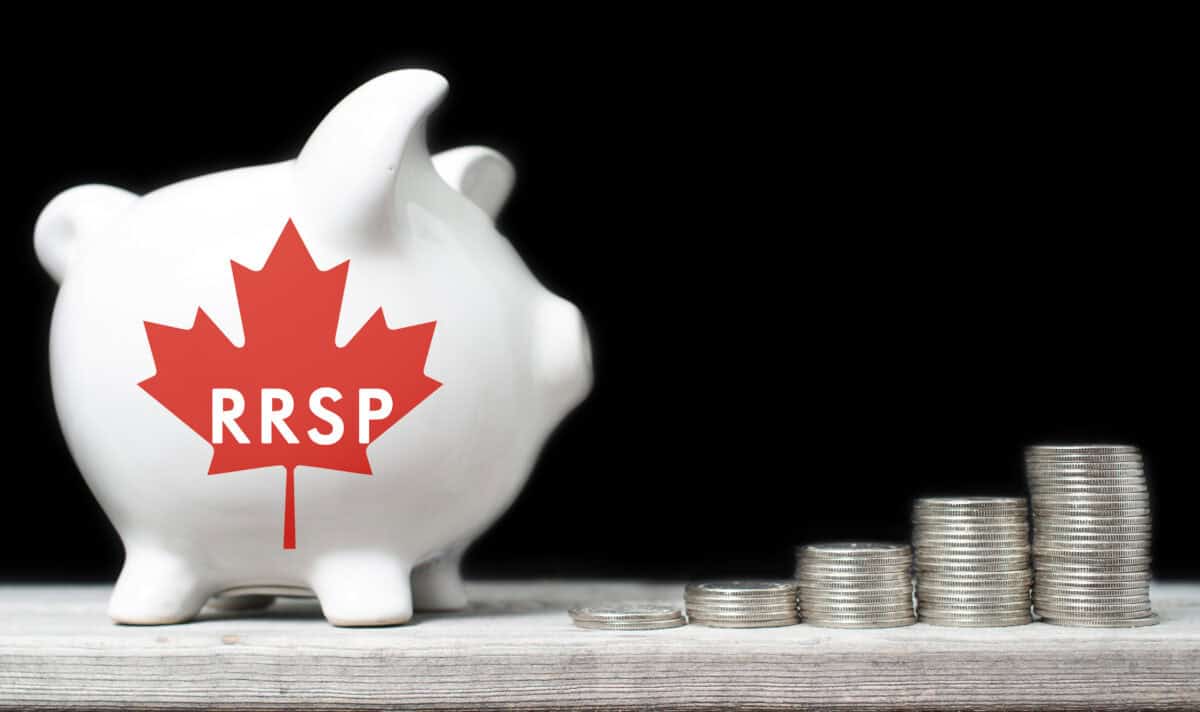
Another way to avoid paying dividend taxes to the IRS is to invest in an RRSP. Dividends from U.S. stocks are not taxed by the CRA or IRS when held inside an RRSP. The same is not the case with TFSAs – withholding taxes apply there.
Investing in an RRSP is probably the most realistic way to avoid paying dividend taxes to the IRS. It’s legal. It’s ethical. It doesn’t entail any bureaucratic red tape. Overall, it’s a good way to go.
Paying dividend taxes to the IRS: Foolish takeaway
On a concluding note, I should say that if paying taxes to the IRS is bothering you, it would be wise to remember all the great stocks we have here in Canada. If you look at a stock like Fortis Inc (TSX: FTS), you find a lot to love. The company is a regulated utility with near-monopoly status in many jurisdictions. It has a manageable payout ratio (72%). It has 51 years of dividend hikes under its belt. It’s a solid long-term performer. If you really must avoid U.S. withholding taxes, getting more names like Fortis in your portfolio is one way to do that. But overall, avoiding U.S. stocks is not necessary. With an RRSP and a collection of quality U.S. dividend stocks, you can avoid dividend withholding taxes entirely.