Retiring is not about exiting the workforce. Instead, it is about making your money work for you, and you work for yourself. If you notice, there is no official retirement age as such. The age of 65 is just a standard benchmark to start collecting government payouts like the Canada Pension Plan and Old Age Security. BMO’s 2026 Annual Retirement Survey found that one-third of Canadians feel they won’t have enough money to retire, and their retirement target is $1.7 million.
Is 65 really that big a deal?
Can I not retire at 40, return to the workforce at 45, and then retire at 70, or maybe 90, like Warren Buffett?
The choice is yours. The Tax-Free Savings Account (TFSA) helps you with flexible retirement.
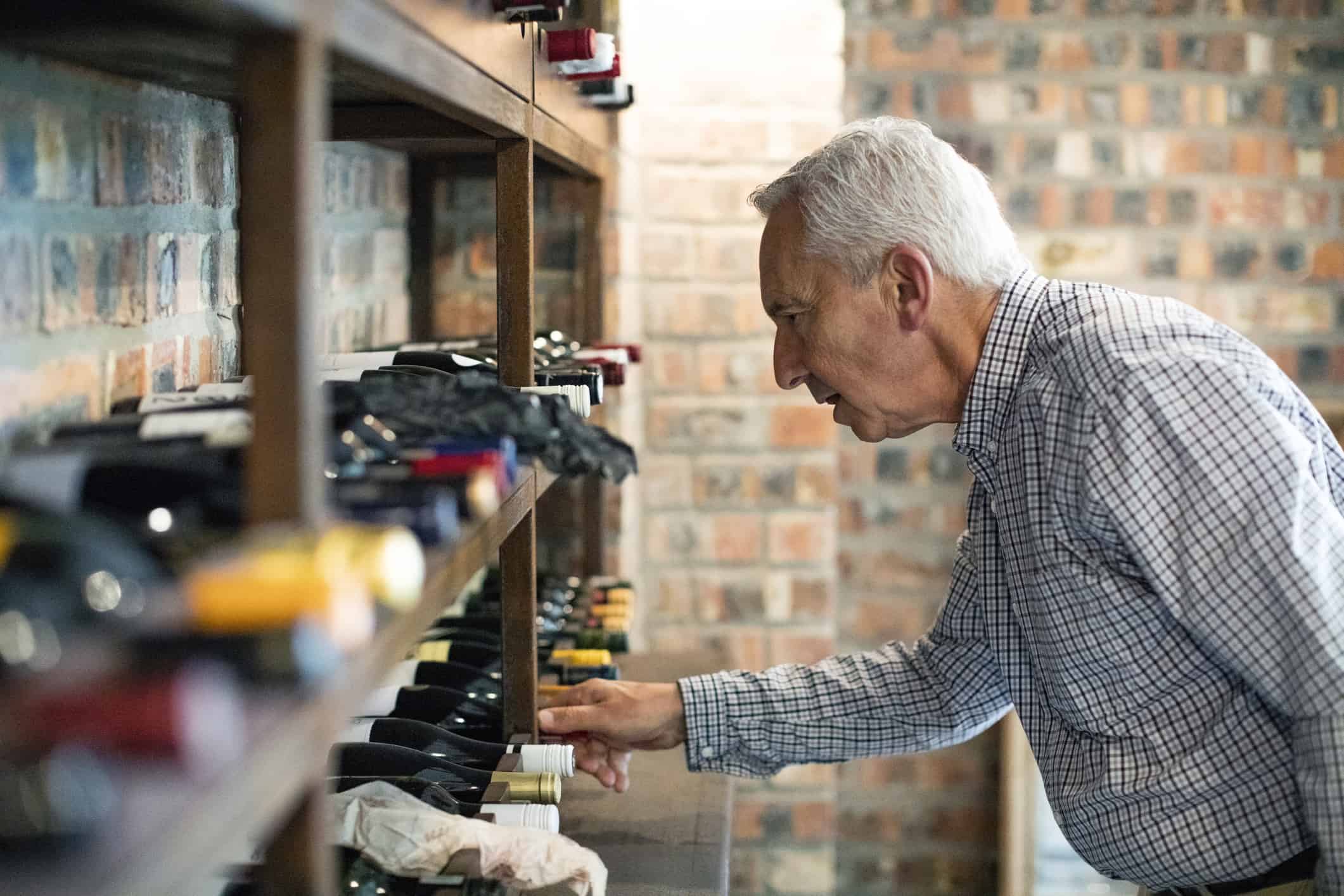
Image source: Getty Images
How the TFSA helps with flexible retirement
Firstly, unlike a Registered Retirement Savings Plan (RRSP), the annual TFSA contribution limit is the same for everyone and not dependent on your income. In fact, the TFSA contribution limit depends on your age.
Secondly, you can keep contributing to your TFSA till your last breath. There is no expiry of the TFSA, unlike the RRSP, which ends at age 70, and all your balance becomes taxable unless shifted to a Registered Retirement Income Fund.
Lastly, the most distinctive benefit of a TFSA is tax-free withdrawals at any time. If you have half a million in your TFSA, you can withdraw the entire amount or convert it into monthly payouts, and all of it is tax-free. Since you contribute after-tax income, there is no more tax once the amount is in the TFSA, provided you only contribute within the contribution limit.
An RRSP also allows withdrawals at any time, but those withdrawals are taxable. Your financial institution will withhold tax and give you the balance amount. Such distinctive features of the two accounts make the TFSA ideal for flexible retirement and the RRSP ideal for permanent retirement.
Speaking of flexible retirement, you can break your retirement pool into smaller goals. You can set a target of a $250,000 TFSA portfolio. When you achieve this target, you could take a temporary retirement, upskill or build a business or other income sources, or return to work, and build a bigger portfolio.
Being completely retired and fending off your savings is also a challenge. One needs to take risks at work, and when basic expenses are taken care of, risk-taking capacity increases.
How to build a $250,000 TFSA portfolio
The key to building a sizeable TFSA portfolio is to stay invested and compound rather than withdraw. Think of the TFSA as a wine cellar. A wine cellar is a storage space designed specifically to mature and preserve wines. Similarly, a TFSA is an investment account specifically designed for wealth creation. Its specialty is tax-free growth of investments. You can rebalance and reinvest in stocks within the TFSA, and its tax-free environment will preserve your money from taxation and help it grow.
The best stocks to invest early through a TFSA are long-term growth stocks that can help you build a sizeable tax-free portfolio if your investments generate significant growth. The significant proceeds can be converted into dividends by rebalancing capital growth.
Some stocks can grow your money 10 to 20 times, such as Bombardier, which underwent a turnaround; or Celestica, which hit the tipping point in the artificial intelligence (AI) wave. They no longer have the 10 times growth momentum but are still good enough to grow 2 to 3 times.
Two stocks with 10 times potential are Hive Digital Technologies (TSX:HIVE) and Ballard Power Systems. Hive started as a blockchain mining company, built data centres to mine Bitcoin, and later used its data centres to offer high-performance computing services on the cloud through its BUZZ platform. Hive is now converting its Tier 1 data centres to Tier 3, which can handle AI workloads. One thing bitcoin mining companies are good at is building data centres at an accelerated pace and low cost. Hive is currently working with BCE and is waiting for one hyperscaler customer.
Before surging over 2,500%, Celestica was also a small third-party manufacturer. But the AI boom and the first hyperscaler client triggered its 25 times growth. Hive presents similar potential.