There’s no question that high-yield dividend stocks can be some of the best investments to own for the long haul, especially if you’re looking to boost the passive income your portfolio generates.
However, as many savvy investors know, a high yield can also be a warning sign. Since dividend yields rise as share prices fall, some stocks only offer attractive yields because investors expect the payout to eventually be cut.
That’s why, rather than simply trying to buy Canadian stocks with the highest yields, it’s crucial to understand why the yield is elevated and whether the underlying business generates enough cash flow to support the dividend for years to come.
So, if you’re an investor looking for a higher-yield Canadian stock you can buy now and hold with confidence, here’s why South Bow (TSX: SOBO), which currently has a yield of roughly 5.8%, is one of the top names to consider.
Source: Getty Images
A reliable business supporting a high-yield dividend
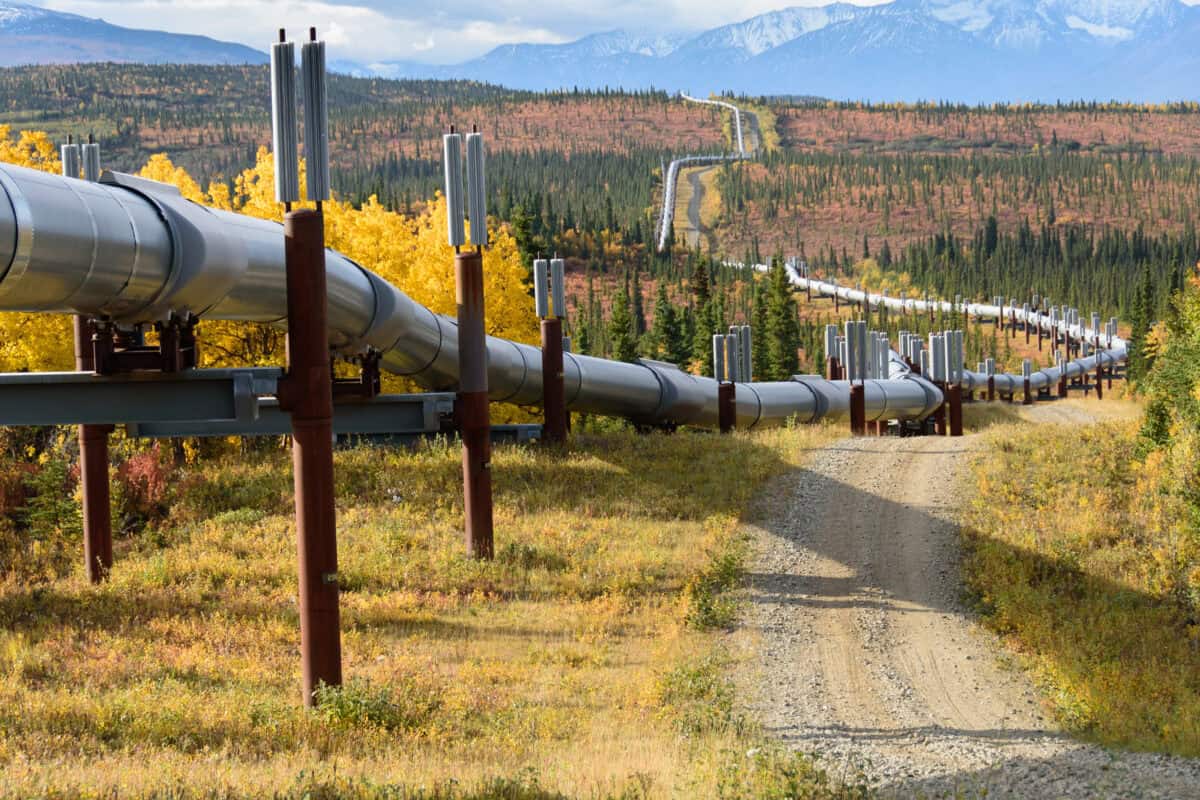
South Bow is a pipeline business that was spun out of TC Energy in 2024 and owns roughly 4,900 kilometres of liquids pipelines, including the Keystone Pipeline System.
Its network connects oil production in Western Canada with major refining markets in the United States, making it a critical piece of North American energy infrastructure.
And just like many infrastructure and pipeline businesses, the appeal for dividend investors is that South Bow doesn’t need oil prices to remain elevated to continue generating cash flow.
In fact, much of Keystone’s capacity is supported by long-term contracts, which helps make its revenue and cash flow far more predictable than those of an oil producer.
So, although South Bow won’t benefit as much when oil prices rise, it also isn’t as exposed when they decline, and that predictability is exactly why it’s an ideal stock for dividend investors.
That reliability was on display in the second quarter when South Bow generated US$175 million in distributable cash flow while paying just US$104 million in dividends. In other words, the payout used only about 59% of the cash available for distribution during the quarter.
Furthermore, after stronger-than-expected results in the first half of the year, management raised its 2026 distributable cash flow guidance to roughly US$665 million. Based on its current dividend, that would still result in a full-year payout ratio of only about 63%.
So, despite offering a yield well above 5%, South Bow has plenty of room to continue funding its dividend while also reducing debt and investing in future growth.
Why South Bow’s yield is still elevated
While South Bow is an ideal stock for investors looking for predictable cash flow and a higher portfolio yield, it’s still natural to wonder whether a yield approaching 6% is sustainable.
The main reasons investors may be cautious are that South Bow is still a relatively new public company, relies heavily on the Keystone system, and finished the second quarter with US$4.6 billion in net debt.
However, management has already been making progress on that debt. Its net debt-to-normalized earnings before interest, taxes, depreciation and amortization (EBITDA) ratio improved from 4.7 times at the end of the first quarter to 4.4 times at the end of the second.
South Bow also has meaningful long-term growth potential through its proposed Prairie Connector and Liberty Bridge projects. And while those projects are still subject to financing, regulatory approvals and a final investment decision targeted for the middle of 2027, the existing dividend doesn’t rely on them being completed.
Furthermore, management is targeting a net debt-to-normalized EBITDA ratio of four times over the medium term and has said it will consider dividend growth once its payout ratio comes down further.
So, if you’re looking for a high-yield dividend stock to buy now that can help boost the passive income your portfolio generates, South Bow is undoubtedly worth consideration.