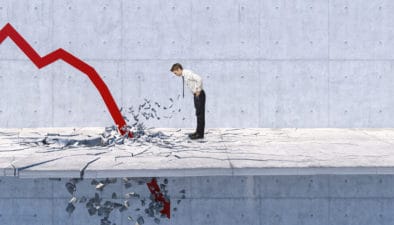
Predicting a global recession or depression is never easy. Of course, recessions such as the global financial crisis may seem obvious in hindsight. That’s especially the case given the debt levels which were present, the types of assets held by banks and the lack of understanding among regulators as to the extent of the risks being incurred.
However, at the time there were very few investors who could have imagined that the world economy would endure the difficulties it has faced in the last decade. While huge amounts of money have been pumped into the global economy via quantitative easing and interest rates have been ultra-low, the situation remains somewhat perilous.
The same old problems?
A key reason for the uncertain outlook of the global economy is high debt levels. In most developed countries they have worsened since the credit crunch, rather than improved. Governments and Central Banks in the US and across Europe have pumped vast sums of cash into their economies. While this has caused an improvement in their economic performance, it has left them ill-prepared for an economic crisis.
Similarly, consumers seem to have forgotten the pain which was evident across the developed world less than a decade ago. Personal debt has remained high, while savings rates have been stubbornly low. That’s at least partly due to the low interest rates on offer. They have meant that individuals and businesses which have maxed out on borrowings have held an advantage over their peers. As such, they are not in a financially strong position to face the inevitable tightening of monetary policy which is now underway.
A changing economic landscape
The US is the first major developed economy to start raising interest rates. Although they are still relatively low, they are expected to increase to around 1.5% by the end of the year. Similarly, in the UK inflation is expected to rise this year thanks in part to a weak currency, which could mean higher interest rates. Such changes could choke off the economic recoveries of both countries at a time when they face high degrees of uncertainty from a new President and Brexit respectively.
Similarly, the European economy continues to endure a highly challenging period. The French election is likely to lead to a less enthusiastic voice regarding the EU, while Italy seems uncertain regarding its future economic growth outlook. Meanwhile, China continues to transition towards a consumer economy, meaning that demand for many natural resources including coal and iron ore could fall in the coming months. As such, it seems clear that the world economy is undergoing a period of intense change at the present time.
A perfect opportunity?
In the minds of many investors, this could lead to fear and a feeling that the perfect storm is being created. A changing landscape plus a weak starting position for the developed world in particular mean that 2017 could prove to be a volatile and highly challenging year for global GDP growth. A recession cannot be ruled out.
However, this presents an opportunity rather than challenge for Foolish investors. The prices of high quality assets could decline in the coming months and create rare buying opportunities, which in the long run may deliver high returns. Although short term gains may be somewhat limited and paper losses seem likely, 2017 could be the year to buy and set your portfolio up for gains over the coming years.