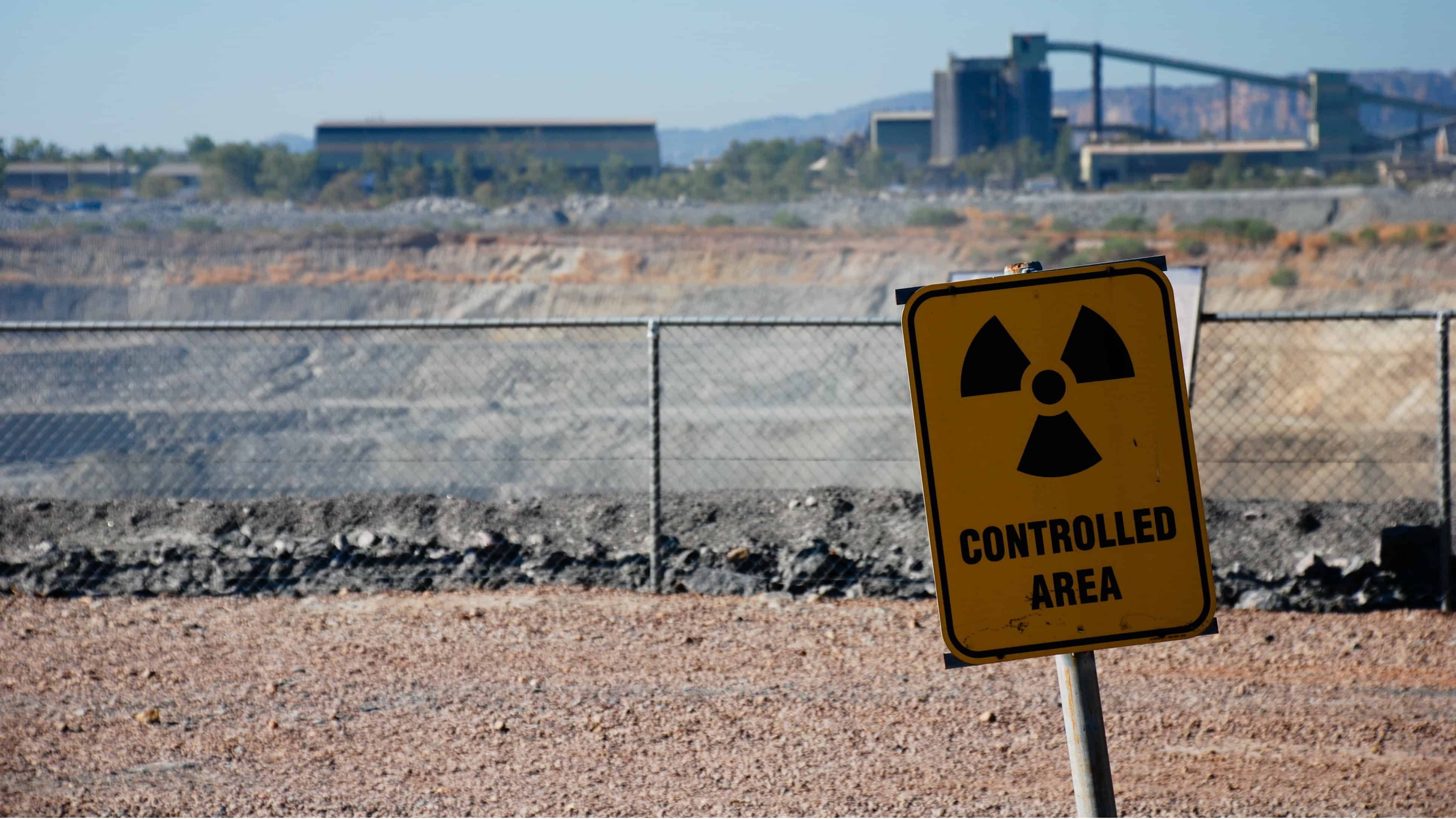
Beleaguered uranium miner Cameco Corp. (TSX:CCO)(NYSE:CCJ) made the decision last month to suspend operations in the McArthur River mine in Saskatchewan due to prolonged weakness in uranium prices. Now one of Cameco’s major competitors is following up with a similar announcement.
Why is there a weakness in uranium prices?
Uranium prices were averaging over US$65 per pound back in 2011, but when an earthquake triggered a tsunami that damaged the Fukushima reactor in Japan, demand for nuclear power across both existing and prospective nuclear customers effectively dried up instantly, leading to a drop in uranium prices.
That prolonged weak demand wasn’t met with a matching reduction in production, and, as a result, a supply glut was formed, which, much like the price shift, wasn’t immediately noticed due to the unique nature of uranium mining contracts.
Uranium is used primarily as fuel for nuclear power reactors, and contracts between the utilities and miners such as Cameco typically have locked-in or slow-moving rates that could span nearly a decade. This is a key reason that Cameco has largely avoided the immediate pain that precious metals miners witnessed when gold prices dropped from US$1,900 per ounce to sub-US$1,100 levels — Cameco was still locked in at much higher rates.
With the price weakness now approaching what is likely to be the seventh consecutive year, many of those locked-in contracts with higher rates are reaching maturity and will likely have newer rates that are much lower.
Uranium prices are now trading in the US$23 per pound range. While this is an improvement over the US$18 per pound that uranium traded at last year, it’s still significantly lower than what miners such as Cameco would want.
KazAtomProm follows suit with a production cut
KazAtomProm is the world’s largest producer of uranium. The state-owned company from Kazakhstan announced recently a production cut of 20% to be phased in over the next three years starting in January. The cut, slated for 2018, represents a whopping 4,000 tonnes, or, to put it another way, 7.5% of global uranium production slated for 2018.
When factoring in Cameco’s supply cut from the announced McArthur River mine, that translates into over 42 million pounds of uranium removed from the market over the next few years.
That type of a supply cut might be the catalyst the market needs to address the supply glut and provide some lift to stagnant uranium prices.
Will the uranium market recover?
There are several compelling reasons that could see the uranium market not only recover, but thrive. One of the first factors is demand. Nuclear power is a clean and inexpensive means to generate a lot of power. Both India and China have aggressive growth campaigns underway that are becoming increasingly reliant on nuclear power to meet those needs.
Looking beyond those two nations, other countries, such as Russia and the U.A.E. are also accelerating plans to build new reactors to meet the growing needs of their economies. Collectively, there are over 60 reactors currently under construction, 160 reactors planned, and over 300 more reactors in planning phases around the world.
Additionally, many of the over 400 reactors in operation around the world are nearing the point where they are being upgraded or replaced to meet new standards and growing demand.
Is Cameco a good investment?
While the uranium market will recover, it will not be recovering today, tomorrow, or anytime soon. The production cuts by both Cameco and KazAtomProm will provide upwards pressure on prices, but only after the existing supply gluts are cleared.
While the current situation keeps Cameco priced at discount levels, (despite the stock surging earlier this week) the attraction of purchasing at that still lower cost comes at the loss of any gains that would be invested somewhere else. At this point, there are far better investments to be made, even within the mining sector, over Cameco.