Silver market bugs are out in full force in February. After the super-spike of 2025 saw the white metal touch US$115 per silver ounce, the current pullback to the US$80 range looks like the bargain of a lifetime. It’s extremely tempting to think silver is now cheaper, and some hunch tells investors to “buy the dip” on silver mining stocks. Don’t do it before considering this historical and fundamental perspective.
Before you back up the truck on silver mining stocks, take a breath. While the silver squeeze narrative makes for great headlines, the cold, hard reality of the silver market and its extractive mining business is a lot less glamorous.
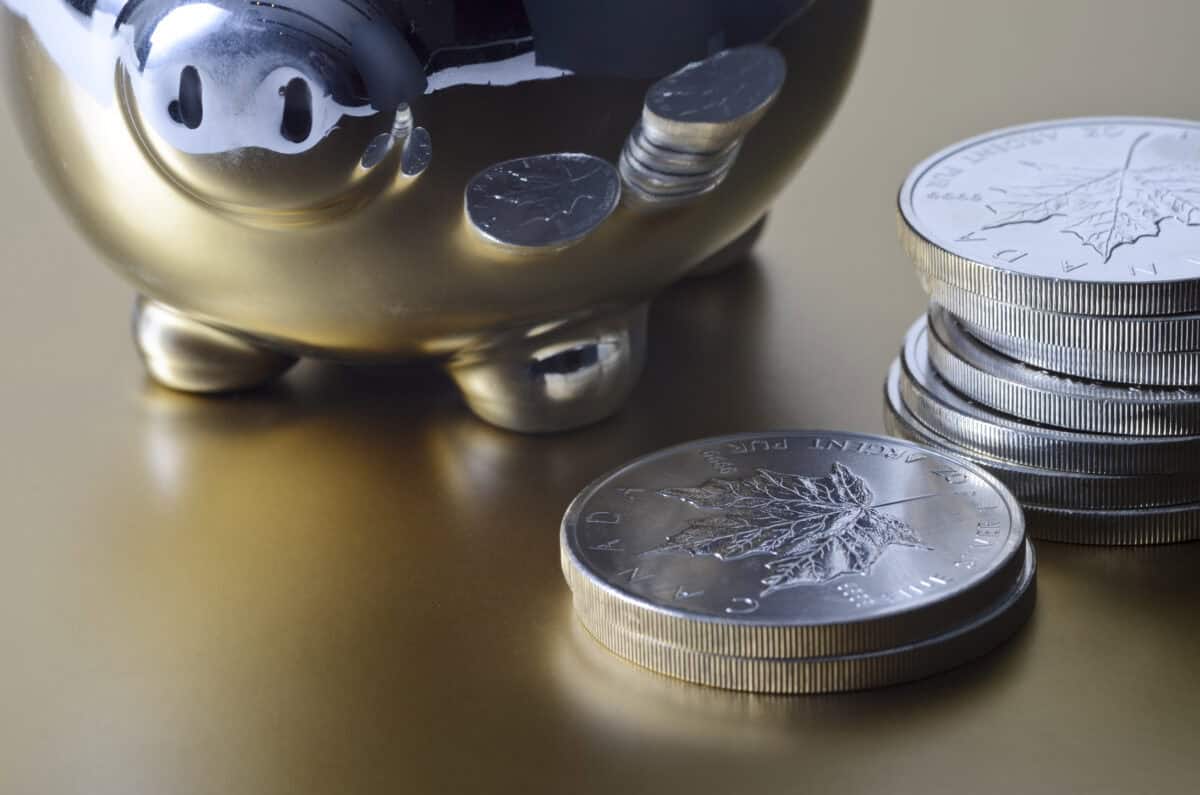
Source: Getty Images
The silver reality check in 2026 – A history of losses
One psychological trap investors frequently find themselves in is an “anchoring and adjustment” bias. Anchored on the recent high, we look at the sudden drop in silver prices and think, because it’s cheaper now, silver will rally back up to recent highs within a reasonably short time. That’s a dangerous assumption to base your trade on silver mining stocks.
With silver, the metal doesn’t guarantee mean reversion. The shiny metal has a scathing history of violent crashes, followed by decades of non-recovery. The silver crashes of 1980 and 2011 were followed by several years of futile recovery attempts. Investors who bought silver at first recorded peak in January 1980 could have endured losses for 31 years until May 2011. Following another silver crash in 2011, the metal only recovered back to prior peak levels in October 2025 – ending another 14 years of losses.
Silver Price History: 1975-2026. Silver has taken “too long” to reclaim all-time highs. Data by Koyfin.
The lengthy periods it took silver to recover to prior price peaks were too long for most individual investors’ intended investment horizons or holding periods.
Hopefully, 2026 will be different, but hope isn’t an investment strategy. And “this time will be different” is also a financially risky statement to make when entering a new trade.
If you’re looking to build long-term wealth, here is why you might want to keep your powder dry for just a little longer.
The operating leverage double-edged sword
Investors flock to silver mining stocks like First Majestic Silver (TSX: AG) or Hecla Mining (NYSE: HL) stock because they are leveraged to silver metal prices. If silver moves 10%, a well-run miner’s stock might jump 30%. First Majestic Silver stock generated 58% of 2025 revenue from silver. In a recent investor presentation on February 19, 2026, management pointed to the stock’s historical high Beta to silver of 2–3 times as a key technical attribute of AG stock.
The leverage to silver is a beautiful thing on the way up. The returns are nice as silver goes up. First Majestic Silver stock has generated a 346% total return during the past year.
But leverage is a sharp-edged sword on the way down.
When the spot price of silver drops from US$115 to US$80, the miners’ All-In Sustaining Costs (AISC) don’t drop with it.
Throughout 2025, we saw labour, energy, and equipment costs hold stubbornly high. Silver mining costs are rising, and First Majestic Silver expects AISC to rise from US$21.17 per silver equivalent ounce in 2025 to between US$26.15 and US$27.91 for 2026. If a silver miner’s cost to pull an ounce of silver out of the ground stays up, and the price drops by 30%, its profit margin doesn’t just drop 30%; it can be sliced in half or wiped out entirely.
Is First Majestic Silver stock any better?
Encouragingly, First Majestic Silver’s operating margins aren’t at risk yet. The company had yet to realize silver prices in triple-digit ranges. It reported record revenue, earnings, and cash flow in February as realized prices for 2025 rose 47% to US$41.52 per silver equivalent ounce. Realized prices increased by 91% year-over-year to US$58.96 an ounce during the fourth quarter of 2025, and current silver prices in the 80s promise another record quarter for AG stock this year.
That said, quoted silver market prices have been far higher than realized prices. It’s advisable that investors don’t buy the metal price, but the realized margin. First Majestic’s margins have improved lately. However, until we see silver mining stocks prove they can keep costs down as market prices swing, the “leverage” you’re buying could translate to downside risk if silver suffers its “usual” multi-year dips.