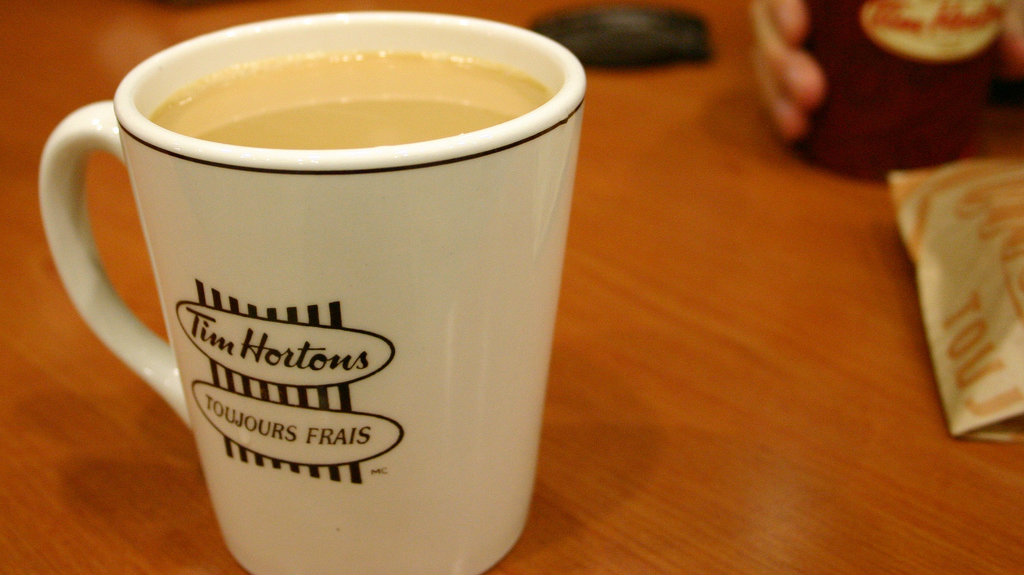
The risk factors that come with investing in any sort of company that owns or controls brands vulnerable to perception-related concerns are risks that investors should not take lightly. The recent movement among some consumers to boycott the Tim Hortons’ brand has left some Restaurant Brands International Inc. (TSX:QSR)(NYSE:QSR) investors worried that those perceptions may eventually hit the bottom line of Restaurant Brands in light of ongoing disputes between the franchisees of select Tim Hortons’ locations and consumer grievances that have largely been pushed aside by head office.
One important metric often looked at by investors and analysts in the retail space is growth in a company’s same-store sales. By generating operational efficiencies and continuing to drive a unique value proposition, increasing same-store sales is often seen as a growth indicator that will propel a company forward in times of slow new-store growth. Over the past four quarters, Tim Hortons’ same-store sales have remained flat or declined slightly, leading some to be concerned about how recent events may shape Restaurant Brands’ profitability moving forward.
Many analysts covering Restaurant Brands suggest that the impact of any boycotts or franchisee-related concerns is likely to be short-lived, although concern remains that franchisees looking to launch new Ontario-based Tim Hortons’ locations may hold off on doing so, thereby leading to a potential material decline in new-store sales in the near-term.
While the Tim Hortons’ brand continues to expand, with new locations being planned in geographic locations that should diversify the brand globally, the reality is that analysts look at same-store sales to determine the long-term growth trajectory of a given company. Opening new stores is great, but how a company continues to improve efficiencies and garner increased sales from its existing stores is seen as indicative of bottom line growth and profitability over the long term.
Restaurant Brands’ revenue stream comes largely in the form of franchise-related revenues, meaning its top and bottom lines are less susceptible to short-term events such as minimum wage increases in specific Canadian provinces or specific regions globally. That said, if same-store sales decline for a long enough period, the number of cups that Restaurant Brands will be able to sell to its Tim Hortons’ franchisees, for example, could potentially hit the parent company where it hurts.
Bottom line
Volume continues to be the name of the game for companies operating franchise models that rely on a vast network of retail stores; investors in Restaurant Brands therefore need to realize that when it comes to the company’s bigger picture — a company with a significant global network of quick service locations that will not be affected by these short-term concerns. Concerned investors should look at same-store sales numbers for all three of the company’s primary brands (including Burger King and Popeye’s Louisiana Kitchen) as a better indicator of how the company is likely to perform over the long term.
Stay Foolish, my friends.