The biggest news from Apple‘s (NASDAQ: AAPL) most recent iPhone event wasn’t the hardware and services Tim Cook and company featured on stage at the Steve Jobs Theater. It was the prices Apple chose to sell them for.
The new iPhone 11 will start at just $699, $50 less than what its predecessor, the iPhone XR, debuted at last year. What’s more, last year’s model will get a $150 price cut to $599, and the iPhone 8 now costs just $449. That stands in stark contrast to last year, when it appeared Apple was on a path to higher overall prices after the success of 2017’s iPhone X.
As to the factors behind the decision to move in the other direction with iPhone pricing, the tech giant gave two big hints during the presentation.
The iPhone XR outsold the iPhone XS
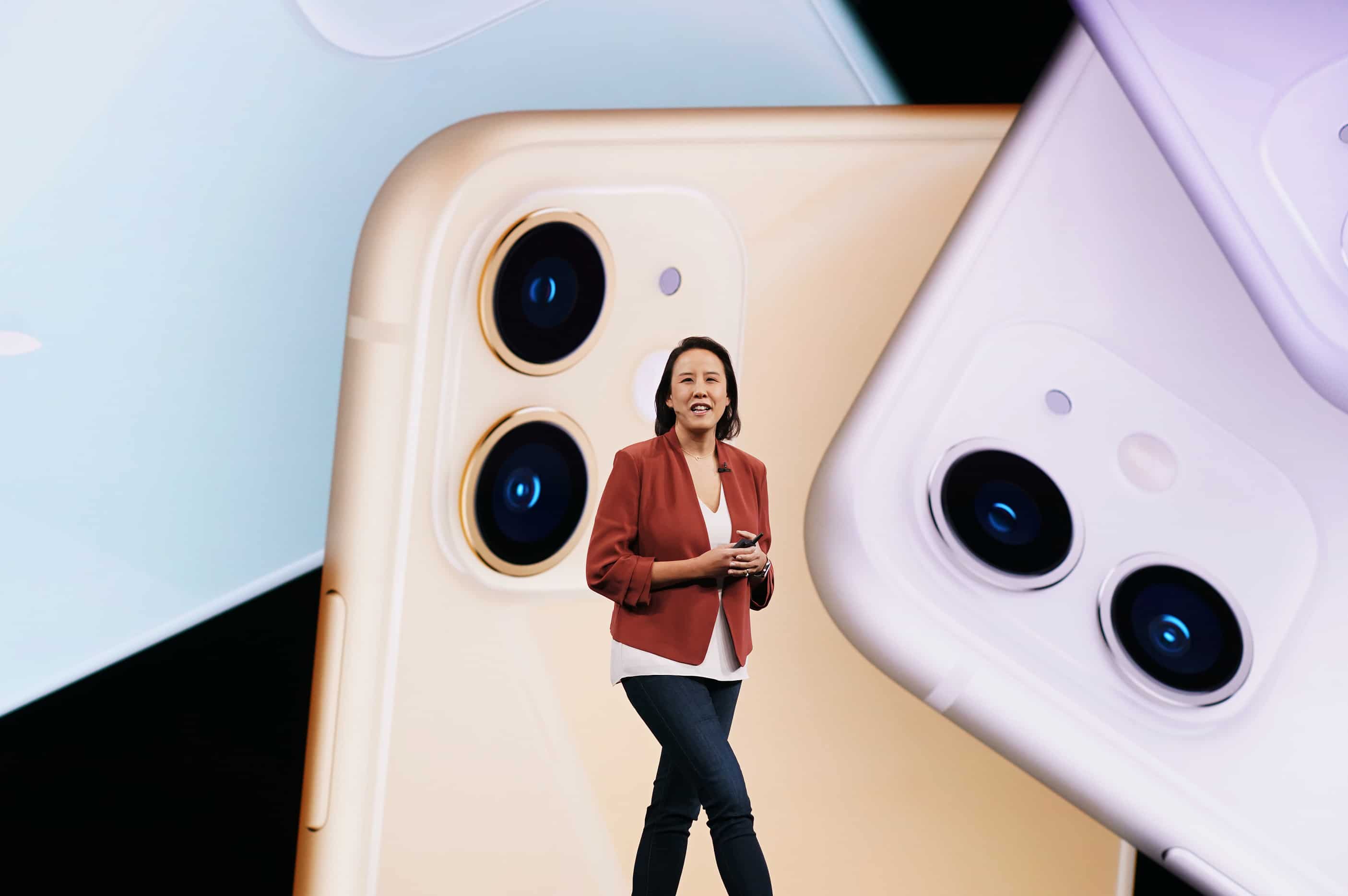
During the introduction of the iPhone 11, Apple CEO Tim Cook announced the iPhone XR was the company’s most popular iPhone model over the last year. That may be why Apple changed the naming structure of its devices to make the “11” the model it expects to be its best-seller this year and give the higher-end phones a name that indicates that they’re something more than average.
The strong iPhone XR sales are notable because they indicate consumers are OK with not getting the top-of-the-line iPhone. The XR, despite one fewer camera lens and an LCD screen instead of an OLED screen, still sold better than its sister models. Consumers merely want an iPhone, and price is now an important factor in determining which model they buy.
That demand is higher for the less expensive iPhone indicates the product is, in fact, subject to the laws of economics; Apple sells more devices at a lower price point compared to a higher price point. That suggests Apple should see even greater unit sales by slashing prices a bit further, which may even lead to greater overall revenue.
Apple has increasingly focused on its installed base over the last few years. If it wants to grow that number as big as possible, lower prices are its most straightforward path.
Two important new services priced for scale
Apple announced several new services back in March, but it kept the pricing of Apple TV+ and Apple Arcade under wraps until its September event. Both services are priced at just $4.99 per month. Apple also announced that anyone who buys a new iPhone, iPad, or Apple TV will get a free year of its new subscription video-on-demand service.
Both Apple TV+ and Apple Arcade are fairly unique services for Apple in that they have relatively fixed costs. The company is reportedly investing about $6 billion in original video content for Apple TV+ and another $500 million in mobile games for Apple Arcade. By comparison, Apple’s costs for its music service grow in line with subscription revenue, and costs for Apple Care or iCloud grow alongside the number of customers using the service.
Apple TV+ and Apple Arcade are, therefore, uniquely positioned to benefit from scale. Once subscription revenue grows beyond content spend, marginal revenue flows almost entirely to Apple’s bottom line. In order to reach that level of scale, Apple is slashing iPhone prices to increase demand for new iPhones.
Apple is betting big that the low pricing for both the new services and the new iPhones will have a symbiotic effect in growing subscription revenue and creating more loyal customers. Lower iPhone pricing is subsidized by greater subscription revenue. Likewise, low subscription prices are subsidized by greater device sales because, when it comes time to buy a new phone, Apple’s subscriptions will likely lock more customers into the Apple ecosystem.
The fact that more customers bought the iPhone XR last year than Apple’s flagship model is a strong indication that lower prices will lead to greater unit sales. And the more iPhones in consumers’ pockets, the more subscribers Apple is likely to sign up for its services that benefit most from scale.