The race to $1 trillion in market capitalization has been well documented, as some of the nation’s biggest technology companies have flirted with that milestone in the past 18 months.
Apple (NASDAQ: AAPL) was the first to achieve it in early August 2018, flirted with the artificial milestone through November 2018, but then fell in value before hitting the mark again in the middle of last week. Apple is hoping this one lasts a little longer. Shares for the tech giant quickly came under pressure in the days that followed, as investors and analysts digested all the information from Apple’s product launch on Sept. 10, and the price dipped. But the stock is back up again and the market cap is now hovering right around $1 trillion.
So what’s behind the rise and fall and rise again of Apple’s market cap in such a short time frame?
First, the good news
For years now Apple has chosen early September as the time to roll out new products and services. After all, the holidays are mere months away, and who doesn’t want a new iPhone or iPad as a gift?
But Apple also used this year’s event in the Steve Jobs Theater at the company’s Cupertino, California, headquarters to tout its upcoming streaming-content service Apple TV+, and its gaming service Apple Arcade. To stand out from the growing number of competitors, it announced a $4.99 monthly subscription fee for both services. It also said that if you buy a new Apple device you get a one-year subscription to Apple TV+ for free. That was well received by the legions of fans who attended the event in person or watched a live stream of the event.
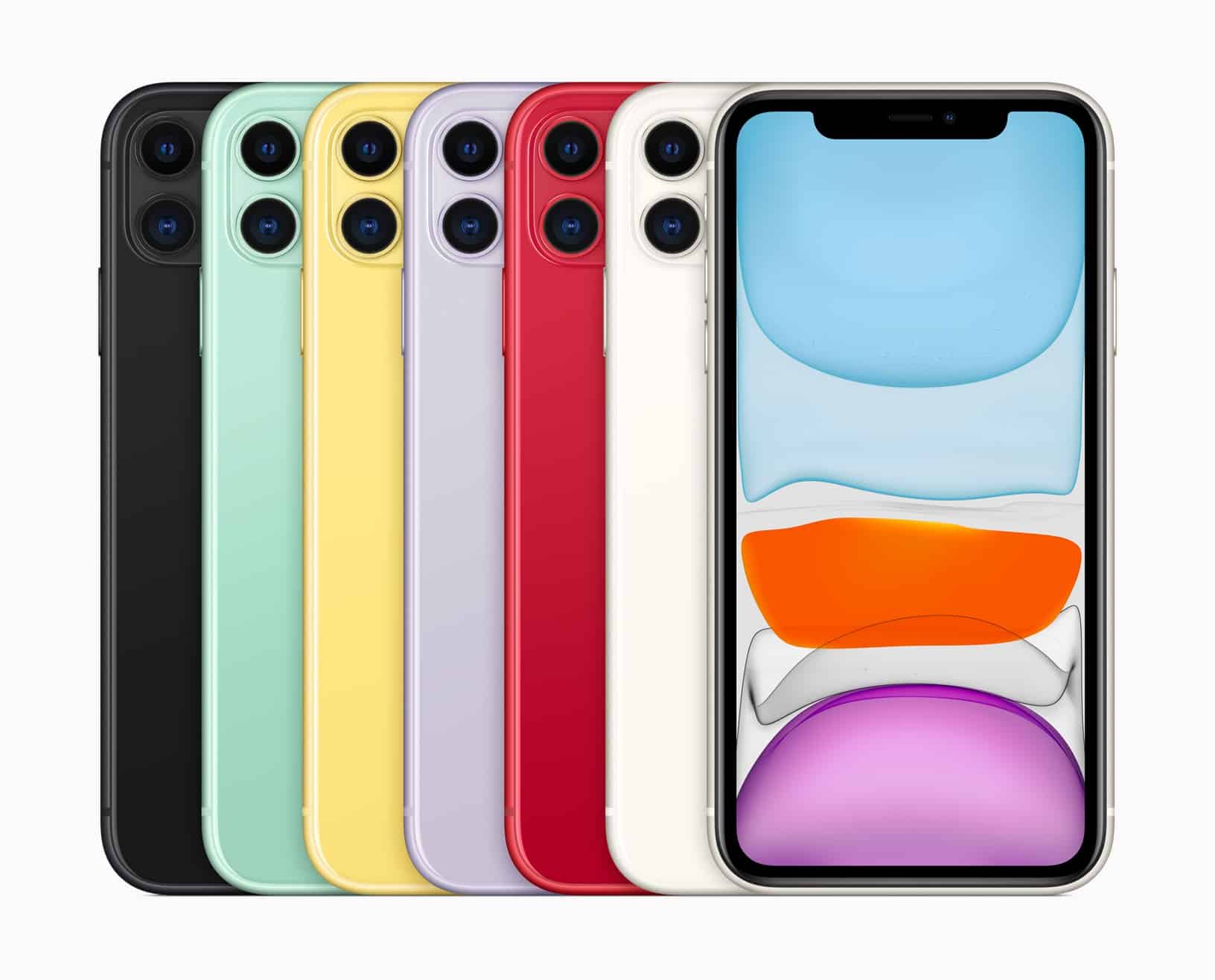
Add the iPhone 11, the iPhone 11 Pro, and the iPhone 11 Pro Max to the mix, and you can’t blame investors for getting giddy. With iPhone sales becoming sluggish here and in China, giving consumers reasons to upgrade is important to Apple’s finances. It didn’t hurt that the basic version of the iPhone 11 is priced at $699, lower than previous iPhone launches. One of the knocks on Apple is that its iPhones are simply too pricey; consumers are less inclined to throw down $1,000 or more for a mobile device unless it gives them a completely new experience.
Apple also unveiled a new iPad, an upgraded iPadOS (operating system), and the next version of the Apple Watch. All these devices have advanced technology, longer battery lives, and eye-catching colors and designs. Enthusiasm around its new devices and services sent shares of Apple climbing, and it’s market cap followed suit, rising above the $1 trillion mark.
Then some bad news dissipates enthusiasm
But then on Friday, Sept. 13, Goldman Sachs’ analysts weighed in, and some of that euphoria dissipated. In a research note reported on by MarketWatch, analyst Rod Hall cut his price target on Apple to $165 from $187 and maintained his neutral rating. The reason for his move: Apple TV+.
The way the analyst sees it, Apple is making a big mistake by pricing its content service at $4.99 a month; he argues that it will hurt earnings. He said the one-year free trial will lower the average selling prices (ASPs) for Apple’s devices, and thus its margins, even if it achieves higher services revenue.
“Effectively, Apple’s method of accounting moves revenue from hardware to services even though customers do not perceive themselves to be paying for TV+,” Hall wrote in the research note to clients. “Though this might appear convenient for Apple’s services revenue line, it is equally inconvenient for both apparent hardware ASPs and margins in high sales quarter[s],” like the upcoming holiday quarter (the first quarter of fiscal 2020). The analyst warned fiscal Q1 earnings results could be “materially” lower than forecast.
Apple quickly pushed back on that assessment, saying in a statement to CNBC that the pricing of Apple TV+, including the one-year free trial, won’t have a material impact on its financial results.
What it all means
Apple’s response appears to have been enough to calm some nervous investors. As of Wednesday morning, Apple’s market cap stands right around $1 billion with shares trading at $221.64. It’s still the second-highest-valued tech company behind Microsoft, with a market cap of $1.05 trillion; Amazon is a distant third, with a market value of $900 billion.
While reaching $1 trillion in market capitalization makes for good headlines and dinner party conversations, in the grand scheme of things it’s nothing more than an artificial milestone. Consider the case of U.S. Steel, for example. Around the turn of the 20th century, it was the first company to achieve a market capitalization of more than $1 billion. But in the decades following that milestone, a slew of companies achieved much higher market capitalizations and have far surpassed it. Apple will forever be known as the first company to reach $1 trillion in market cap, but if consumers aren’t buying its future products and consuming its services, it won’t matter too much if once upon a time it was valued so richly.