U.S.-listed Chinese stocks slumped last Friday after several media outlets, all citing unnamed sources, declared that the White House was mulling new restrictions on U.S. investments in China — including the delisting of Chinese stocks or barring U.S. government pension funds from investing in Chinese companies.
Shortly afterward, U.S. Treasury spokeswoman Monica Crowley told Bloomberg in a report over the weekend that the Trump Administration was “not contemplating blocking Chinese companies from listing shares on U.S. stock exchanges,” but didn’t comment on any other potential restrictions.
Therefore, investors in big Chinese companies like Alibaba (NYSE: BABA) and Baidu (NASDAQ: BIDU) shouldn’t scramble to the exits yet. Let’s take a more level-headed look at the situation and see what investors should actually expect.
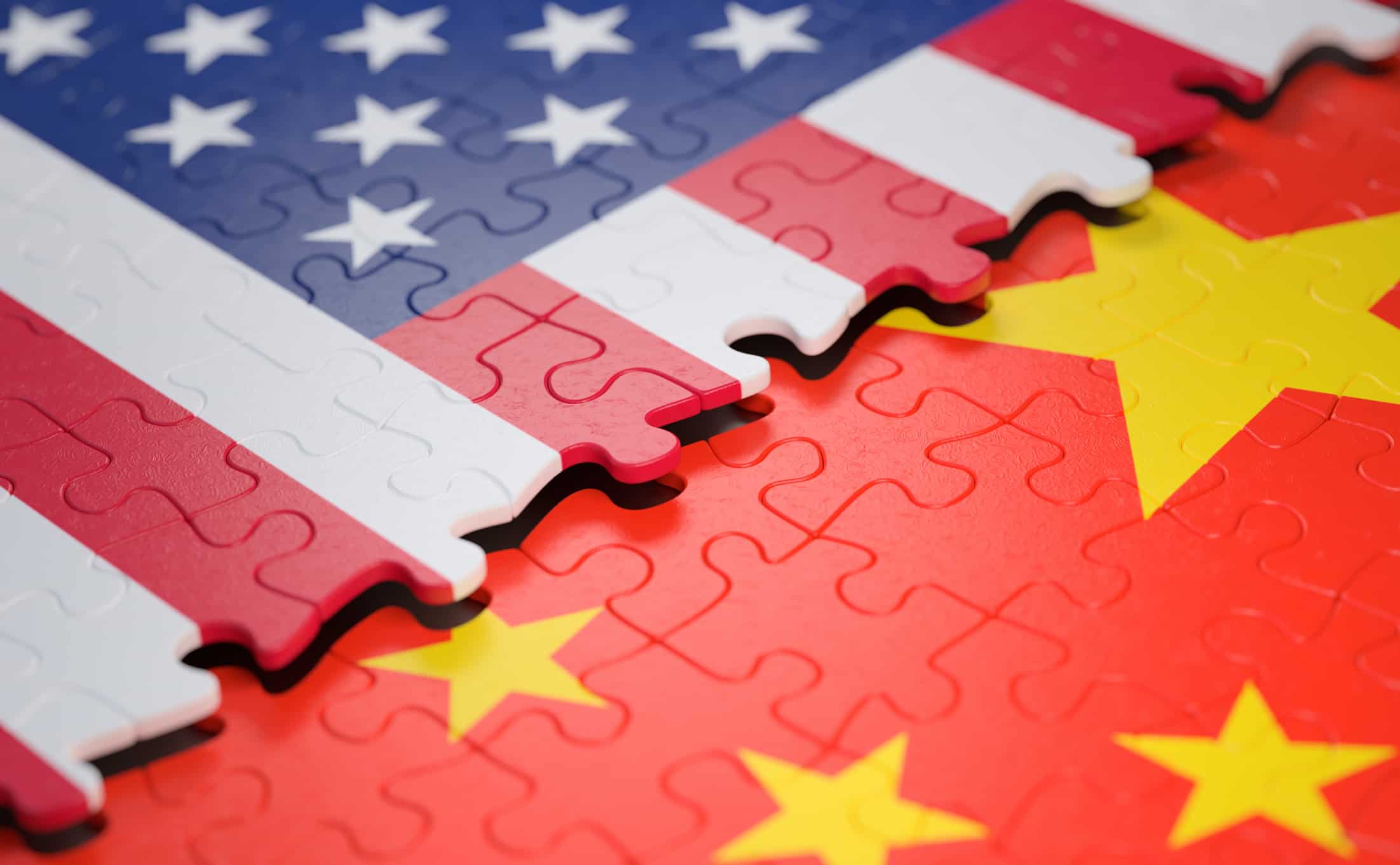
The main problems with Chinese stocks
Proponents of banning Chinese companies from U.S. exchanges often cite several major concerns.
First, China blocks direct foreign investment in “sensitive” industries like internet, education, and state-backed enterprises. However, it allows these companies to set up offshore holding companies called VIEs (variable interest entities) which are owned and controlled by Chinese citizens.
So when a “Chinese” company goes public in the U.S., it’s actually the VIE, which owns a stake in the Chinese company, that sells its shares to U.S. investors. This prevents U.S. investors from directly owning a stake in the Chinese company (or acquiring any voting power), but allows them to profit from its growth.
Chinese companies don’t allow U.S. auditors to audit their financials. China claims that opening up those books, especially for state-owned enterprises, would reveal too much information about the country’s finances.
That doesn’t inspire much confidence since many tiny Chinese companies — with the help of lesser-known Wall Street firms — previously went public through reverse mergers with defunct U.S. companies that still had listed stocks. Many of those fraudulent companies issued fake financial reports which were never audited, and investors incurred massive losses when the stocks were finally exposed and delisted.
Lastly, Chinese companies have a habit of raising cash in U.S. markets, going private to delist their own stocks, then filing new IPOs at higher valuations in Chinese markets. The Security and Exchange Commission, which is expected to protect investors from these bad actors, has done little to address any of these issues.

Image source: Getty Images.
Taking a realistic approach
Those issues all need to be addressed, but blocking all Chinese companies from U.S. exchanges is an impractical solution that could cause serious problems.
Many U.S. investors, companies, and funds own shares of Chinese companies. Baidu’s top institutional shareholders include the American investment giants BlackRock (NYSE: BLK), which owns more than 5%, and The Vanguard Group, which owns nearly 4%. BlackRock and Vanguard also hold roughly 5% and 3% stakes, respectively, in Alibaba. Forcing U.S.-listed Chinese stocks off the market would cause significant pain for Blackrock and Vanguard’s funds while hurting other institutional and retail investors.
Targeting Chinese companies is also difficult because of the VIE structure. Baidu and Alibaba’s VIEs are both incorporated in the Cayman Islands, not China. Therefore, any move to delist those “Chinese” stocks would likely bar other overseas companies from listing their shares in the U.S. Foreign companies, especially those in other American tariff-targeted regions like Europe, would likely think twice before listing in the U.S.
The Trump Administration and the SEC also don’t have the power to delist a stock. For a stock to be delisted, an exchange (like the NYSE or NASDAQ) flags a company for a violation of its rules, then the SEC approves the delisting. Common violations include unpaid exchange fees, the value of a stock dropping below $1, and fraudulent filings.
It’s hard to justify striking big Chinese stocks like Baidu and Alibaba from U.S. exchanges based on those rules alone. Instead, introducing tighter rules to regulate VIEs and asking Chinese companies to allow external audits make more sense as a negotiating tactic in the trade war.
What should investors expect?
I personally think all this sound and fury will signify nothing since the U.S. can’t force all Chinese stocks off U.S. exchanges without significantly hurting U.S. investors and repelling other foreign companies. In a worst-case scenario, the delisted Chinese stocks will likely carry on in the OTC markets or exchanges in other countries. Therefore, investors should simply ignore this latest round of saber-rattling and focus on the individual companies’ fundamentals.