Buried inside Apple‘s (NASDAQ: AAPL) earnings conference call last week was an announcement that most investors and consumers probably paid little attention to. CEO Tim Cook announced that the Cupertino tech company is preparing to roll out a way for consumers to finance iPhone purchases with Apple Card, the credit card that Apple launched in partnership with Goldman Sachs (NYSE: GS) earlier this year. In characteristic hyperbolic fashion, Cook even went as far as to call the debut “the most successful launch of a credit card in United States ever.”
That might give the famed investment bank, which has been expanding into consumer credit, exposure to this $18.5 billion market.
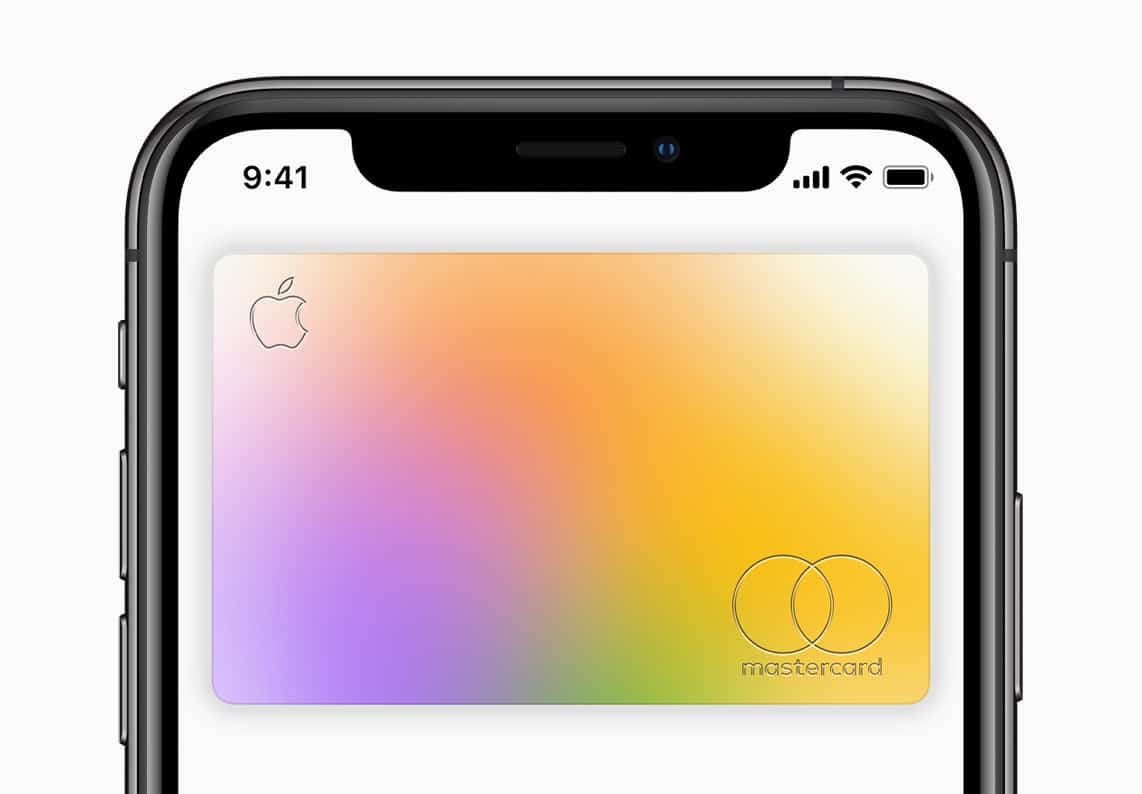
Paying for your iPhone with the credit card that lives in your iPhone
The financing offer will be structured nearly identically to the installment plans that the major carriers offer to buy smartphones: Customers can pay off that shiny new iPhone over the course of two years with 0% financing. The service is designed with convenience in mind, offering a seamlessly integrated way to buy an iPhone while spreading out the cost.
It’s important to note that the offer won’t have a material impact on Apple’s accounting, as the company is not the one providing the financial backing. As the issuing bank for Apple Card, Goldman Sachs will play that role. That’s similar to the iPhone Upgrade Program that Apple launched in 2015; the company outsources the underlying financing of the iPhone Upgrade Program to Citizens One, a subsidiary of Citizens Financial.
In doing so, Apple is still able to recognize the related iPhone revenue up front without having to defer those sales.
Installment plans are a big business
Thanks in large part to T-Mobile‘s Un-carrier transformation, the domestic wireless industry has evolved significantly over the past five years, shifting away from the subsidy model of yore to installment plans that serve the same purpose. Carriers leverage installment plans as a potent tool to tether customers, as those outstanding balances come due if a customer decides to cancel their plan in order to switch to another carrier.
Carriers take those installment plan receivables, package them, and sell them to bond investors in the form of asset-backed securities (ABS). ABS rightly earned a bad reputation during the financial crisis, but there’s far less risk to the global economy when we’re talking about securitizing a $1,000 phone that will be paid off in two years compared to a $2 million home to be paid off over 30.
Verizon had the first public smartphone-backed bond offering back in 2016, and the market has been booming ever since. Securitizing equipment-related receivables helps carriers improve cash flow while isolating the credit risk and protecting corporate credit ratings. As of the third quarter, here are the equipment-related receivables that the carriers have on their balance sheets.
| Carrier | Equipment-Related Receivables (Q3 2019) |
|---|---|
| Verizon (NYSE: VZ) | $10.5 billion |
| AT&T (NYSE: T) | $4.4 billion |
| T-Mobile (NASDAQ: TMUS) | $2.4 billion |
| Sprint (NYSE: S) | $1.1 billion |
| Total | $18.5 billion |
Data source: SEC filings.
The forthcoming offer could potentially hurt customer retention at carriers, to the extent that iPhone buyers choose to finance those purchases with Apple Cards instead of carrier installment plans.
The iPhone Upgrade Program didn’t seem to impact carriers much one way or the other. Let’s see if the new Apple Card offer does.