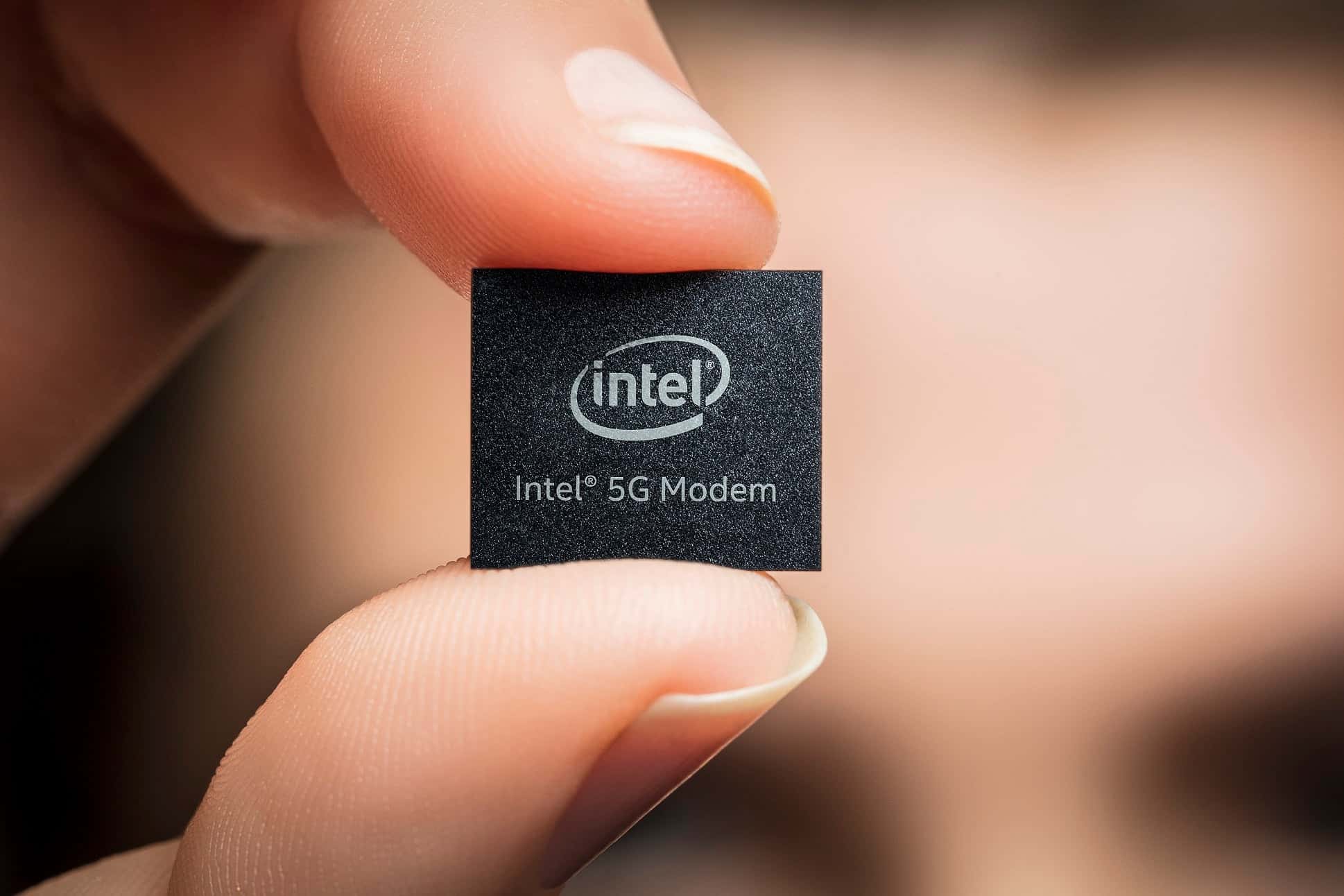
Over the summer, Apple (NASDAQ: AAPL) acquired the bulk of Intel‘s (NASDAQ: INTC) smartphone modem business in a $1 billion deal that will accelerate the timeline for Apple’s in-house 5G modem. That transaction was precipitated by Apple settling its legal war with Qualcomm (NASDAQ: QCOM), which was followed by Intel announcing it was abandoning the 5G modem market.
The Cupertino tech giant is now the owner of numerous cellular standards-essential patents (SEPs). Any entity that owns SEPs is expected to license out the intellectual property (IP) on a fair, reasonable, and non-discriminatory (FRAND) basis. This week, Apple published a statement committing to doing exactly that.
The pros and cons of standardization
Even though Apple has settled with Qualcomm and inked new multiyear licensing and chipset supply agreements, it still seems that the Mac maker is taking jabs at the mobile chip giant.
“Standardization is beneficial when it advances marketplace cooperation and interoperability, allowing consumers to have confidence that products reliably interact with other products,” Apple writes. “Yet it can also lead to problems when companies use the power conferred by standardization to eliminate competition through selective patent licensing or discriminatory and excessive royalties.”
Apple’s initial complaint in early 2017 that kicked off the legal conflict with its longtime supplier focused very heavily on Qualcomm’s licensing practices, which Apple alleged were anti-competitive. “For nearly ten years, Qualcomm has failed to offer Apple a license for its cellular SEPs on FRAND terms,” Apple argued at the time.
Apple says that “the marketplace continues to suffer from a lack of consistent adherence” to FRAND licensing principles, especially when it comes to cellular standards.
“In light of Apple’s acquisition of the majority of Intel’s smartphone modem business, including a significant number of cellular SEPs, the time is right to reiterate Apple’s FRAND licensing principles on industry standards,” the company writes. “Consistent with evolving case law, Apple is committed to these core principles to promote fair, reasonable, and non-discriminatory licensing of SEPs.”
Bundling is bad
In the statement, Apple criticizes the practice of bundling patents together for licensing purposes. That’s another clear shot at Qualcomm, which offers licenses to a broad portfolio of SEPs.
From the original lawsuit:
Qualcomm’s licensing practices are premised on every licensee taking a license to a large, but unspecified, number of patents — an entire portfolio. By leveraging the “thicket,” Qualcomm attempts to avoid the patent-by-patent analysis that is ordinarily required for any licensing demand, instead hiding behind the sheer volume of its patent portfolio to extort royalties from potential licensees.
SEP licensors shouldn’t be able to force portfoliowide licenses on licensees, in Apple’s view.
Injunctions should be a last resort
At the height of the legal tensions, Qualcomm had pursued trade injunctions all around the world, seeking to block the import of iPhones since it alleged that Apple was improperly infringing its SEPs. Qualcomm was able to successfully secure injunctions for specific iPhone models in certain markets like China and Germany.
Licensors should never resort to such tactics “except in very rare circumstances,” Apple argues, since those types of threats distort FRAND negotiations. In cases of SEP infringement, Apple believes that monetary damages “provide a sufficient remedy.”
The Mac maker concludes, “As both an innovator and an implementer of standardized technologies, Apple remains committed to these core FRAND principles, now and in the future.”