The coronavirus changed the investment landscape in 2020 that even the GOAT (greatest of all time) of investing was caught off-guard. Warren Buffett is not a magician, yet everyone is wondering if the goat can pull a rabbit out of his hat. The billionaire investor is fearful but might spring a surprise and do a hat trick soon.
Impeccable track record
Berkshire Hathaway was the symbol of stability for five decades. Buffett’s conglomerate has attracted mostly high-quality shareholders. These people bought into the value investing approach for long-term results. This shareholder base was with him every step of the way.
Today, however, Buffett’s empire is shaking. The value of Berkshire’s stock portfolio is shrinking. The company sold Buffett’s hand-picked equities, particularly airline stocks, and posted a net loss of nearly US$50 billion.
Anticipating a hat trick
Over the past four years, Buffett did not find a large company worth buying. Instead, he amassed stocks that passed his criteria. But some of the choices before is tarnishing his image. The future prosperity of his shareholders is under threat. Will they walk away this time?
Notwithstanding the speculations, Berkshire Hathaway still has US$137 billion in the war chest. It is for this reason that people are anticipating Buffett’s next moves. He might perform a hat trick in the second half of the year.
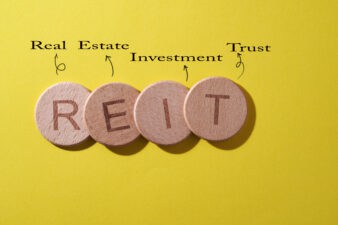
Berkshire is not known for buying real estate investment trust (REIT) units. Buffett might be looking at this sector next. From a taxation perspective, it is more efficient for individuals to own REITs. Similarly, rental income tends to rise with inflation. Buffett is always warning investors to guard against inflation.
Value stock for consideration
If you were to apply Buffett’s strategy, SmartCentres REIT (TSX: SRU.UN) should pass as a value stock. More importantly, the rental business of this Walmart anchored REIT is faring better than many companies during the pandemic.
SmartCentres is transitioning to become a fully diversified REIT. Its intensification advances to mixed-use development were evident in Q1 2020. The funds from operations (FFO) and adjusted cash flow from operations (ACFO) increased by $7.7 million and $10.7 million compared to Q1 2019.
Walmart is the lead tenant in 75% of SmartCentre’s shopping center portfolio. Also, 60% of the tenant base operates essential businesses. The occupancy rate is a high 98%. COVID-19 did not hamper economic activity.
Customers can practice social distancing while purchasing everyday needs at outdoor centers. Aside from shopping centres, SmartCentre derives revenues from storage facilities and office buildings. Because the tenants are well-financed national retailers, rent collection in May should be the same as 70% in April.
You can earn rental as a true landlord. This real estate stock pays a 9.2% dividend. A $20,000 investment can generate $1,840 in passive income. Why buy a rental property when you earn income with less money out?
Defensive stance
Warren Buffett hasn’t lost his magic touch. His investment philosophy hasn’t changed. Perhaps they are short-sighted and impatient. The legendary investor is sitting on a large pile of cash but taking his sweet time.
When the market is too risky, your stance should be defensive. Buffett is putting up a stonewall defence.