The sharp recovery of equities after the March 2020 market bottom surprised investors and analysts worldwide. The economy was still in tatters as the stock markets began their recovery without any logical reason to dictate it. I certainly believed that the rapid recovery meant we would face another crash soon.
Considering the way the Oracle of Omaha continues to increase his liquidity, I think Warren Buffett has also been anticipating another market crash.
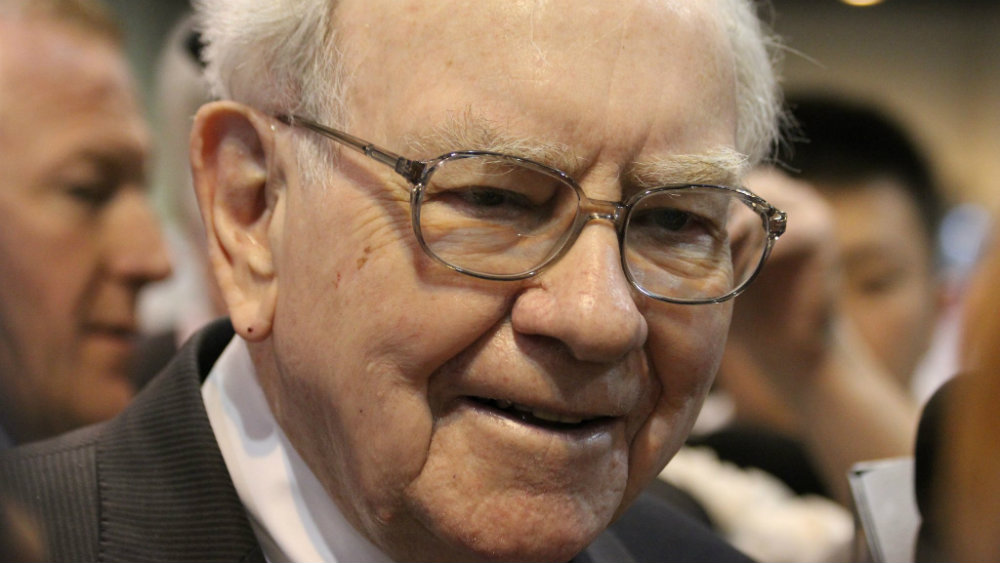
Image source: The Motley Fool
Warren Buffett has not lost his touch
When the market crashed and bottomed out in March, many people began buying up high-quality stocks that were trading for a discount. Investors who revere Buffett looked at the Oracle of Omaha in confusion as he refused to make any substantial moves with his massive cash pile amid the downturn.
Warren Buffett has led his company, Berkshire Hathaway (NYSE: BRK.A)(NYSE: BRK.B) to enormous heights. In the last 55 years, he has led to the increase of the company’s compounded annual returns by 20.3%. In his most recent reports, Buffett revealed that the cash he has on hand grew from US$137.2 billion at the end of March to a record-breaking US$146.6 billion as of June 30, 2020.
Despite the drastic decline inequities, the growing cash on hand suggests that Buffett is adamant that the current valuation is still not as attractive as it can be. Buffett is a firm believer in buying and holding assets for the long run. His refusal to go all-out with his cash hoard is a sign that there will be another market crash and that investors should begin preparing their portfolios.
Protect your capital
Buffett has not outright stated that he believes another market crash is imminent. Buffett recently made acquisitions with an insignificant portion of his cash pile, but he’s saving the rest for when things become far worse. It would be best if you reallocate some of your portfolio to more defensive assets.
When it comes to market crash-proof equities, utilities are an ideal way to go. Utility companies can continue to generate stable revenue despite economic hardships due to the essential services they provide. If you want to increase your position in utilities, I would advise considering the utility company on its way to become a dividend king: Fortis Inc. (TSX: FTS)(NYSE: FTS).
Fortis was also caught amid the sell-off frenzy and saw a decline in its share prices. Since its March bottom, the stock has recovered 27.70%, and it continues to report excellent earnings despite the rough economic times. Fortis will not change its aggressive capital plan designed to expand its rate base in the next few years. It continues to pay its shareholders their dividends with annual increases.
By the middle of the decade, Fortis plans to continue its dividend growth streak to 50 years to become a Canadian Dividend King.
Foolish takeaway
I can’t predict when the next market crash will happen. Neither can Warren Buffett. However, we can use the indications determine whether it is safe to go all-out with our investment capital or to allocate it to defensive assets and protect from a period of decline. If you believe Buffett knows something we don’t, you might want to take a defensive stance with your portfolio and invest in a stock like Fortis.