An average Canadian household spends between $140 and $175 on the electricity bill. The inflation rate crossed 7% in May, but the average inflation is around 2-3% every year. Energy prices and rent are the major contributors to inflation. What if there was a way to take away the burden of one of these bills from you? Wouldn’t it be nice if electricity could pay for itself?

Image source: Getty Images
Make your electricity bill pay for itself
Do you know utility and energy stocks are some of the biggest dividend aristocrats trading on the TSX? They earn regular cash flow from the utility bills you pay. They use a portion of this cash flow to build and maintain energy infrastructure and a portion of it to pay dividends to shareholders. This cash flow keeps growing at a marginal rate as energy prices rise and energy infrastructure reaches more customers. Higher cash flows increase the dollar amount of dividends as well.
You can leverage this cash flow cycle and use dividends to pay your energy bills by investing in utility stocks. I have identified three dividend stocks for your electricity bill fund:
- Enbridge (TSX:ENB)(NYSE:ENB) – 6.2%
- Canadian Utilities (TSX:CU) – 4.5%
- Algonquin Power & Utilities (TSX:AQN)(NYSE:AQN) – 5.4%
Energy stocks
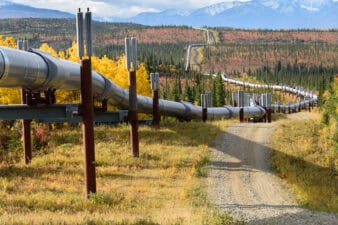
Enbridge transmits oil and natural gas through its pipeline that connects Canada to the United States. It already has the largest pipeline infrastructure, and many of these pipelines are paid off. The energy supplier invests in the maintenance and repair of older pipelines and building new ones. Enbridge has a diversified income stream. Its high exposure to natural gas helped it withstand the 2020 demand crash in oil. At the same time, its exposure to oil helped it make the most of the oil supply crunch in 2022.
Enbridge is investing in wind and solar, but it is a small portion of its business. It is the demand volume that drives Enbridge’s toll money, which the company then distributes as dividends. It has been paying dividends for over 60 years and growing them at an average annual rate of 10% for 27 years. However, this growth rate has slowed to 3% since the pandemic. But it has maintained an average dividend yield of over 6%, making it a good fit for your electricity bill fund.
Utility stocks
Canadian Utilities has a diversified global energy infrastructure of utilities, energy, and retail. It generates and transmits natural gas and electricity and retails it to households. This integrated solution helps it earn regular cash flow and keep costs down. Your power and natural gas bills are one of the sources of cash flow that have helped Canadian Utilities grow dividends for 50 years. Its dividend has surged at a compounded annual growth rate (CAGR) of 8% in the last 10 years.
Algonquin Power & Utilities is a power and water utility that diversifies its portfolio across wind, solar, and hydropower plants. It is a relatively new company in the utility business that has been growing dividends at a CAGR of 22% since 2009. However, the growth rate has reduced to 10% in the last two years. On one side, you pay utility bills as a customer, and on the other, you get dividends as a shareholder.
How will the three dividend stocks pay your electricity bill?
If your current electricity bill is $175 a month, it could increase to $228.30 a month by 2032, growing at an average annual rate of 3%. The above three dividend stocks pay an average dividend yield of 5.3%. If you invest $100 weekly for the next 10 years in the above three stocks, they could fetch you $230 per month in dividend income by 2032. This is a conservative estimate. It assumes the three utilities continue paying regular stable dividends without dividend growth.
After 10 years, your $52,000 investment could pay for your electricity bills for a lifetime and grow along with inflation. Make sure to invest through your Tax-Free Savings Account (TFSA) to save on dividend tax.