Energy stocks can feel tricky when the economy looks uncertain. Oil prices swing, costs rise, and investors get nervous fast. So if it were me, I’d look for Canadian names with strong assets, clear demand, and a reason to keep producing cash even if growth slows. One can come from traditional energy, and another can come from energy-transition materials. So let’s look at two very different ways to play Canada’s long-term energy story.
Source: Getty Images
IMO
Imperial Oil (TSX: IMO) is about as established as Canadian energy gets. The company produces oil, runs major oil sands assets, operates refineries, and sells fuel through well-known retail networks. That integrated model gives it a useful cushion. When one part of the business faces pressure, another can help offset it. Over the last year, IMO stock also leaned into cost control, production planning and shareholder returns, while keeping its focus on core assets such as Kearl, Cold Lake, and Syncrude.
The recent news came with a few bruises. In the first quarter of 2026, Imperial reported net income of $940 million, or $1.94 per share. That was down from $1.3 billion, or $2.52 per share, a year earlier. Refining disruptions and lower realized crude prices weighed on results. Shares also fell after the report, as investors reacted to missed profit expectations and weaker refinery throughput. Still, IMO stock returned $350 million to shareholders through dividends during the quarter and later kept its quarterly dividend at $0.87 per share.
The valuation still makes IMO stock interesting for a long-term buyer. IMO stock recently carried a market cap of about $86 billion and traded around 27 times earnings. That’s not a bargain-bin price, but IMO stock rarely looks cheap for long as the business has scale, deep assets, and a strong majority owner in Exxon Mobil. The risk is clear. Oil prices, refinery outages, and carbon policy can all pressure returns. Yet Imperial’s size and discipline make it a stock I’d feel comfortable holding through rougher markets.
TKO
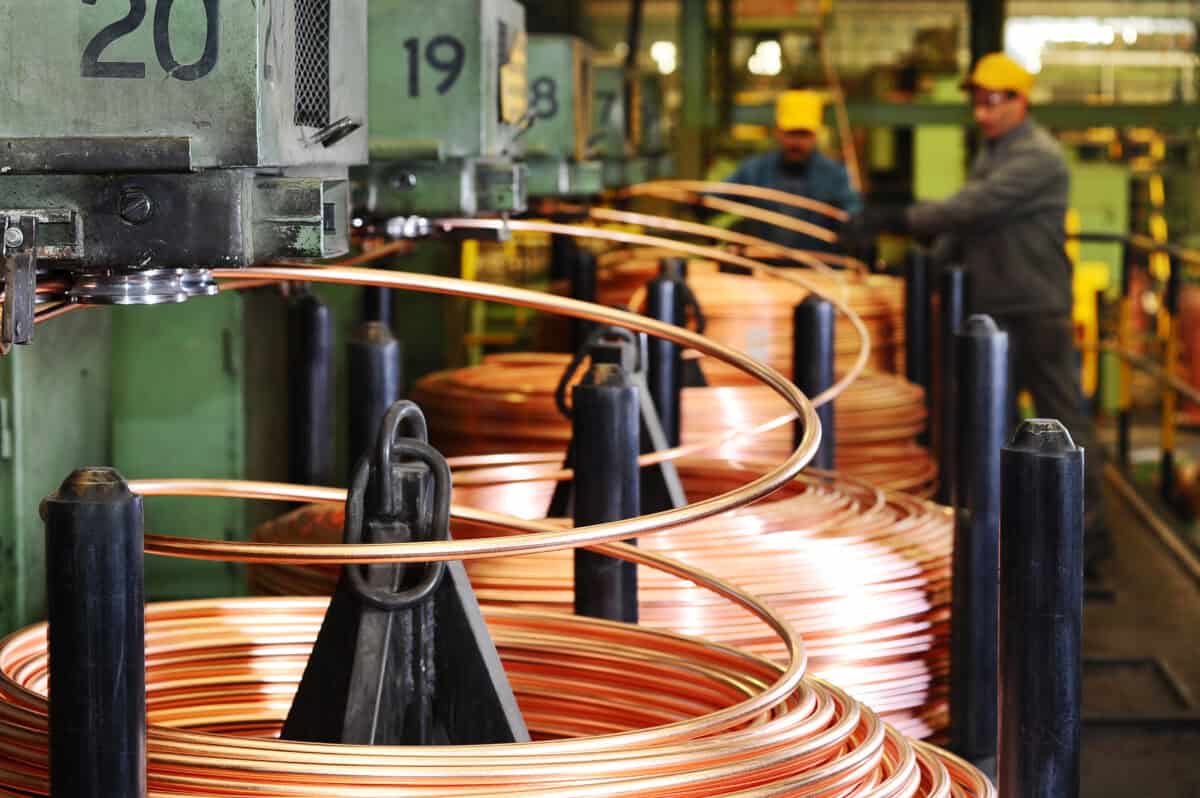
Taseko Mines (TSX: TKO) is a different kind of energy stock. It’s not an oil-and-gas producer. It’s a copper miner, which makes it more of an energy-transition play. Copper sits at the centre of electrification, power grids, electric vehicles, and renewable energy infrastructure. Taseko owns the Gibraltar mine in British Columbia and is ramping up Florence Copper in Arizona. That gives it exposure to a metal that could stay in demand for years.
The latest financial results available are from 2025, as Taseko plans to release first-quarter 2026 results after market close on May 6, 2026. For 2025, revenue reached $673 million from the sale of 99 million pounds of copper and 1.9 million pounds of molybdenum. Adjusted earnings before interest, taxes, depreciation and amortization (EBITDA) hit $230 million, though the company still recorded a net loss of $30 million. That mix tells the story well. Taseko has real operating strength, but also development costs, project ramp-up risk, and exposure to copper prices.
The fresh operational update looked encouraging. Gibraltar produced 30 million pounds of copper in the first quarter of 2026, up 50% from the same period in 2025. Florence also produced its first 1.5 million pounds of copper cathode. That’s a big step as Florence could give Taseko a lower-cost growth engine if it ramps up smoothly. The stock has already climbed, so the valuation now looks more demanding and leaves less room for disappointment. Diesel costs, permitting, financing, and copper price swings remain risks.
Bottom line
IMO stock offers the sturdy, cash-rich side of Canadian energy. Taseko offers the growthier copper angle tied to electrification. One looks built for income and resilience, the other looks built for long-term demand. I wouldn’t call either risk-free, but for investors who want to buy and hold through uncertainty, both bring something useful to the table.