For many Canadians, it’s more than worth it to own U.S. stocks at the core of your portfolio. Undoubtedly, for value, energy, financials (especially the big banks), and materials (think mining), there is perhaps no place that’s better than the Canadian stock market.
With more yield, on average, to be had, especially as the S&P 500 rockets to new highs while the dividend yield starts to compress towards the lower end, as well as no exposure to the looming AI IPO boom – which could be a source of tremendous volatility, especially if the likes of SpaceX, OpenAI, and Anthropic start things off with a multi-month drawdown right out of the gate – perhaps the TSX Index is great to stick with. But, of course, there isn’t as much tech and consumer exposure.
Source: Getty Images
Buying U.S. stocks is smart to diversify further
For that, you’ll need to go south of the border. The Magnificent Seven darlings still look like great buys, especially since most investors have been chasing the semiconductor names and the new high-flyers, which seemingly have the guarantee of a great seat to the AI revolution. But let’s not forget about the obvious plays that everyone owns, at least everyone who owns a piece of the S&P 500 or the tech-heavy Nasdaq 100.
Of course, there is the “small print” to consider when it comes to owning U.S. stocks as a Canadian in Canada. Of course, there’s the foreign exchange fee you’ll need to pay to convert your currency if you want to own U.S. stocks outright.
If you use Norbert’s Gambit, though, you can save yourself the FX fee, especially if you’re converting considerable sums to be invested in U.S. stocks. If possible, I’d strongly encourage using Norbert’s Gambit.
For those who are fine with an ETF, there are a slew of TSX Index-traded U.S. equity ETFs out there that don’t require an FX swap and, in some cases (this depends on your brokerage), commissions to trade.
Don’t forget about U.S. dividend withholding taxes
The big thing that Canadian investors might miss is that pesky 15% U.S. dividend withholding tax. It’s taken right off the top of the dividends before it reaches your account. And for something like the TFSA, that’s a real pain, especially if you’re invested in a U.S. dividend stock (yield north of 3% or so).
The TFSA won’t save you the 15%, either. So, when it comes to U.S. stocks, perhaps it’s more tax-efficient to opt for no dividends or very small dividends (sub-1%) when it comes to your TFSA. That’s not to say you shouldn’t own any U.S. stocks with dividends, though.
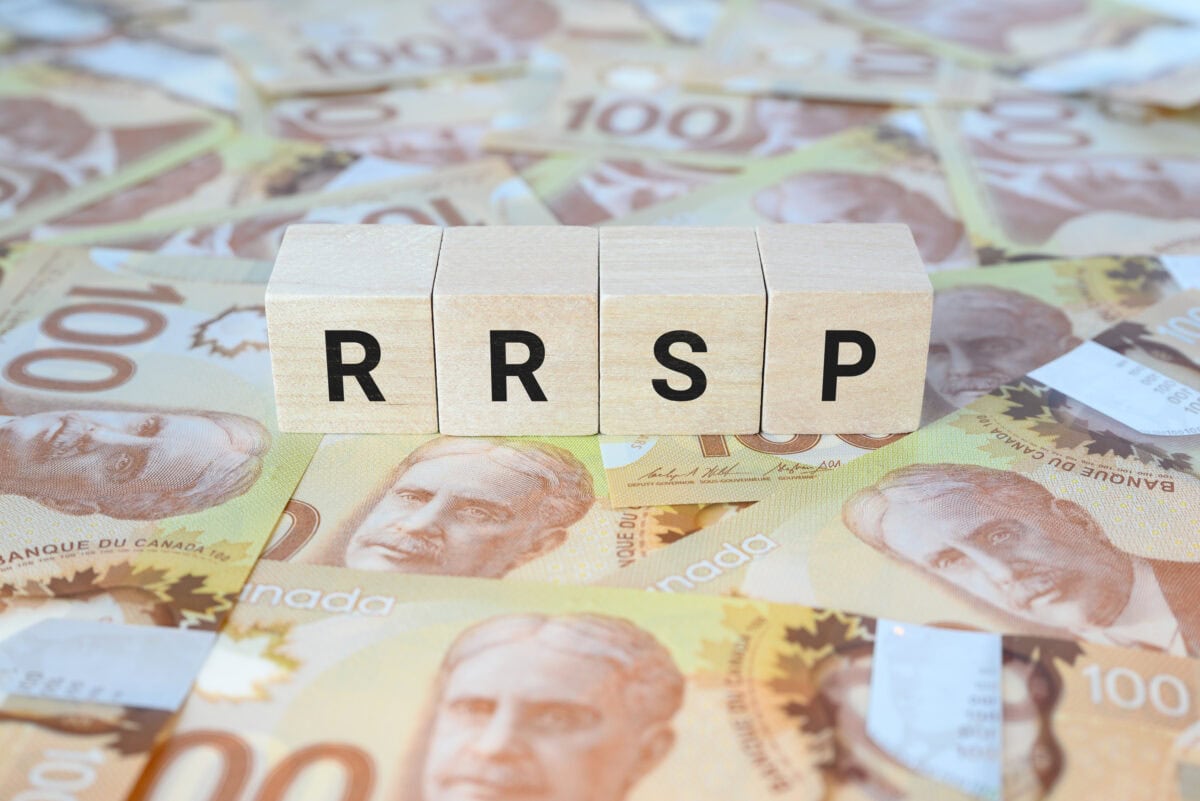
Your RRSP is actually the better fit for such names since the 15% withholding tax doesn’t apply. Of course, if you’re looking to index, you should opt for a U.S.-traded version of an S&P 500 ETF. Think the Vanguard S&P 500 (NYSEMKT: VOO) over a TSX-traded variant or “wrapper.” As an added bonus, the VOO has a far lower expense ratio, meaning you’ll pay even less in management fees!
Bottom line
Use the right account when looking to become tax efficient. Dividend-focused U.S. exposure? Think RRSP. Canadian stocks and low-to-no-yielding American stocks? A TFSA should do well. It’s worth thinking about tax efficiency, especially since every penny does matter when it comes to long-term compounding.
But, at the end of the day, a 15% withholding tax on a 1% yield means less, even in the grander scheme of things, if you’re prioritizing capital gains with your TFSA. Sometimes, tax efficiency isn’t the number-one thing to prioritize. So, all considered, understand the fine print and allocate across accounts accordingly!