Ongoing geopolitical and trade tensions, persistent inflation, and elevated bond yields have weighed on investor sentiment, increasing volatility across equity markets. Despite these headwinds, the S&P/TSX Composite Index has gained about 12.7% year-to-date and is up about 80% over the last three years.
Against this backdrop, Faraday Copper (TSX: FDY), an exploration company with operations primarily in Arizona, has significantly outperformed the broader market, delivering a return of approximately 697% over the past three years. The stock has also surged about 98.5% year-to-date, supported by exploration and drilling progress, a strengthening financial position, expansion initiatives, and rising copper prices.
With the stock having delivered such substantial gains, investors may wonder whether further upside remains. Let’s examine Faraday Copper’s second-quarter activities, exploration and drilling progress, and the broader copper outlook to assess its investment prospects following this impressive rally.
Source: Getty Images
Faraday’s performance this year
Faraday Copper remains in the resource-development stage and does not yet generate revenue, so external financing is critical to fund operations and exploration. During the first six months of the year, the company used $22.4 million in cash for operating activities and another $30.4 million for investing activities, while raising $106.7 million through financing activities. These expenditures contributed to a net loss of $23.8 million during the first two quarters. Nevertheless, Faraday ended the second quarter with $94.2 million in cash and cash equivalents and net working capital of approximately $119.7 million. Based on its current liquidity position, the company appears adequately funded to support its planned operations and exploration activities over the next 12 months.
Meanwhile, drilling across the company’s Copper Creek project’s four stages continues to deliver encouraging results, enhancing Faraday’s understanding of its mineral resource potential. The company’s 2023 Mineral Resource Estimate (MRE) identifies copper as the primary commodity, with molybdenum and silver recognized as byproducts. Faraday is also evaluating its resource areas for the potential inclusion of gold in future MRE updates. Further exploration success could expand its resource base and enhance the project’s long-term economic potential.
Outlook of copper
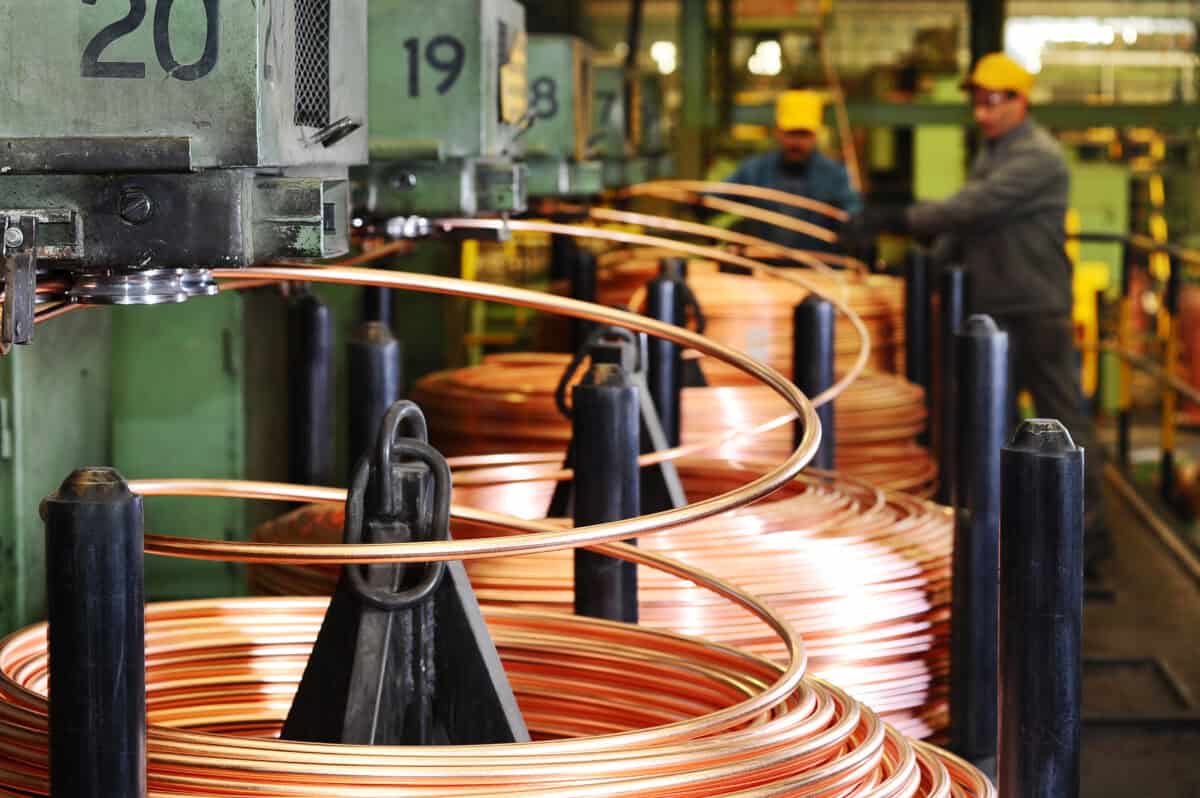
Copper prices have risen more than 40% over the past 12 months, supported by supply disruptions following major mine accidents in Indonesia and the Democratic Republic of the Congo, declining production in Chile, and robust demand from electric-vehicle adoption and large-scale grid investments to support AI data centres. The outlook for copper also remains constructive, with analysts pointing to emerging structural supply deficits and accelerating demand. If these trends persist, copper prices could remain elevated over the near to medium term, potentially creating a favourable backdrop for future copper producers such as Faraday Copper.
Meanwhile, Faraday is advancing plans to acquire the San Manuel Property, which is adjacent to its Copper Creek Project, from BHP Group. As part of the proposed transaction, BHP would acquire a 30% stake in Faraday, while management expects to complete the deal by the end of the current quarter. The acquisition could expand Faraday’s resource base and strengthen the strategic position of its Copper Creek project. With a supportive copper-price environment, continued exploration progress, and efforts to advance toward eventual production, Faraday appears to have several potential catalysts for long-term growth.
Investors’ takeaway
Faraday Copper remains in the resource-development stage and does not yet generate revenue, while its share price has surged approximately 700% over the past three years. This substantial rally, combined with the company’s pre-production status, makes the stock a higher-risk investment and leaves it more sensitive to changes in copper prices, exploration outcomes, and financing conditions.
However, Faraday’s investment case is supported by several strengths, including a favourable copper-price environment, approximately 4.2 billion pounds of measured and indicated copper resources, a solid financial position, and backing from the Lundin family and BHP. Continued exploration and development progress at its Copper Creek project could further enhance the value of its resource base. Given these potential catalysts, Faraday could appeal to long-term investors who are comfortable with the higher risks associated with an early-stage mining company.