Canadians use the Tax-Free Savings Account (TFSA) to meet short- and long-term financial goals, including retirement. Eligible account holders receive annual contribution room, which they can use to maximize their tax-free investment growth.
While not everyone can afford to contribute the maximum amount each year, maxing out your TFSA is a significant financial achievement. More importantly, it marks the beginning of the next phase of your wealth-building journey. However, it leaves one crucial question: where should your next dollar go?
Source: Getty Images
Set up forced savings via your RRSP
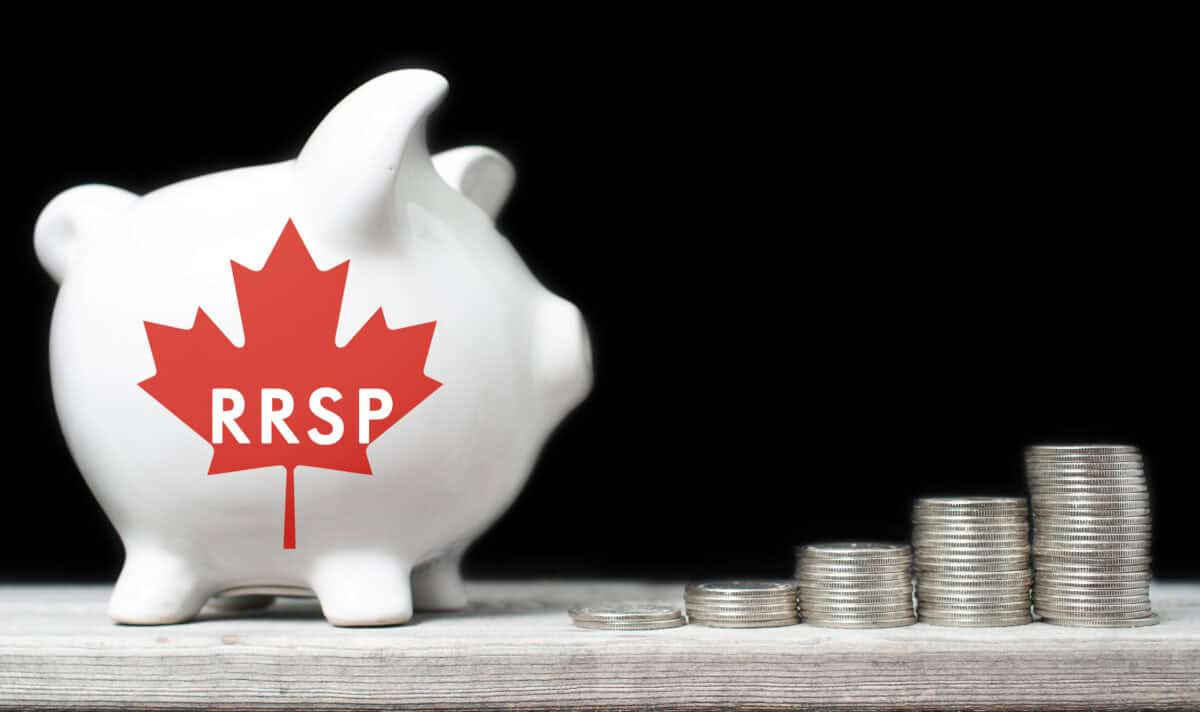
Once your TFSA is maxed, consider setting up forced savings through your Registered Retirement Savings Plan (RRSP). This tax-deferred investment account is the next logical home for your dollars. RRSP contributions generate immediate, upfront tax deductions. They lower your taxable income for the year and let investments compound tax-deferred until withdrawn.
Most RRSP withdrawals happen during retirement when your income tax bracket is lower. Meanwhile, your contributions or “forced savings” build a growing retirement fund. You can choose to reinvest your tax refund in your RRSP or allocate it to next year’s fresh TFSA contribution room.
Anchor your accounts with TSX’s dividend pioneer
Your TFSA and RRSP are complementary, not competing, tax-advantaged accounts. Both are integral components of a comprehensive Canadian retirement plan. The accounts also share identical eligible investment options. Dividend stocks, in particular, deliver higher returns and drive long-term total returns.
Bank of Montreal (TSX: BMO) is an ideal anchor for either account. Canada’s oldest bank is TSX’s dividend pioneer. The Big Six bank has been paying dividends since 1829, an incredible 197-year dividend track record. With BMO, you can leverage compounding, create a solid nest egg, and receive pension-like income in retirement.
The nearly 200-year payout consistency, inclusive of two World Wars and several financial crises in contemporary times, gives TFSA and RRSP investors deep confidence to invest in Canada’s third-largest financial institution ($170.8 billion market cap). The mid-to-high 13% Common Equity Tier 1 (CET1) ratio provides a defensive buffer against economic downturns. Also, the acquisition of Bank of the West has significantly expanded BMO’s footprint in the United States, especially in high-growth markets.
Darryl White, CEO of BMO Financial Group, said the improvement in credit performance so far in fiscal 2026 reflected proactive risk management and a well-diversified portfolio. In the nine months ended July 31, 2026, net income rose 7% year-over-year to $6.9 billion, while provision for credit losses (PCL) dropped 22.9% to $2.2 billion from a year ago.
BMO currently trades at $245.21 per share, up 41.8% year to date. If you invest today, the dividend yield is 2.8%. You can rest easy with your TFSA and RRSP contributions.
Other concrete actions you can take.
Once you have maximized your TFSA contribution room – and done the same with your RRSP – allow your tax-efficient portfolio to compound over time to protect and grow your wealth. The next rational step is to manage discretionary spending. Better yet, direct any surplus cash flow toward building an emergency fund or paying off high-interest credit cards and non-mortgage debt. These actions keep your base foundation secure while you work toward long-term financial freedom.