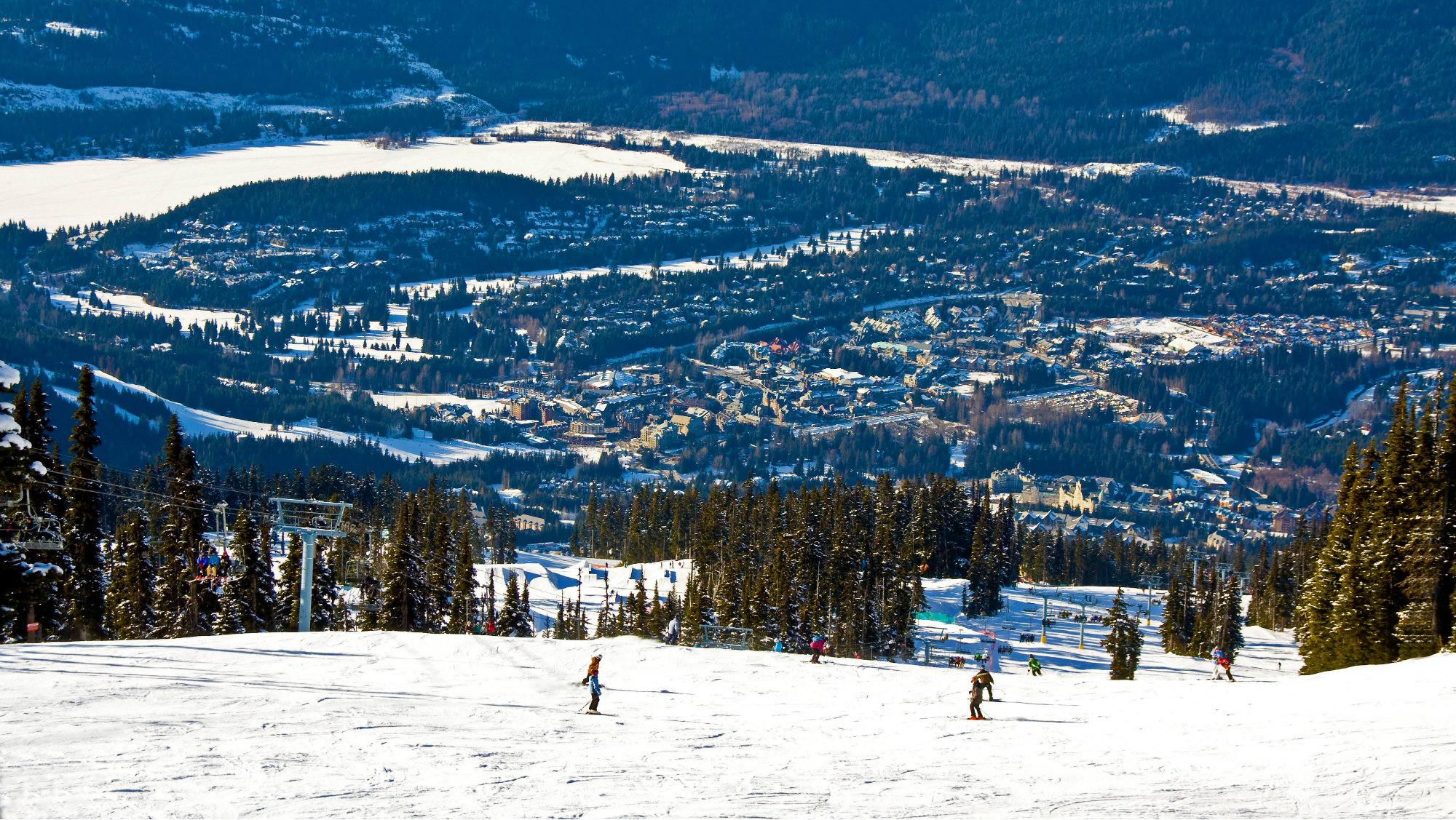
In June, Fool contributor Joseph Solitro, a self-admitted value investor, included Whistler Blackcomb Holdings Inc. (TSX:WB) in a list of four stocks he felt were cheap. With four months until the ski season takes off in earnest, I believe the argument still stands with these three reasons at the top of the list why investors should consider owning its stock.
Long-term plan to increase revenue
The company, which owns 75% of each of the two partnerships that run Whistler and Blackcomb mountains, has a long-term strategic plan to increase revenues outside the key months of November through April. Spending $345 million over three phases, Whistler Blackcomb hopes to seriously increase year-round visitation to the resort. It’s the largest investment in the company’s history.
To that end, phase one will include spending up to $100 million on several different initiatives, including the building of a 163,000 square-foot water park at the base of Whistler Mountain with water slides, a wave pool, rock climbing, etc. That’s especially good news for non-skiing visitors to Whistler.
Phases two and three will involve the company investing up to $245 million to completely change the Whistler Blackcomb experience, including adding the Blackcomb Adventure Park–an action sports complex for skateboarders and BMX riders–and adding as many as 65 ski-in townhomes as well as a luxury boutique hotel. The revitalization of Blackcomb’s base is the first in 30 years.
Depending on the pace of construction, approvals for phases one and two will be completed in four to five years with phase three sometime after that.
With its reputation comes pricing power
There aren’t many mountain resorts like Whistler when it comes to skiing. Averaging 1,163 centimetres of snowfall annually, it gets more than the big Colorado hills such Vail and Aspen. The combination of snowfall, skiable acres, and vertical drop are three big reasons why Ski Magazine generally ranks it the number one overall ski resort in North America.
With its reputation comes pricing power. Since the Vancouver Winter Olympics in 2010, its effective ticket price has increased 5% annually with revenue per visit increasing 6%. Its customer base is extremely diverse with 25% from Europe, 31% flying from the U.S., 21% flying from Canada, and 23% from other countries and those driving from Canada and the U.S.
Approximately 40% of its annual revenue is generated by December 31 or the end of the first quarter. With the successful implementation of its Renaissance long-term strategic plan over the next five to seven years, it’s got a real opportunity to grow summer revenues beyond 15% overall.
Its stock has doubled
Whistler Blackcomb went public in November 2010 at $12 per share. Since then its stock has doubled through July 25. Back when it IPO’d it paid an annual dividend of 87 cents, which translated into an annualized yield of 8.1%. Today, it pays 97 cents annually with a current 3.9% yield.
Given the consistency of its revenues, income investors can rest comfortably knowing that most of the dividends paid out each year have been earned by the time the calendar turns. With the move to expand both its summer business and the revenue generated in its peak winter business, you can expect its dividend to push through the dollar mark before too long.
In many ways, its stock makes more sense for income investors than it does for those looking for capital appreciation. However, if it succeeds in its three-phase plan, you’ll get that too.