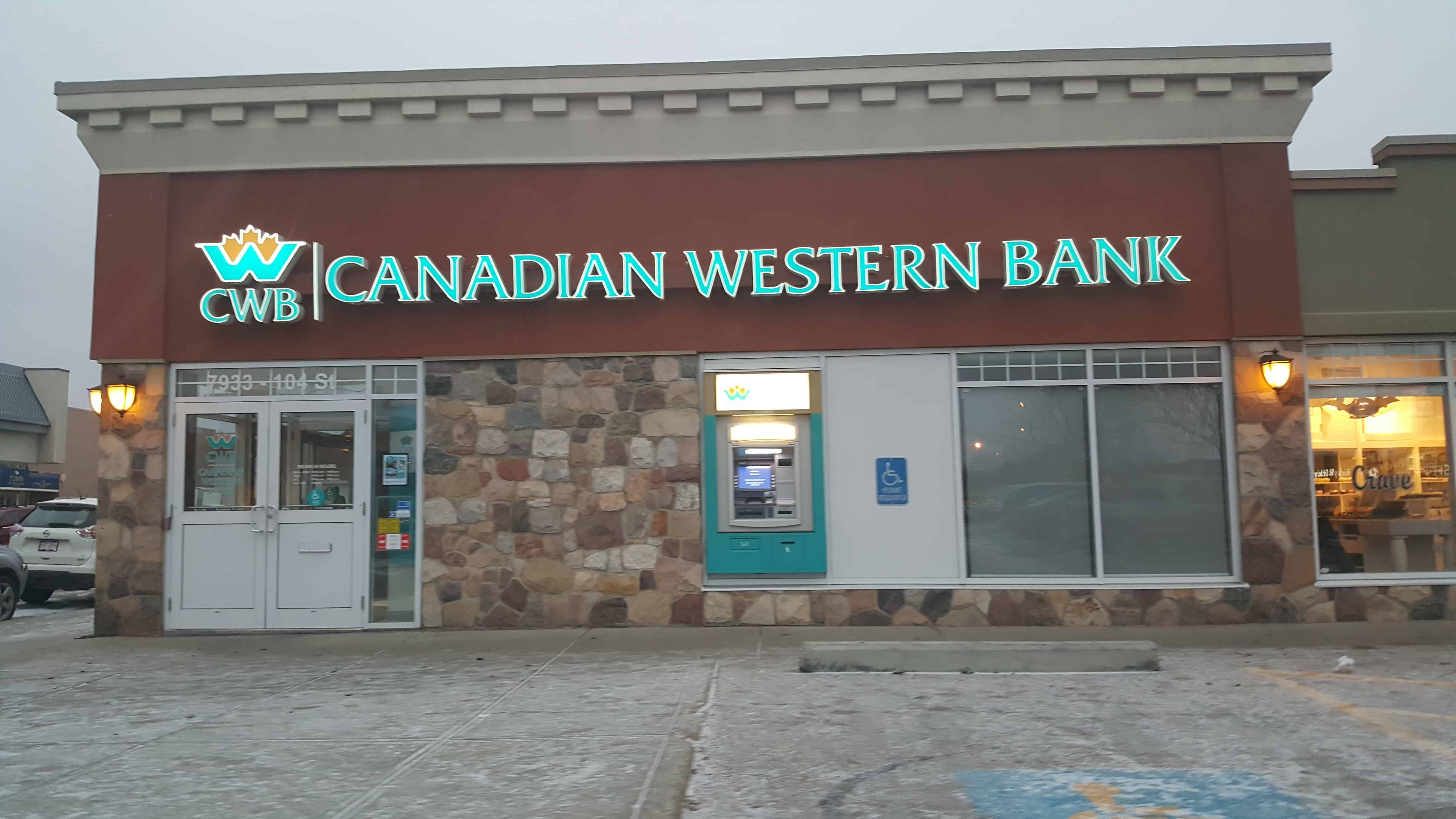
Alternative lending is typically a category reserved for a few select leaders in the Canadian high-risk lending sector, namely Home Capital Group Inc. (TSX:HCG) and Equitable Group Inc. (TSX:EQB). What many investors don’t know is that regional lenders such as Canadian Western Bank (TSX:CWB) also have a significant alternative lending portfolio, one which is expected to grow over the coming year due to the decline (and possible exit) of rival Home Capital.
Loan quality aside (with loan-loss provisions for most alternative lenders still sitting at a fraction of 1%, which boggles my mind), the reality is that given the current overheated markets in Toronto and Vancouver, alternative lenders will likely be the first to take a hit should the market go south.
Let’s take a look at how exposed Canadian Western Bank really is, and try to quantify what sort of exposure Canadian Western Bank investors have to this sector.
Alternative lending portfolio
Canadian Western Bank estimates that its “Optimum” business segment has increased 18% year over year in the second quarter of 2017 based on increasing loan origination for alternative mortgages. This portfolio exists to serve the needs of a very similar clientele to that of other alternative Canadian lenders: new homebuyers, immigrants, the self-employed, or otherwise “non-prime” borrowers traditional banks do not wish to serve.
While the Optimum portfolio totals only 11% of Canadian Western Bank’s total loan exposure, this segment is significant in that it represents one of the fastest-growing loan segments — a segment with a much riskier pool of loans with loan-to-value ratios exceeding 68% compared to a much lower LTV ratio of its traditional commercial and residential lending portfolios.
The geographic makeup of the bank’s customer base is also something to note. Currently, more than 50% of the bank’s optimum loans are generated in Ontario (primarily in Toronto) with 21% of originations taking place in Alberta and 17% in B.C.
With economists from around the world noting that some of the largest housing bubbles globally currently exist in the Vancouver and Toronto markets, and the oil market decline still hampering the economic prospects of Alberta, it appears that CWB’s exposure to all of the riskiest elements of the Canadian economy put it at a disadvantage compared to the larger, more diversified Canadian banks.
Provision for credit losses concerning
One thing which has stood out to me specifically with the balance sheet of alternative lenders such as Home Capital and Equitable, and now Canadian Western Bank, is the existence of unrealistically low loan-loss provisions.
I have written about these loan-loss provisions ad nauseam for both Home Capital and Equitable; however, it appears that Canadian Western Bank is playing a very similar game.
In the bank’s Q2 2017 financial statements, it notes that impaired loans totaled 0.62% of total loans this past quarter, yet the company has posted an average loan-loss provision of 0.26%, or 26 basis points on a year-to-date basis.
In the earnings release, the lender noted, “management expects periodic further increases in the balance of impaired loans across the portfolio,” while stating “the full-year provision is expected to fall toward the lower end of a range between 25 and 35 basis points.”
The math just doesn’t add up.
Bottom line
As a long-term investor taking a very bearish perspective on the Canadian oil and gas and real estate industries, I am very concerned about Canadian Western Bank’s prospects moving forward. Investors should take extreme caution with this name, given the economic headwinds and huge downside potential with this bank.
Stay Foolish, my friends.