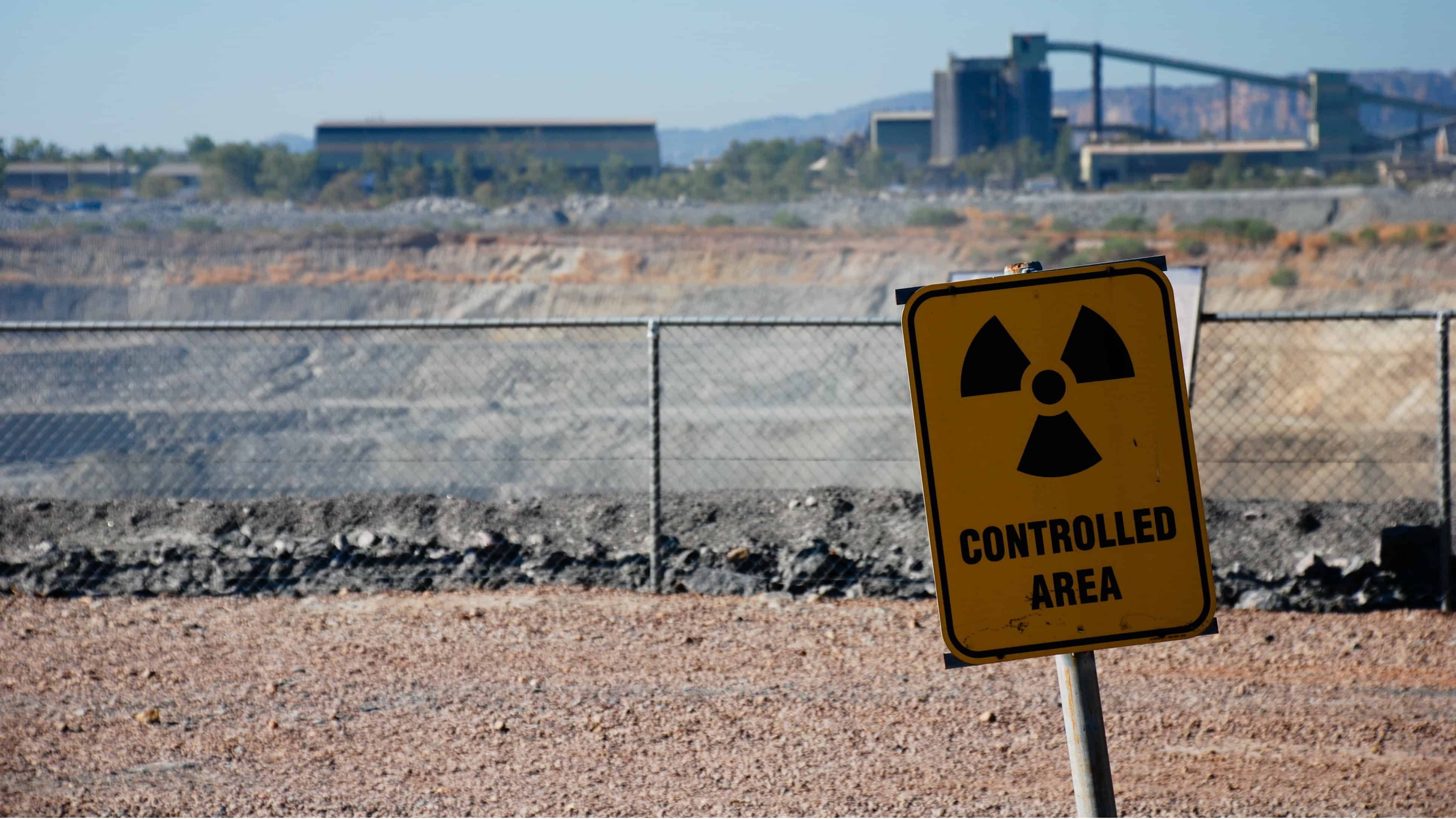
The outlook for uranium remains upbeat, despite the radioactive metal’s prolonged slump since Japan’s Fukushima nuclear disaster in 2011. Much of the optimism surrounding uranium is based on the view the supplies will become increasingly constrained over the next year, while demand will grow because of the number of reactors currently under construction.
It is this buoyant view of uranium’s future that gave the world’s largest publicly traded uranium miner, Cameco Corp. (TSX:CCO)(NYSE:CCJ), a healthy bump with it rising by 21% over the last month. This, along with calls that uranium has reached a cyclical low, has led to claims that Cameco is an attractive investment. While there are signs that uranium could enjoy a short-term rally, it unlikely to be sustainable over the long term, and, for a variety of reasons, the radioactive metal could be in a terminal decline.
Now what?
The main threat to a sustained rally in uranium, which would be enough to give Cameco’s earnings and stock a solid lift, is the increasing unpopularity of nuclear power.
You see, the Fukushima disaster, which was the largest nuclear disaster since Chernobyl in 1986, reminded many of the danger posed by nuclear energy. While there were no deaths attributable to acute radiation, there are still fears that the leakage of fissile material has caused irreparable environmental damage. This highlights the risks associated with nuclear power in the event of catastrophic failure and has been a key reason for it falling into disrepute.
There are also the exceptionally high costs and risks associated with disposing nuclear waste, which can pose a serious environmental threat for decades.
According to the U.S. Nuclear Regulatory Commission, high-level nuclear waste, such as a spent fuel assembly, produces 20 times the fatal dose of radiation for humans, even 10 years after being removed from a reactor.
Another key issue is that alternative clean renewable sources of power have been becoming more reliable and less costly per megawatt hour produced.
In fact, solar, wind, geothermal, and biomass power all produce electricity at a lower cost than nuclear power.
Meanwhile, natural gas, which has become the interim fuel of choice for electricity generation because of its low emissions, is also cheaper and can, like nuclear power, reliably produce what is known as base-load power, which has been one of the frequent criticisms of renewables.
These forms of electricity generation do not pose the same risks as nuclear power, including massive environmental damage should they suffer from catastrophic failure. The secular trend to renewable energy is a significant headwind for nuclear power, the long-term outlook for uranium, and the fortunes of Cameco.
While the World Nuclear Association claims there are 60 reactors currently under construction, most of those reactors will only replace the installed capacity of obsolete reactors that are being mothballed. This means even once they commence operations, which could take decades, there will be no sharp uptick in the demand for uranium.
So what?
The positive outlook surrounding uranium appears overdone. Much of the recent optimism was sparked by Cameco’s decision to suspend operations at its McArthur River mine, which is responsible for roughly 11% of global production. According to analysts, this, along with a lack of investment in new projects, will magnify emerging supply constraints and boost prices, particularly as demand rises over the long term.
Nonetheless, it is difficult to see any catalysts for higher uranium emerging. That is bad news for Cameco, which, for the third quarter 2017, reported a net loss of $124 million — its fourth consecutive quarterly net loss. The poor outlook for uranium means that any improvement is unlikely for the foreseeable future, meaning that Cameco is shaping up as a classic value trap.