Shares of Suncor Energy Inc. (TSX: SU)(NYSE: SU) popped higher after Warren Buffett’s Berkshire Hathaway Inc. (NYSE: BRK-A)(NYSE: BRK-B) revealed its stake on February 14. Buffett’s company now owns nearly 1% of the Suncor’s shares, representing a stake of more than $500 million.
It’s a surprising move from an investor that has been spurned by energy investments in the past, notably his failed bet on ConocoPhillips. Still, Buffett knows Suncor well. He bought shares in 2013 only to sell them three years later for around the same price.
What does Buffett see in Suncor this time?
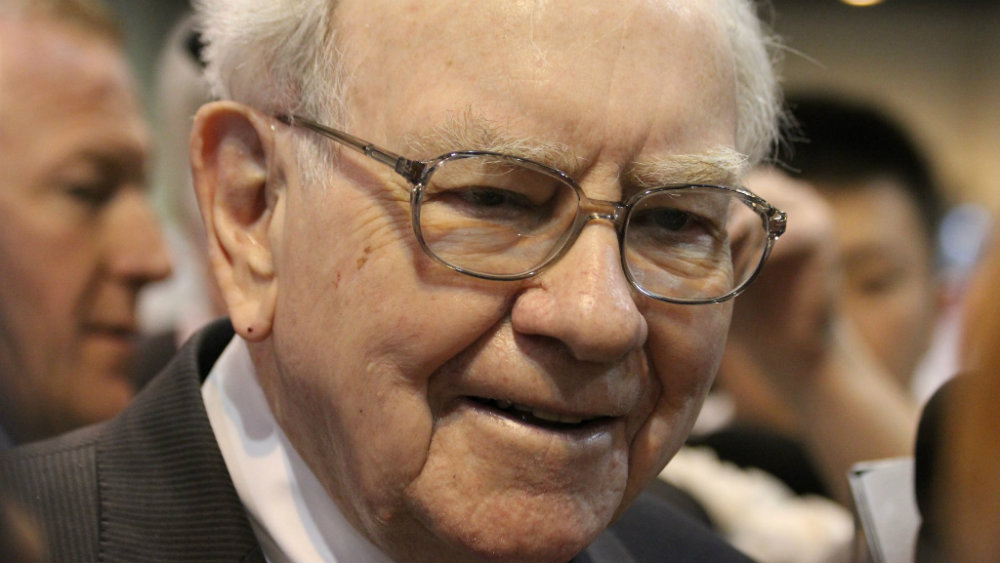
Image source: The Motley Fool
Catching a falling knife
Canadian energy stocks have been crushed in recent months. The issues are multi-fold.
First, dozens of companies are facing structural limitations that could hinder revenue growth for years. With burgeoning regional oil production, Canadian companies are overloading pipeline capacity.
While crude-by-rail is helping stem some of the transportation issues, the market is cognizant that these pressures could last through 2020 and beyond. As I wrote in January, building new pipelines “will take years.”
Additionally, major oil companies are now promoting US$15 per barrel extraction costs across many parts of the U.S. Already, much of Canada’s oil production was lower-quality versus its American peers, causing it to trade at a 10% to 30% discount.
If companies like Exxon Mobil, Chevron, and Royal Dutch Shell can really hit the US$15 per barrel price point—hitherto only possible in oil-rich countries like Saudi Arabia—all bets are off on pricier projects in Canada.
Due to these concerns, Suncor stock fell from $55 per share in July to just $35 per share in December. Prices have rebounded a bit, but Buffett is clearly betting that he’s buying low following the steep sell-off.
Should you follow Buffett?
Over the years it has been a losing proposition to bet against Warren Buffett. Still, it’s possible that this time is different.
Large holding companies like Berkshire Hathaway make bets for all types of reasons. Additionally, it’s not clear that Buffett himself made this investment. Over the past decade, he has slowly ceded chunks of his portfolio to other investment managers. While these managers are no doubt also gifted, their strategies are less understood.
Buffett, for example, has a well-entrenched style of buy-and-hold investing. His new managers, on the other hand, have proven more creative. It’s possible that the investment in Suncor is simply a hedge against other bets in the portfolio, which would make Berkshire’s Suncor investment a method to mitigate risk, not profit from its potential upside.
Long-term, it’s difficult seeing Suncor as a permanent position in Berkshire’s portfolio, akin to stocks like American Express Company, Wells Fargo & Co, or The Coca-Cola Co.
Unless oil prices can sustain long-term pricing above US$70 per barrel, oil sands companies like Suncor will find it difficult to turn a profit. On a cash basis, many oil sands projects have breakeven levels above US$40 or US$50 per barrel. Adding corporate, exploration, and debt costs make the math difficult to justify.
Perhaps Buffett is a huge oil bull, but I’d wager that the investment in Suncor represents just a piece of a wider bet. Only by knowing the other pieces of the bet could investors follow Berkshire’s lead.
If you think you’re betting alongside Buffett by buying Suncor stock, I’d think again.