Billionaire investor Warren Buffett is back in the headlines due to his investment activities lately. One intriguing move was letting go of one of his only two Canadian stock holdings. Does it send a sell signal to Canadians?
His conglomerate Berkshire Hathaway sold its entire stake in Restaurant Brands International (TSX:QSR)(NYSE:QSR) and kept Suncor Energy (TSX:SU)(NYSE:SU). The restaurant stock and energy stock have contrasting performances in the pandemic, and Buffett chose to dump the better performer.
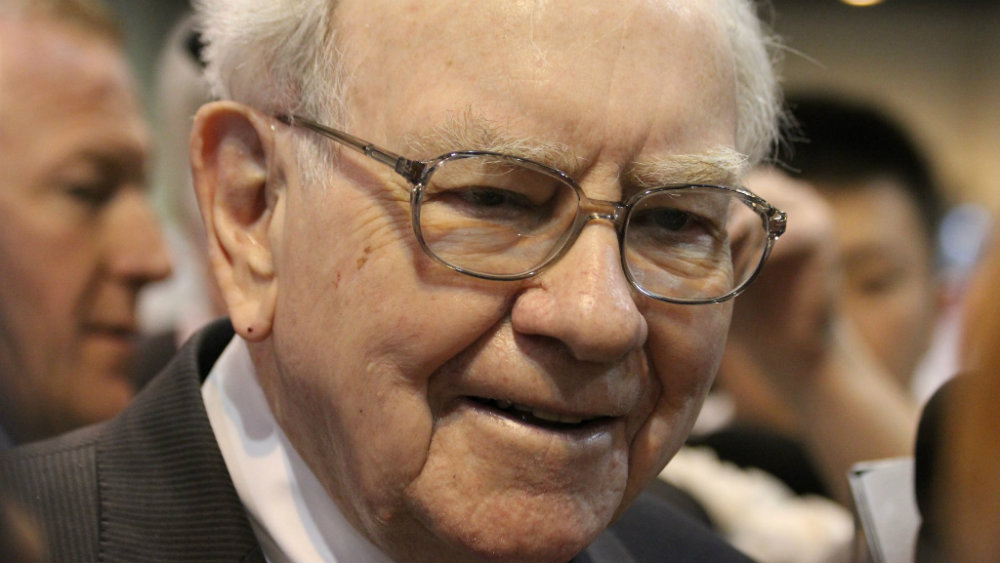
Image source: The Motley Fool
Questionable move
Will the owner of fast-food chains Tim Hortons, Burger King, and Popeyes be in turmoil after Buffett ditched the stock? The sale did not rattle investors in the restaurant stock. Perhaps to them it was a questionable decision. Restaurant Brands International is making great strides and recovering remarkably from the COVID-19 shock.
It was also quite contrary to another billionaire investor. Bill Ackman, the owner of Pershing Square Holdings, reworked his stock portfolio by dropping Berkshire Hathaway and retaining Restaurant Brands International. As of the second quarter of 2020, Ackman’s stake in the Canadian stock is US$1.3 billion.
The company reopened more than 4,500 restaurants in the second quarter of 2020, about 93% of its network. However, total revenue ($1.04 billion) and net income ($163 million) for the quarter ended June 30, 2020, fell 25% and 36%, respectively. RBI is planning to shut down underperforming locations to boost liquidity.
Shattered record
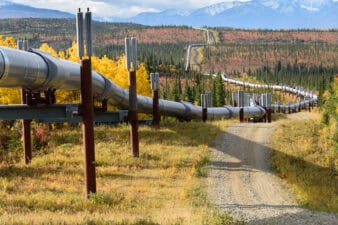
The most recent 13F filings of Berkshire Hathaway with the SEC show Buffett’s investment firm increased its stake in Suncor Energy, Canada’s energy infrastructure giant and oil sands king. As of June 30, 2020, Berkshire holds 19.94 million shares of the bellwether energy stock versus 14.94 million shares at the end of March 2020.
In February 2020, Suncor raised its dividend by 10.7% to post a record 18 consecutive years of dividend increases. However, when COVID-19 struck, the feat was immediately shattered. Energy stocks took a severe beating from global lockdowns and a price war between Saudi Arabia and Russia. Crude oil prices plunged due to oversupply. Buffett describes it as a one-two punch.
The crisis was a threat to Suncor’s short-term liquidity position, so management thought it prudent to implement a 55% dividend cut. As of this writing, the market capitalization is $32.66 billion, while the dividend yield is down to 3.83%.
Endorsements
Both Restaurant Brands and Suncor Energy are underperforming in the stock market. The restaurant stock is down 11.47% year to date, while the energy stock is struggling with its 48.6% loss. On March 18, 2020, the QSR bottomed to $40.64 but has risen 77.52% to its current price of $71.72.
Suncor fell to $15.07 during the market selloff in March and is trading at $21.42 or recovery of 42.13%. People are curious why Warren Buffett increased its holding in the energy infrastructure giant, despite the dividend cut. Furthermore, the GOAT (greatest of all time) of investing favours cash cows, which Suncor is not at present.
Last, Buffett found a safety net in the TSX. By taking a position in Barrick Gold (20.92 million shares), the Oracle of Omaha has a pair of Canadian stocks again. Investors might buy more of Suncor and the gold stock.